Many individuals considering martial arts often wonder how to achieve rapid progress. Whether you’re a beginner or a parent looking for a structured program for your child, the journey to mastering martial arts can be exciting yet daunting. The good news is that there are key strategies that can help accelerate your development and enhance your experience. Let’s explore the essential elements that can lead to rapid progress in martial arts, along with practical steps to help you or your child thrive in this rewarding discipline.
Understanding Common Challenges
Before diving into strategies, it’s important to recognize some common challenges that might slow down progress:
- Lack of confidence in skills or techniques
- Difficulty in maintaining focus during training
- Inconsistent practice or attendance
- Struggles with self-discipline and motivation
- Fear of injury or insecurity in a new environment
These challenges are not uncommon, especially for beginners. Understanding them is the first step toward overcoming them. Many students and parents find that training in a supportive and structured environment can make a lasting difference. When you have the right guidance, your path to mastering martial arts can become much clearer.
The Root Causes of Slow Progress
One of the root causes of slow progress in martial arts often stems from a lack of a structured approach. Without a clear plan, it can be easy to lose motivation or feel overwhelmed. Additionally, the absence of consistent practice can lead to stagnation. A well-structured martial arts program can provide the consistency and guidance most people are looking for, allowing for steady growth and improvement.
Strategies for Rapid Progress
Here are several strategies that can help accelerate your martial arts journey:
- Set Clear Goals: Identify what you want to achieve. Whether it’s mastering a specific technique or preparing for a belt test, having clear goals can guide your training.
- Regular Practice: Consistency is key in martial arts. Aim to train multiple times a week to build muscle memory and refine your skills.
- Find a Mentor: A qualified instructor can provide personalized feedback, helping you improve faster than if you were training alone.
- Stay Open to Feedback: Constructive criticism is essential for growth. Embrace feedback from instructors and peers to enhance your techniques.
- Engage with the Community: Surrounding yourself with other students can provide motivation and support. Many families find that training with others makes the experience more enjoyable.
A Step-by-Step Guide to Getting Started
If you’re ready to embark on your martial arts journey, here’s a simple step-by-step guide to get you started:
- Research Local Schools: Look for martial arts schools in your area that offer programs suitable for your age and skill level.
- Visit Classes: Attend a few classes to observe the environment and teaching style. Many schools offer trial classes, which can help you decide if it’s a good fit.
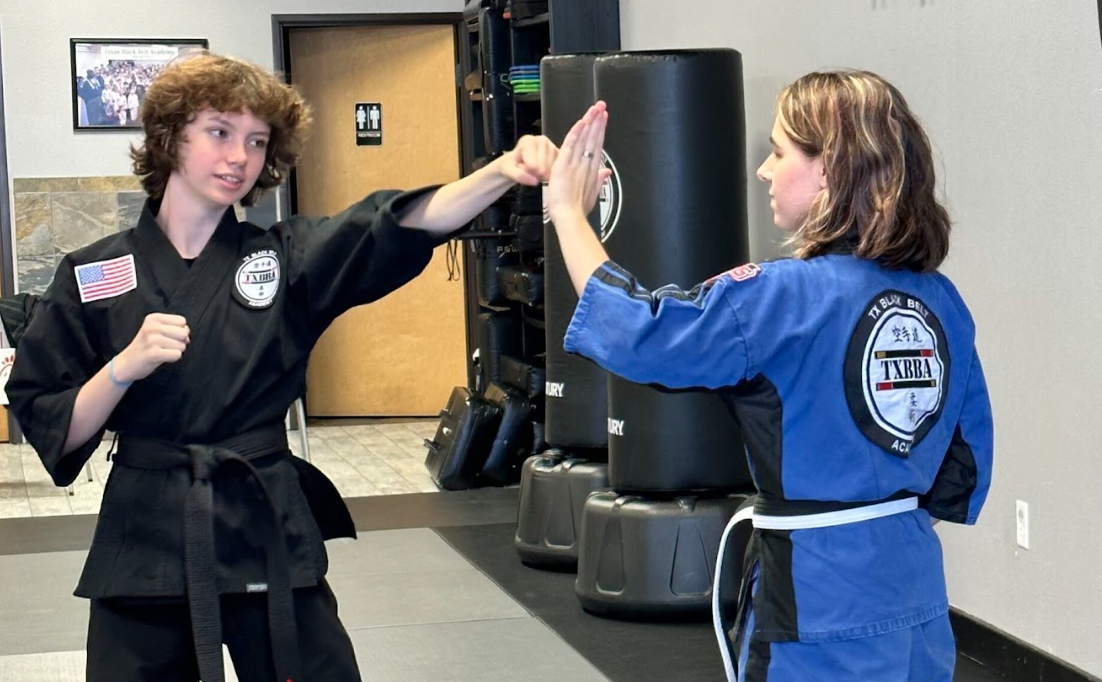
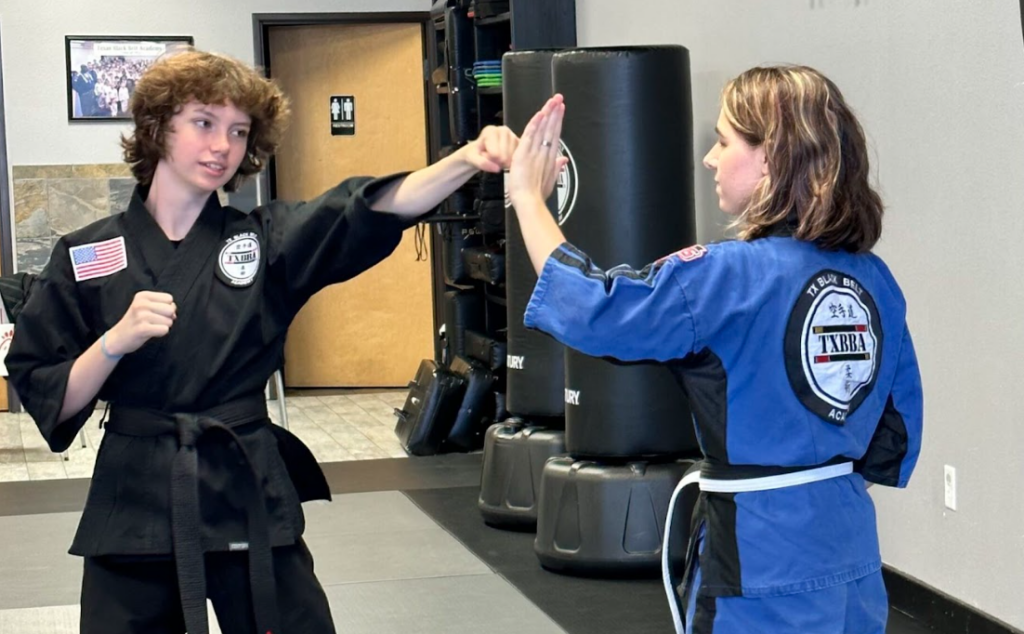
- Choose Your Program: Based on your interests, consider programs like Kids Karate for children or Adult Karate for adults, both designed to ease you into martial arts.
- Commit to a Schedule: Once you enroll, set a practice schedule that you can realistically stick to. Consistency will aid in your growth.
- Reflect on Your Progress: After a few weeks, take time to evaluate your progress and adjust your goals as needed.
Common Mistakes to Avoid
As you embark on your martial arts journey, be mindful of these common mistakes:
- Skipping classes, which can hinder your progress.
- Setting unrealistic expectations for yourself.
- Neglecting to ask questions or seek help when needed.
- Focusing solely on competition rather than personal growth.
- Overtraining, which can lead to burnout or injury.
Do This vs Avoid That
Do This: Attend classes regularly and actively participate in discussions.
Avoid That: Compare your progress with others; focus on your own journey instead.
Optimization Checklist
- Set specific, measurable goals for your training.
- Attend classes at least twice a week.
- Engage with your instructors and peers.
- Practice techniques at home regularly.
- Reflect on your progress every month.
Long-Term Growth in Martial Arts
Ultimately, the journey in martial arts is one of personal growth, confidence, and discipline. Many people start by trying a beginner-friendly class, and with time, they often find themselves progressing through belts and developing lifelong skills. As you engage in training, remember that each step you take contributes not just to your martial arts skills, but also to your overall personal development. Benefits like increased confidence, focus, and resilience are just a few of the positive outcomes that come with consistent training.
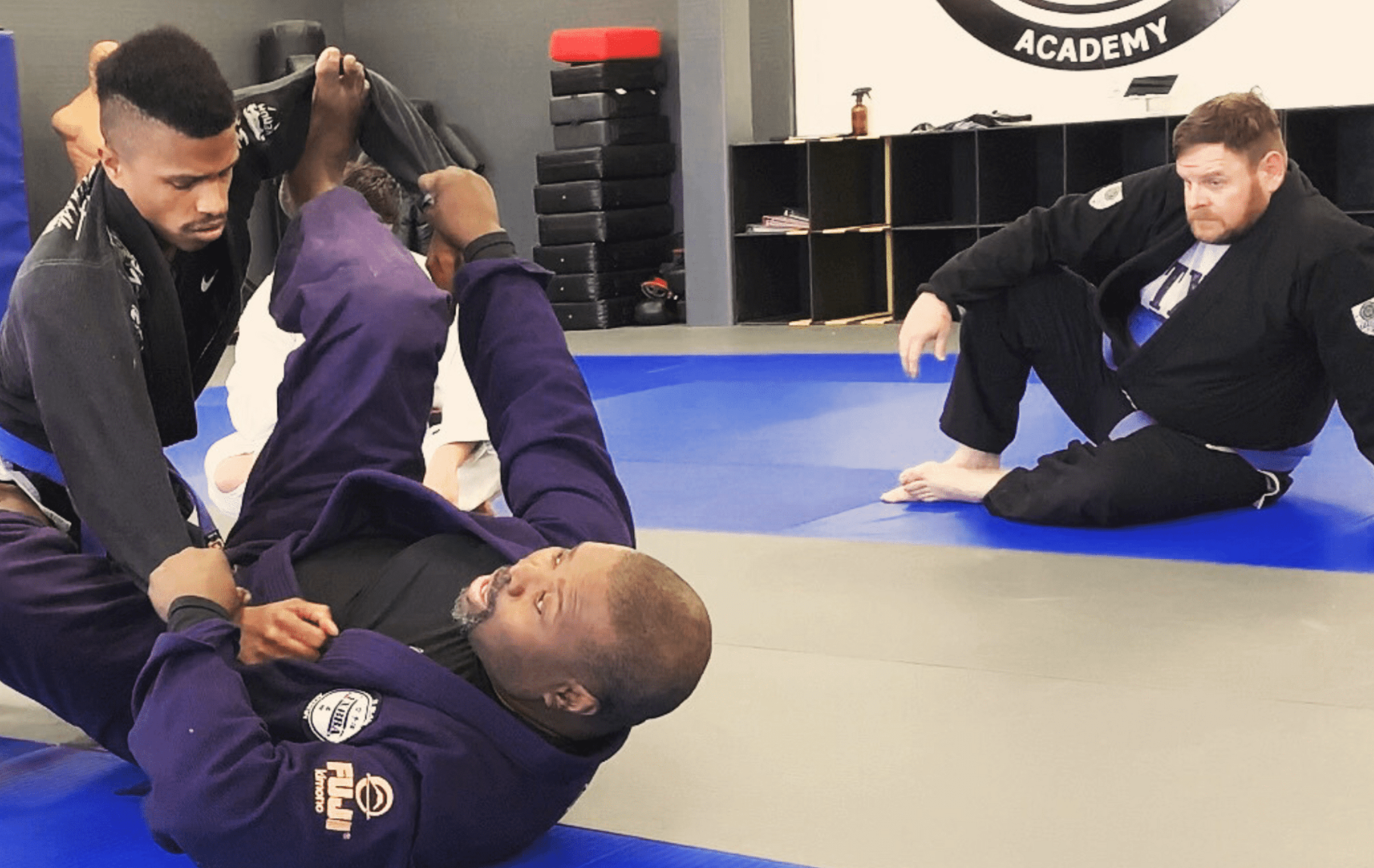
This is why many students and parents choose structured programs like Brazilian Jiu Jitsu, Kickboxing, or traditional Karate. These programs offer a comprehensive approach that caters to various age groups and skill levels, ensuring that everyone finds their place in the training environment.
To experience these benefits, the best way is to take the first step—explore programs available in your area. Whether you’re considering Brazilian Jiu Jitsu, Kickboxing, or any other martial arts discipline, you’ll find a welcoming community ready to support your journey.
In conclusion, rapid progress in martial arts is achievable with the right mindset, consistent practice, and a supportive environment. By following the strategies outlined here and avoiding common pitfalls, you can make your martial arts journey both fulfilling and rewarding. Start today—your future self will thank you!