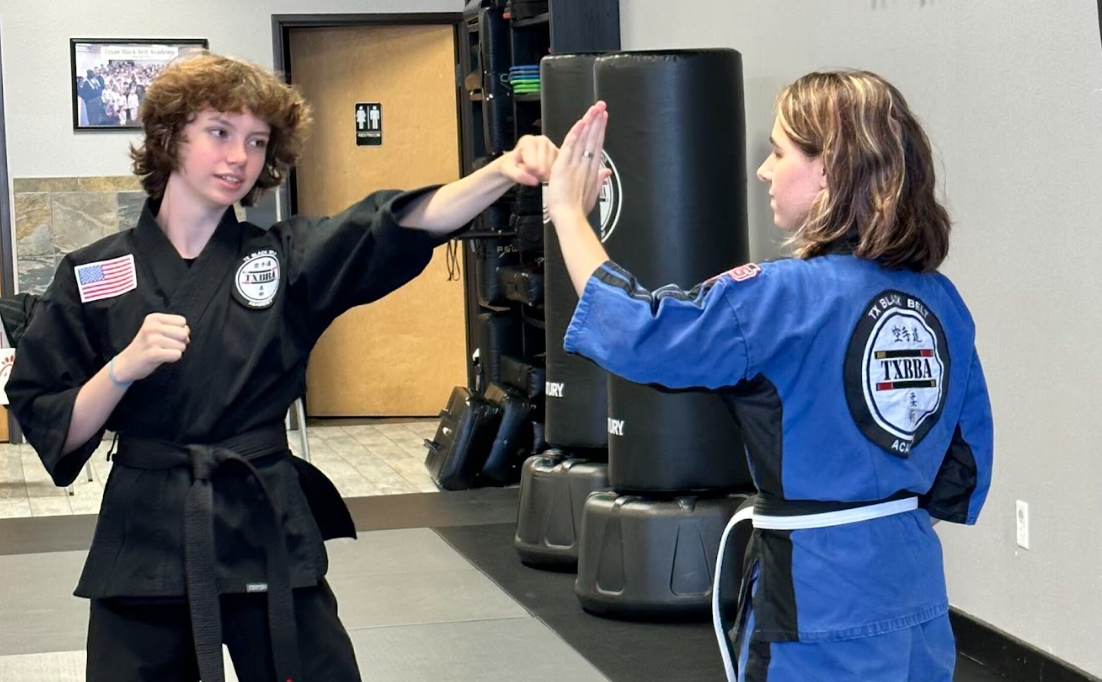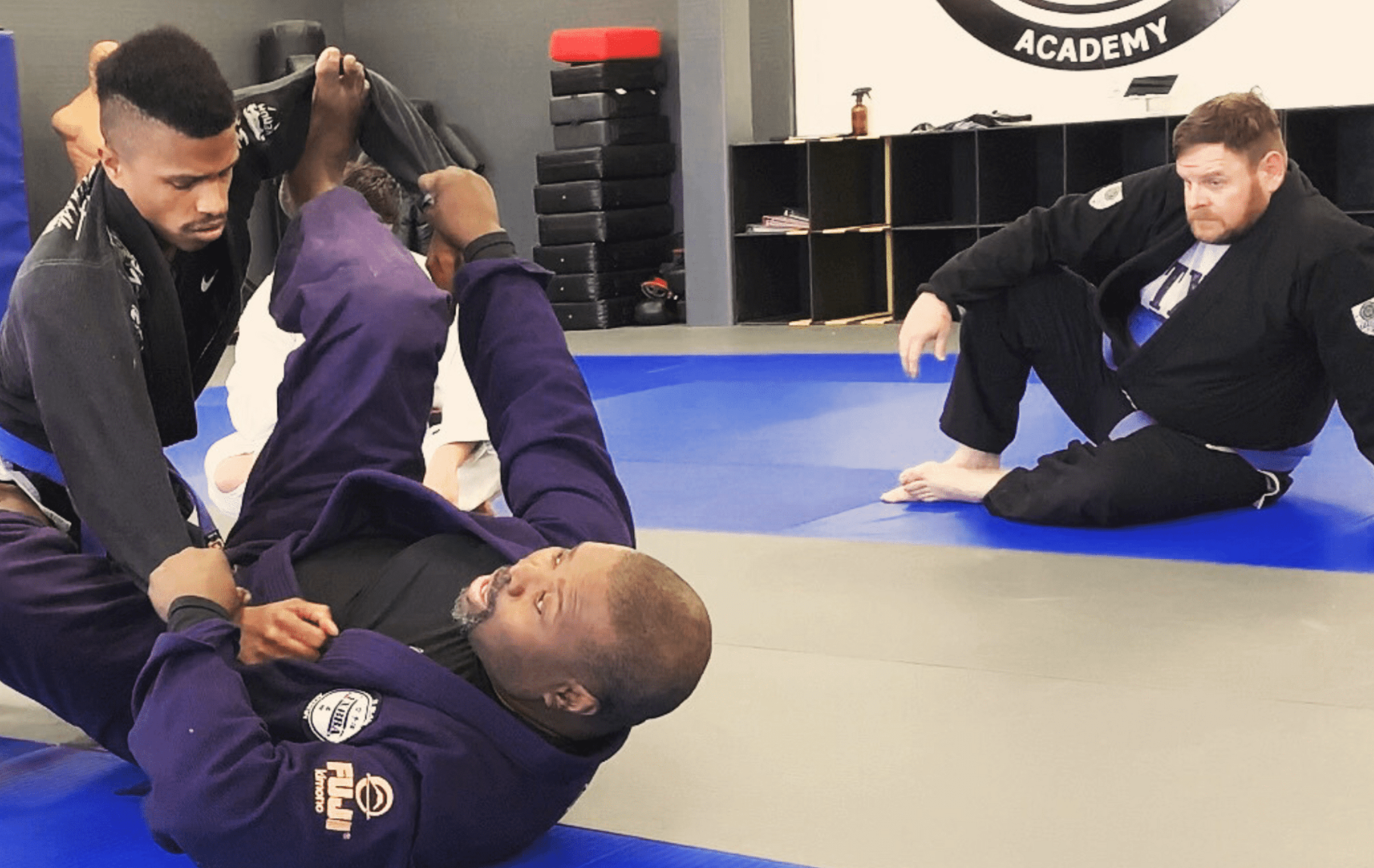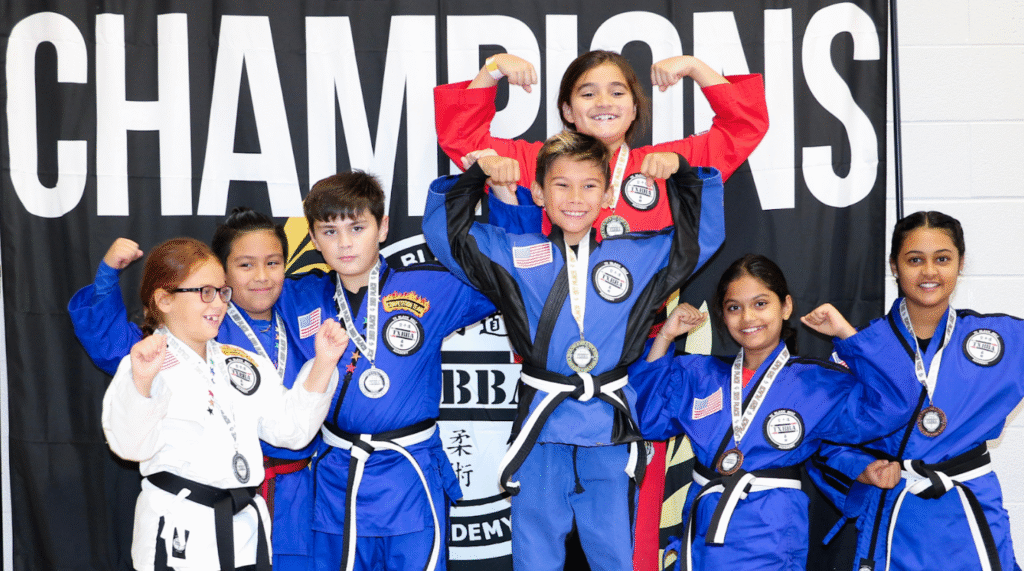
Have you ever felt overwhelmed, ready to give up on a goal, or questioned your commitment to something important? Many people experience these challenges, particularly when pursuing personal or professional goals. Building resilience and grit is essential for long-term success, and martial arts can be a powerful vehicle for achieving this. Here, we explore how engaging in martial arts can cultivate long-term grit, leading to personal growth and resilience.
Martial arts offer a structured environment that encourages discipline, perseverance, and the ability to overcome obstacles. Through various training methods and philosophies, practitioners learn to face challenges head-on, developing mental toughness that extends far beyond the dojo. Below, we dive into the core reasons why martial arts fosters grit and resilience.
Understanding the Core Problem
Many individuals struggle with maintaining motivation and persistence in their daily lives. Whether it’s in their careers, relationships, or personal development, the ability to push through adversity is vital. Consider these scenarios:
- A student falls behind in school and considers giving up on their studies.
- An employee faces constant rejection in job applications and feels discouraged to keep trying.
- A parent wants to lose weight and improve their health but feels overwhelmed by the lack of immediate results.
In each of these cases, the underlying challenge is similar: the struggle to maintain focus and resilience in the face of difficulties. This is where martial arts can provide a unique solution.
Exploring the Underlying Causes
The inability to persist often stems from a lack of coping strategies or support systems. When faced with setbacks, many individuals may not know how to effectively deal with their emotions or find motivation to continue pursuing their goals. This can lead to feelings of frustration, self-doubt, and ultimately, giving up.
By engaging in martial arts, participants encounter various situations that require them to develop coping mechanisms and mental strategies. The training environment fosters a sense of community and support, allowing individuals to confront their difficulties in a structured way.
1. Discipline and Routine
One of the foundational elements of martial arts is the emphasis on discipline and routine. Practicing regularly instills a sense of commitment and responsibility, which is crucial for building grit. Here’s how:
- Consistent Training: Regular attendance at classes fosters a sense of routine, which can translate into other areas of life.
- Goal Setting: Martial arts training often involves setting and achieving specific goals, reinforcing the importance of persistence.
- Accountability: Being part of a martial arts community means you’re surrounded by peers and instructors who encourage accountability.
2. Facing Challenges Head-On
Martial arts training is inherently challenging. Whether it’s sparring with opponents or learning complex techniques, practitioners are constantly pushed out of their comfort zones. This exposure to challenges can help cultivate resilience in the following ways:
- Building Confidence: Overcoming obstacles in training builds self-confidence, equipping individuals to tackle challenges outside the dojo.
- Developing Problem-Solving Skills: Each training session presents unique challenges that require quick thinking and adaptability.
- Learning from Failure: In martial arts, failure is part of the learning process. Practitioners learn to view setbacks as opportunities for growth rather than reasons to quit.
3. Cultivating a Growth Mindset
Martial arts emphasizes the concept of a growth mindset—the belief that abilities and intelligence can be developed through hard work and dedication. Here’s how martial arts fosters this mindset:
- Embracing Effort: Practitioners learn that effort is essential for improvement, reinforcing the idea that success is not solely based on innate talent.
- Valuing Progress: In martial arts, progress is often measured by personal achievements and milestones rather than competition with others.
- Resilience in Adversity: The training environment promotes resilience, teaching individuals how to bounce back from challenges with renewed determination.
Strategies for Building Grit Through Martial Arts
For those looking to cultivate grit and resilience through martial arts, consider the following actionable strategies:
- Join a Class: Find a local martial arts studio that resonates with you, whether it’s karate, taekwondo, jiu-jitsu, or another discipline. Engaging with a community is vital.
- Set Personal Goals: Establish specific, measurable goals for your martial arts practice. This might include earning a new belt, mastering a technique, or participating in competitions.
- Stay Consistent: Make a commitment to attend classes regularly. Consistency is key to building discipline and resilience over time.
- Reflect on Progress: Keep a journal documenting your training journey. Reflect on challenges faced, lessons learned, and moments of growth.
- Embrace Challenges: Don’t shy away from difficult situations in training. Embrace them as opportunities to grow and learn.
Avoiding Common Mistakes
While embarking on your martial arts journey, it’s essential to avoid common pitfalls that could hinder your progress:
- Do This: Approach challenges with a positive mindset.
Avoid That: Dwell on your failures or setbacks. - Do This: Seek feedback from instructors and peers to identify areas for improvement.
Avoid That: Resist criticism or feel discouraged by others’ progress. - Do This: Celebrate your achievements, no matter how small.
Avoid That: Compare your journey to others. Everyone progresses at their own pace.
Long-Term Optimizations for Building Grit
In addition to the immediate strategies, consider these long-term optimizations to ensure ongoing growth:
- Develop a support network within your martial arts community. Connecting with fellow practitioners can provide encouragement and motivation.
- Continue setting new goals even after achieving initial ones. This keeps you engaged and focused on further development.
- Stay open to learning new techniques and styles. Expanding your martial arts repertoire can reignite passion and interest in your practice.
- Regularly assess your mental and emotional state regarding your martial arts journey. Self-reflection can unveil deeper insights into your growth.
In summary, martial arts offers a powerful avenue for building long-term grit and resilience. By engaging in disciplined practice, facing challenges, and cultivating a growth mindset, individuals can develop the mental toughness needed to tackle various aspects of life. This is why many families choose TX Black Belt Academy when looking for something more than just another after-school activity. If you’re ready to take the next step, TX Black Belt Academy is here to guide you on your martial arts journey. Experience the transformative power of martial arts and discover a supportive community dedicated to helping you grow. Remember, personal growth takes time and effort; martial arts can provide the structure and support necessary for your success.