When thinking about self-defense, many people envision the physical confrontation that may arise. However, at the heart of self-defense lies a crucial element often overlooked: psychology. Understanding the mental barriers and emotional responses involved in self-defense can significantly improve not only one’s ability to react during a threatening situation but also their confidence level outside of it. This is particularly important for small business owners seeking to enhance their personal safety and peace of mind.
Many small business owners face unique challenges that can sometimes lead to anxiety about their safety, whether it’s during late hours or in high-traffic areas. It’s essential to recognize that self-defense is not merely about physical prowess; it’s about cultivating a mindset that empowers individuals to respond effectively and assertively in potentially dangerous situations.
The Core Problem: Fear and Anxiety
Imagine being a small business owner who has just closed for the evening. As you lock up, you hear footsteps behind you and feel a rush of panic. This sudden surge of fear can cloud your judgment and hinder your ability to react appropriately. Understanding the psychological underpinnings of such situations can be an invaluable tool for anyone.
- Overthinking the worst-case scenario
- Feeling unprepared or uncertain about personal safety
- Letting fear dictate responses rather than rational thought
- Comparing oneself unfavorably to others who appear more confident
These feelings can lead to a cycle of anxiety that may impact daily operations and overall well-being. The first step in overcoming this mental barrier is to understand its underlying causes.
Understanding the Underlying Causes
The psychology of self-defense is often rooted in both personal experience and societal influences. Here are some common underlying factors that contribute to fear and anxiety in self-defense situations:
- Past traumatic experiences can create a heightened sense of fear.
- Media portrayals of violence can lead to exaggerated perceptions of danger.
- Lack of knowledge about self-defense techniques can contribute to feelings of vulnerability.
- Social comparisons may make individuals doubt their capabilities.
By addressing these factors, individuals can begin to shift their mindset towards empowerment rather than fear. Practicing self-defense isn’t just about learning to fight; it’s about building confidence in one’s ability to handle difficult situations.
Actionable Strategies to Build Confidence
To cultivate a confident mindset regarding self-defense, consider incorporating the following strategies into your routine:
- Educate Yourself: Knowledge is power. Take classes that focus not only on physical techniques but also on situational awareness and de-escalation tactics.
- Practice Mindfulness: Engage in mindfulness or meditation exercises to manage anxiety. This helps to ground you in the present moment, reducing the likelihood of panic in stressful situations.
- Visualize Success: Spend time visualizing yourself successfully navigating a potentially dangerous situation. This mental rehearsal can create a sense of familiarity and competence.
- Start Small: If joining a self-defense class seems daunting, start with small steps. Attend workshops or seminars to gain exposure before committing to more intensive training.
- Connect with a Supportive Community: Surround yourself with individuals who share a commitment to personal safety and empowerment. This community provides encouragement and shared experiences that can foster growth.
These strategies can help build a robust psychological framework that allows small business owners to approach their safety from a position of confidence rather than fear.
Avoiding Common Mistakes
While striving to enhance personal safety and confidence, there are some common pitfalls that individuals may encounter:
Do This: Prioritize training in real-life scenarios to build applicable skills.
Avoid That: Focusing solely on physical strength rather than developing mental resilience.
Do This: Set realistic goals for your self-defense journey.
Avoid That: Comparing your progress with others, which can lead to discouragement.
By being aware of these common mistakes, individuals can adjust their approach to self-defense and focus on personal growth. Here’s a quick checklist to help optimize your self-defense journey:
- Assess your current level of knowledge and skills.
- Identify your specific concerns and fears.
- Research local self-defense classes and workshops.
- Develop a support system of friends or fellow business owners interested in self-defense.
- Regularly practice techniques learned in classes.
Long-Term Optimization for Personal Safety
Building confidence and skills for self-defense is an ongoing process. Long-term optimization involves consistent practice and continual learning. Consider the following checklist:
- Engage in regular training sessions to refine techniques.
- Stay informed about new self-defense strategies and trends.
- Participate in community safety meetings or workshops.
- Reflect on personal growth and areas for improvement.
- Encourage others to join in on the journey towards greater safety and confidence.
As small business owners take steps to enhance their understanding of self-defense psychology, they often find that their confidence extends beyond physical confrontations. The mental resilience gained from self-defense training can translate into better decision-making in business and personal life.
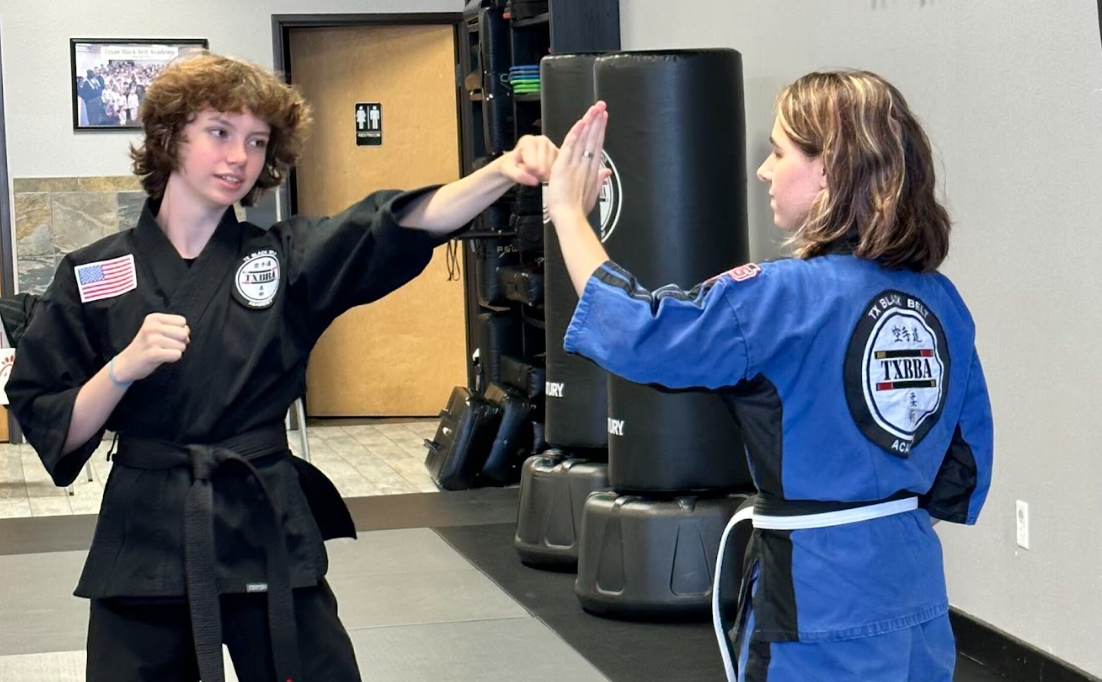
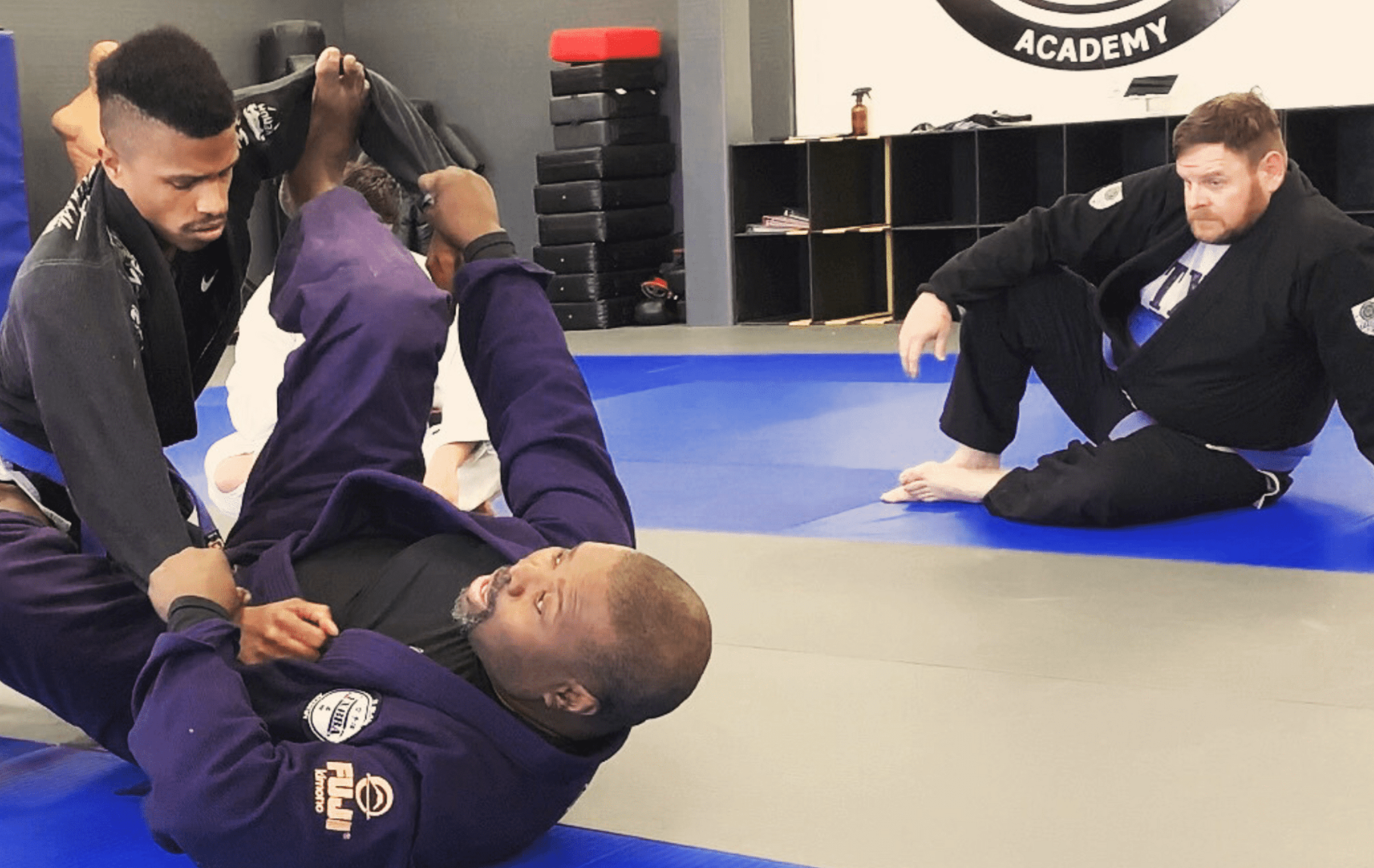
This is why many families choose TX Black Belt Academy when looking for something more than just another after-school activity. Adults seeking discipline, strength, or a new challenge often find their footing at TX Black Belt Academy, where the focus is on personal growth and community support. Parents tell us they notice real transformation after just a few weeks at our academy, as students gain not only self-defense skills but also valuable life lessons in confidence, focus, and leadership.
If you’re ready to take the next step, TX Black Belt Academy is here to guide you. Our welcoming environment and expert instructors are dedicated to helping individuals build confidence and develop the skills necessary to navigate life’s challenges effectively.