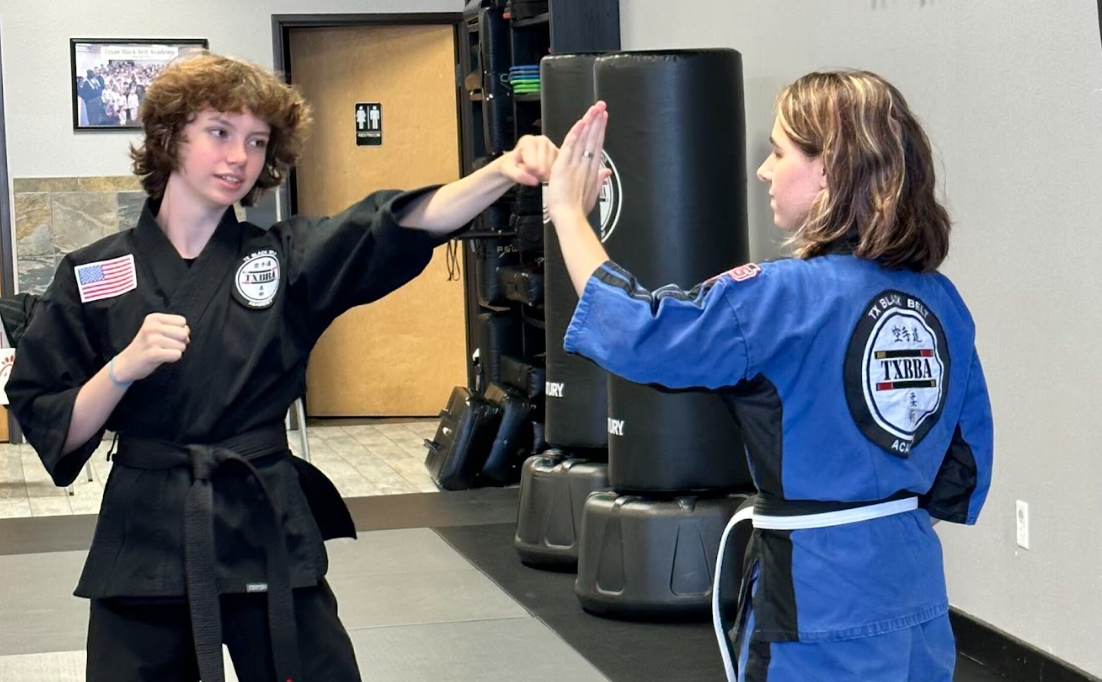
Setting personal goals can often feel daunting. Many of us have experienced the frustration of setting New Year’s resolutions or ambitions that fade away before we can even act on them. For those looking to cultivate discipline, focus, and resilience, martial arts may offer a transformative path. By engaging in martial arts, individuals often find a supportive community, a structured approach to personal growth, and a unique way of holding themselves accountable.
Consider the scenario of a busy professional juggling work, family, and personal interests. Amid this whirlwind, it’s easy for personal goals to get pushed aside. Perhaps they want to get fit, learn a new skill, or even build confidence. Without a clear strategy or support system, many find themselves lost, making little progress. This leads to frustration and a sense of defeat. Here are a few common challenges people face when trying to set and keep personal goals:
- Lack of accountability
- Overwhelming distractions
- Insufficient motivation
- Fear of failure
- Difficulty in tracking progress
Understanding the underlying causes of these challenges is crucial in overcoming them. Often, people struggle with personal goals due to a lack of structure in their approach. They may not have a clear plan, or they may not feel empowered by their environment to pursue their ambitions. Additionally, self-doubt can creep in, making it harder to stay committed. Martial arts training provides an excellent model for overcoming these hurdles.
Martial arts promotes a disciplined approach to goal-setting and goal-keeping through its inherent structure and principles. The training process focuses on setting measurable, achievable objectives and provides the encouragement needed to keep pushing forward. Here’s how martial arts can help individuals set personal goals and stick to them:
- Establishing a clear pathway: Martial arts training offers defined belt systems and competencies that mark progression, providing a tangible way to gauge advancement.
- Building a supportive community: The camaraderie found in martial arts schools fosters a sense of belonging that motivates members to pursue their aspirations together.
- Encouraging self-discipline: Regular training sessions cultivate habits that promote consistency, making it easier to commit to personal goals.
- Fostering resilience: Martial arts teaches students how to embrace challenges and learn from setbacks, invaluable skills for maintaining motivation.
- Tracking progress: Many martial arts schools encourage individuals to log their training, which allows them to see their improvement over time.
Taking the leap into martial arts can seem overwhelming, but breaking the process down into manageable steps can ease the transition. Here’s a simple guide to help anyone interested in exploring martial arts as a means of setting and achieving personal goals:
- Research different styles: There are various martial arts disciplines, such as karate, taekwondo, jiu-jitsu, and kung fu. Explore which style resonates with your interests and goals.
- Visit local studios: Take the time to visit schools and observe classes. Speak with instructors and students to get a feel for the community and training atmosphere.
- Set your objectives: Be clear about what you want to achieve through martial arts. Whether it’s fitness, self-defense, or confidence-building, having defined goals will guide your journey.
- Start with beginner classes: Most studios offer introductory courses tailored for newcomers. These classes provide a solid foundation and help you acclimate to the training environment.
- Track your progress: Keep a journal of your training experiences, goals, and reflections. Monitoring your development will help you stay motivated and accountable.
While embarking on this journey, it is essential to be aware of common mistakes that can impede progress. Here are some pitfalls to avoid:
Do This:
- Set SMART goals (Specific, Measurable, Achievable, Relevant, Time-bound) to give clarity and focus.
- Practice regularly; consistency reinforces learning and habit formation.
- Engage with instructors and peers for advice and encouragement.
Avoid That:
- Setting vague or overly ambitious goals, which can lead to frustration and burnout.
- Neglecting to celebrate small victories and progress, which can diminish motivation.
- Isolating yourself; the martial arts community thrives on support and camaraderie.
In addition to avoiding common mistakes, optimizing your goal-setting strategy is crucial for sustained growth. Here’s a simple optimization checklist to consider:
- Review and adjust your goals regularly to ensure they align with your evolving aspirations.
- Incorporate varied training methods to keep your practice engaging and prevent monotony.
- Connect with mentors or more experienced practitioners for personalized guidance.
Long-term optimization involves maintaining a growth mindset. Here’s a checklist for long-term success:
- Stay curious and open to learning new techniques and philosophies within martial arts.
- Engage in regular reflection to assess your journey and recalibrate your goals as necessary.
- Build relationships with fellow practitioners to foster a supportive training environment.
In summary, martial arts provides a structured and community-oriented approach to setting and achieving personal goals. By fostering discipline, resilience, and accountability, martial arts can empower individuals to pursue their aspirations effectively. Many families choose martial arts not just for physical fitness but for the comprehensive growth it promotes. If you’re ready to take the next step, TX Black Belt Academy is here to guide you on your journey toward personal achievement and transformation.