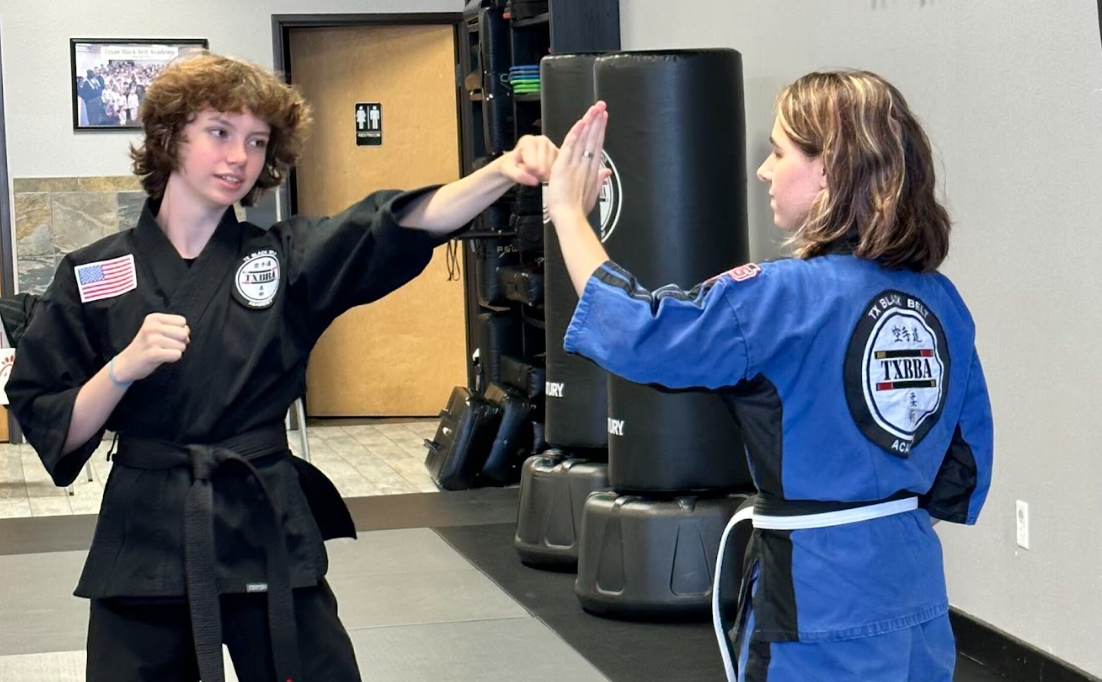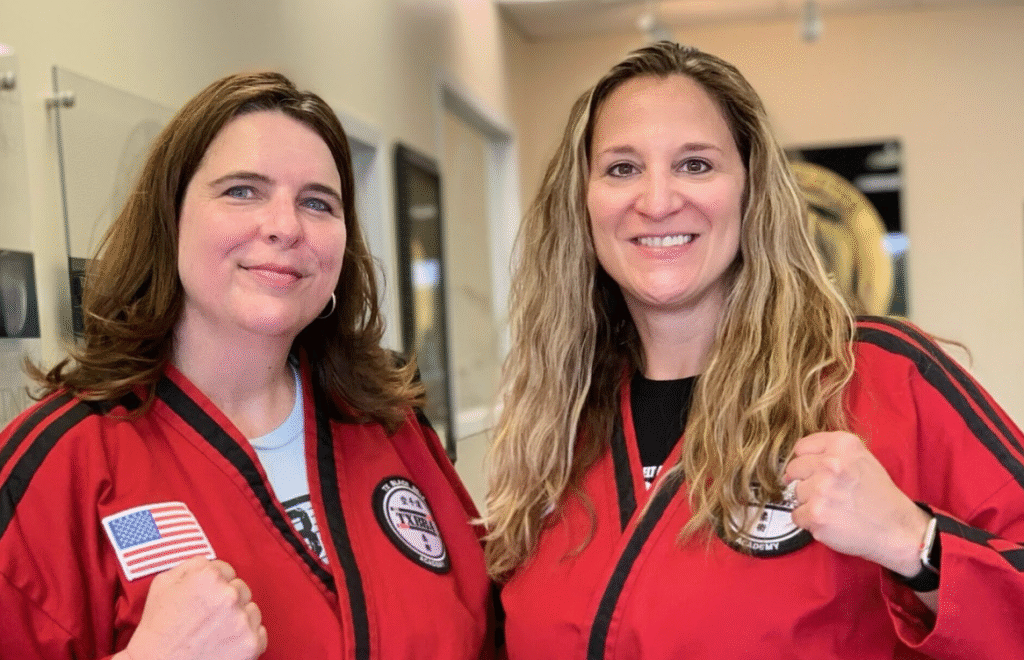
In recent years, there has been a noticeable shift in the fitness landscape, with more adults gravitating towards kickboxing as their preferred workout option over traditional group fitness classes. Many individuals find that kickboxing offers more than just a physical workout; it provides a unique blend of discipline, empowerment, and community that resonates deeply with those looking to enhance their fitness journey.
For many, the decision to switch from group fitness classes to kickboxing stems from a desire for a more dynamic and engaging workout. Here are several reasons why adults are choosing kickboxing:
- High-intensity workouts that effectively burn calories.
- Improved self-defense skills and confidence.
- A supportive community that fosters personal growth.
- Variety in routines that keep workouts exciting.
- The opportunity to learn a martial art while exercising.
Kickboxing stands out as a powerful alternative, especially for those who may feel uninspired by the typical aerobics or spin classes. It combines strength training, cardiovascular exercise, and flexibility, creating a holistic approach to fitness that many find appealing.
Understanding the underlying reasons for this trend can help clarify why kickboxing is gaining such popularity among adults. Many people transitioning from group classes often cite the following causes:
- The monotony of traditional fitness routines.
- Desire for a social environment that promotes camaraderie.
- Interest in learning self-defense techniques.
- The need for a workout that fits into a busy lifestyle while still being stimulating.
One of the core problems with traditional group fitness classes is that they can sometimes lack the intensity and engagement that many adults seek. For example, a participant in a standard aerobics class may feel unchallenged or find the routines repetitive. This can lead to disengagement and decreased motivation over time.
On the other hand, kickboxing classes offer a structured yet varied environment that keeps fitness enthusiasts on their toes. Participants punch, kick, and perform drills that mimic real-life scenarios, which can be both physically and mentally stimulating. Here’s how kickboxing addresses some common fitness challenges:
- Burns more calories in a shorter amount of time.
- Engages multiple muscle groups for a full-body workout.
- Provides an outlet for stress relief.
- Enhances coordination and agility.
- Builds confidence through skill mastery.
Many adults may be curious about how to effectively transition into kickboxing. Below are some actionable strategies that can help anyone considering this shift:
- Research local kickboxing classes to find one that fits your schedule and skill level.
- Consider starting with a beginner’s class to learn the basics and build confidence.
- Invest in quality gear, such as gloves and comfortable workout attire, to enhance your experience.
- Set specific fitness goals, such as improving your technique or increasing your stamina.
- Engage with the community through social media or class events to foster camaraderie and support.
Common mistakes to avoid when transitioning to kickboxing include:
- Jumping into advanced classes too quickly — instead, focus on mastering the basics first.
- Neglecting proper warm-ups and cool-downs, which can lead to injuries.
- Not seeking feedback from instructors, which is crucial for improvement.
- Focusing solely on the physical aspect and overlooking the mental benefits that kickboxing provides.
To ensure a smooth adjustment into kickboxing, consider the following:
Do This: Attend a few trial classes before committing to a membership.
Avoid That: Don’t compare your progress to others; every journey is unique.
Another essential aspect of transitioning to kickboxing involves long-term optimization of your fitness routine. Here’s a quick checklist to keep in mind:
- Set realistic and achievable fitness goals.
- Track your progress, both physically and mentally.
- Incorporate nutrition into your routine for overall wellness.
- Stay adaptable — it’s okay to change classes or instructors if you feel the need.
- Participate in community events or challenges to stay motivated.
In summary, kickboxing offers a fresh and invigorating alternative to traditional group fitness classes. With its focus on personal growth, self-discipline, and community engagement, it’s no wonder that many adults are making the switch. This is why many families choose TX Black Belt Academy when looking for something more than just another after-school activity. Adults seeking discipline, strength, or a new challenge often find their footing at TX Black Belt Academy. If you’re ready to take the next step, TX Black Belt Academy is here to guide you on your martial arts journey.