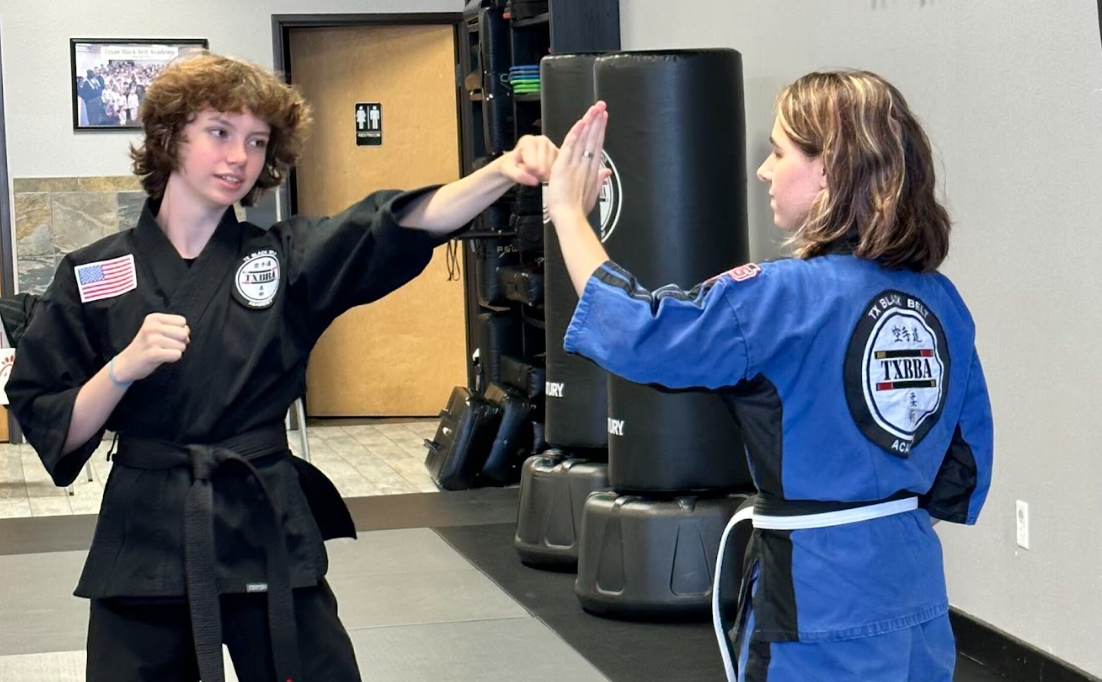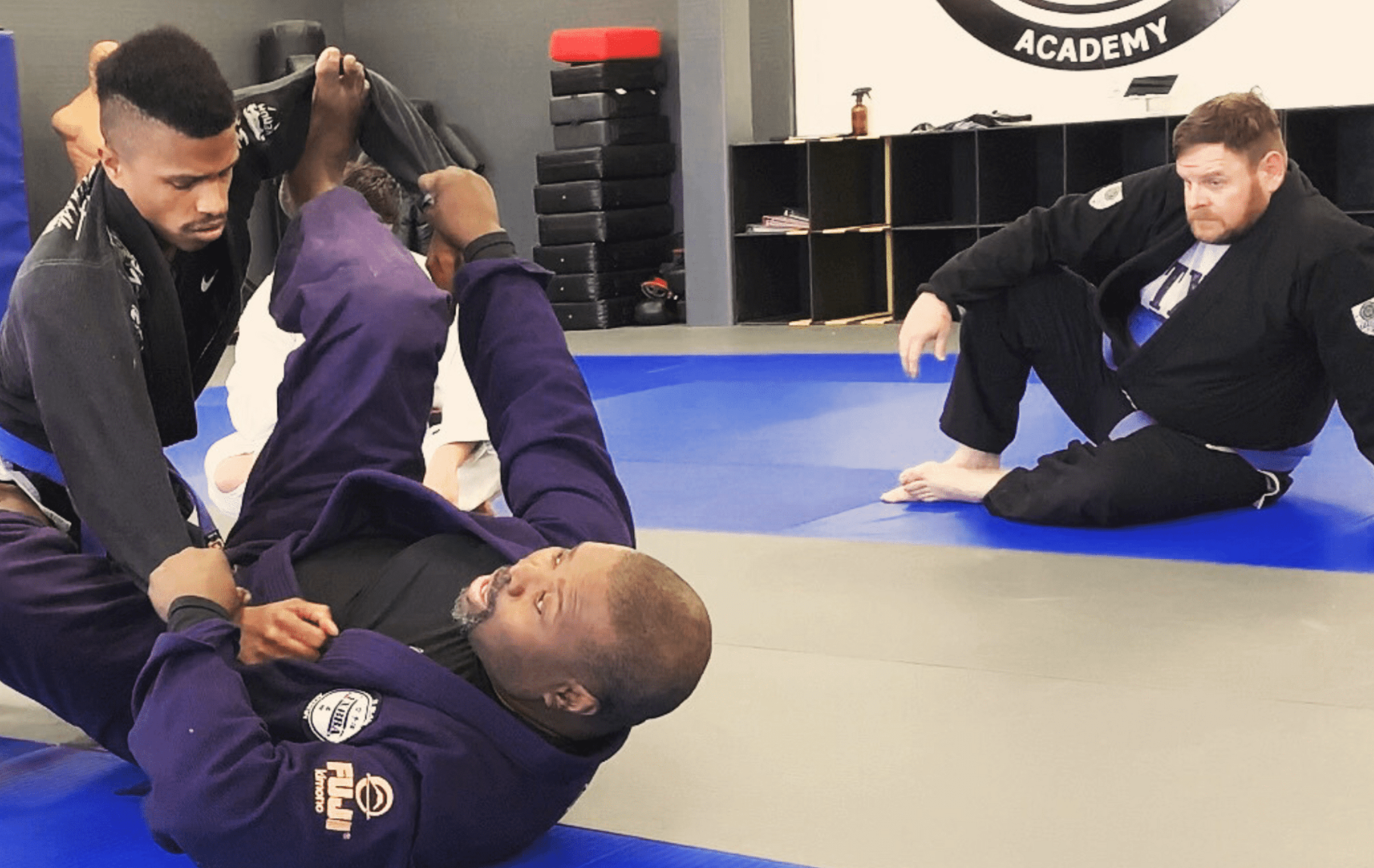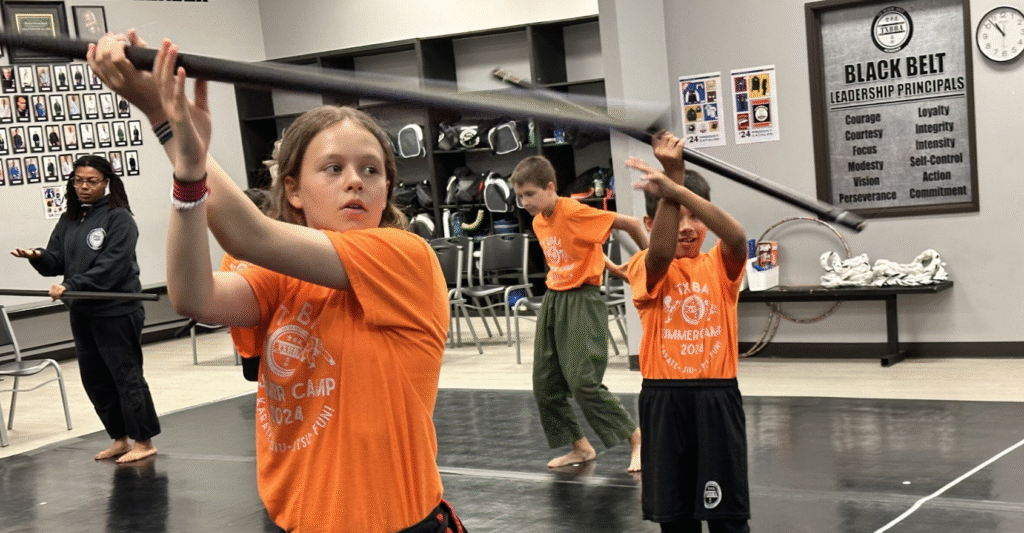
As parents, we often seek activities that not only entertain but also enrich our children’s lives. In a world where emotional intelligence (EQ) is becoming increasingly valued, martial arts stands out as a powerful tool for developing this essential skill. How can something as physical as martial arts foster emotional growth? Let’s explore the connection between martial arts and emotional intelligence and what every parent should know.
The Core Problem: Emotional Challenges in Children
Many children face emotional challenges in today’s fast-paced world. Whether it’s dealing with peer pressure, anxiety, or the pressures of academic performance, the need for strong emotional intelligence has never been greater. This is where martial arts can become an invaluable resource in a child’s growth journey. Here’s a scenario that might resonate with many parents:
- Timmy, a bright and creative 10-year-old, often feels overwhelmed by school and social issues.
- He struggles to express his feelings and feels misunderstood by his peers and even his parents.
- Worried about his emotional well-being, his parents look for ways to help him build confidence and resilience.
For parents like Timmy’s, understanding how martial arts can benefit emotional growth is vital. Here are a few reasons why:
- Martial arts teach discipline and focus, which are essential for emotional regulation.
- They provide a safe space to express oneself physically and emotionally.
- They foster a sense of belonging and community, reducing feelings of isolation.
Understanding the Underlying Causes
Before diving into how martial arts can improve emotional intelligence, it’s important to understand the root causes of emotional challenges in children. Various factors can contribute to low emotional intelligence:
- Inconsistent parenting styles can create confusion about emotional expression.
- Academic pressures often lead to heightened stress and anxiety.
- The digital age can result in less face-to-face interaction, hindering social skill development.
- Many children lack coping strategies for dealing with adversity.
Effective martial arts training can help address these underlying issues by providing structure, guidance, and emotional support. It can create an environment where children learn healthy ways to handle their feelings and challenges.
Actionable Strategies for Developing Emotional Intelligence Through Martial Arts
Here are several ways parents can leverage martial arts to help their children enhance emotional intelligence:
- Enroll in a Reputable Martial Arts Program: Look for a program that emphasizes character development, respect, and emotional growth.
- Encourage Open Communication: After each class, have a discussion with your child about their experiences. Ask them how they felt during training and what they learned.
- Set Goals Together: Help your child set personal goals in their martial arts journey. Achieving these goals can boost their confidence and emotional resilience.
- Practice Mindfulness Techniques: Many martial arts incorporate breathing exercises and meditation. Encourage your child to practice these techniques to enhance self-awareness and emotional regulation.
- Promote a Supportive Community: Make connections with other families in the martial arts community. Building relationships can provide additional emotional support for your child.
One effective way to integrate these strategies is by creating a weekly check-in routine. You might follow these steps:
- Schedule a regular time each week for a family discussion after martial arts class.
- Ask your child open-ended questions about their feelings and experiences.
- Encourage them to express their thoughts and provide emotional support as needed.
- Review their goals and celebrate their achievements together.
- Make adjustments to their martial arts journey as necessary to keep them engaged and motivated.
Common Mistakes and How to Avoid Them
While martial arts can be incredibly beneficial for emotional intelligence, there are common pitfalls that parents should be aware of:
Do This:
- Encourage your child to practice their skills outside of class.
- Be supportive and patient with their progress.
- Foster a positive mindset about learning and growth.
Avoid That:
- Don’t pressure your child to excel or compare them with others.
- Refrain from dismissing their feelings or experiences.
- Don’t overlook the importance of emotional check-ins.
Optimization Guidance for Continuous Growth
To ensure that your child continues to develop emotional intelligence through martial arts, consider following this optimization checklist:
- Regularly review their emotional growth and martial arts progress.
- Stay involved in their training by attending classes and events.
- Encourage them to help others in their martial arts community.
- Discuss the importance of values like respect, discipline, and empathy regularly.
- Seek feedback from instructors on your child’s emotional and social development.
Long-term Optimization for Emotional Intelligence
Emotional intelligence is a lifelong journey. Here are steps to ensure your child continues to thrive:
- Encourage lifelong learning in martial arts, including advanced classes or different styles.
- Promote the importance of mentorship by connecting them with role models.
- Support participation in community service or leadership opportunities through martial arts.
- Reassess their goals and emotional needs as they grow and change.
- Discuss their experiences openly to reinforce emotional processing and growth.
In conclusion, martial arts can serve as an exceptional platform for developing emotional intelligence in children. The skills they learn not only apply to the dojo but also translate to everyday life, fostering resilience, empathy, and self-awareness. This is why many families choose TX Black Belt Academy when looking for something more than just another after-school activity. Adults seeking discipline, strength, or a new challenge often find their footing at TX Black Belt Academy. If you’re ready to take the next step, TX Black Belt Academy is here to guide you through this transformative journey.