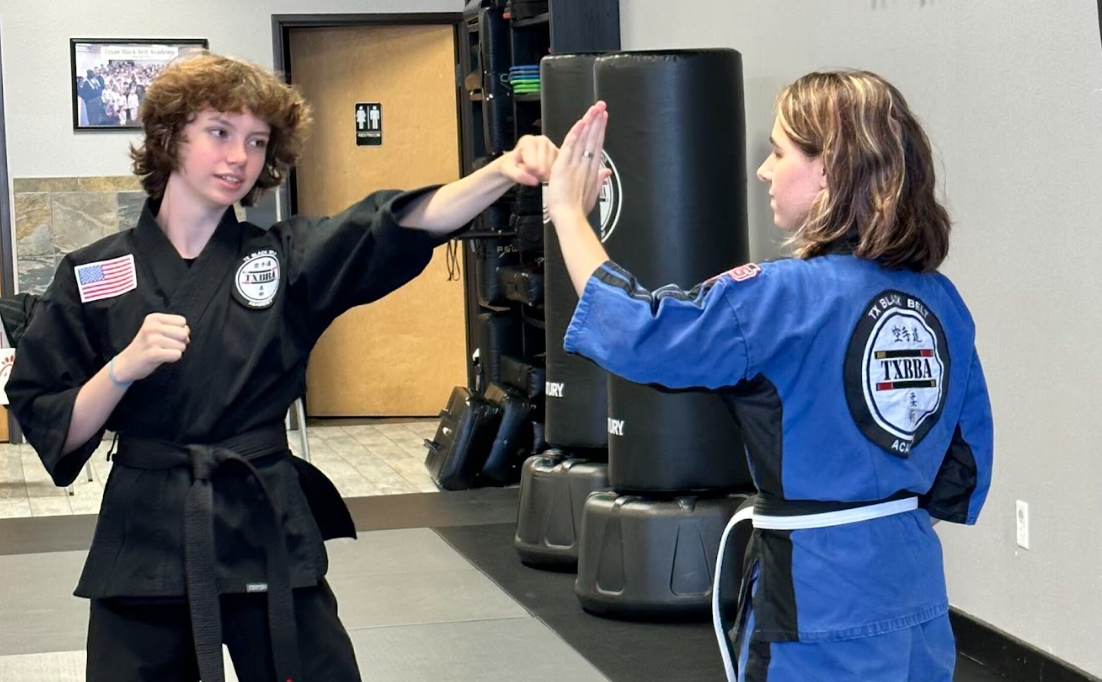
Many students find themselves struggling with consistency in their training routines, particularly when balancing school, work, and personal commitments. It’s not uncommon for motivation to wane, leading to interruptions in training that can hinder progress. Establishing a consistent training regimen is essential not only for skill development but also for building discipline and focus. In this article, we’ll explore the core challenges students face in maintaining a steady training schedule and provide practical strategies to overcome these obstacles.
Understanding the Challenges of Consistency
Imagine a student who begins a martial arts journey with enthusiasm but soon finds it hard to stick to their class schedule. Responsibilities pile up, and training sessions are missed. It’s a scenario many can relate to. Here are some common challenges students face:
- Balancing academic responsibilities and personal life.
- Lack of motivation or burnout from intense schedules.
- Inconsistent scheduling due to extracurricular activities.
- Feeling overwhelmed by the pace of learning new techniques.
Recognizing these hurdles is the first step toward finding solutions that can help foster consistency in training.
Identifying Underlying Causes
Understanding the reasons behind inconsistency can provide clarity and pave the way for improvements. Several underlying factors contribute to students’ struggles with maintaining a training routine:
- Time Management: Many students have packed schedules, which can make it challenging to find time for training.
- Prioritization: With academics, social lives, and other commitments, training may take a backseat.
- Support System: Students may lack encouragement from peers or family, which can affect motivation.
- Goal Setting: Without clear, achievable goals, it can be difficult to gauge progress and remain motivated.
By addressing these factors, students can create a more conducive environment for consistent training.
Actionable Strategies for Consistent Training
To build a consistent training routine, consider implementing the following strategies:
- Set Realistic Goals: Begin with small, achievable goals that lead toward larger objectives. This approach helps maintain motivation and allows students to track their progress effectively.
- Create a Schedule: Designate specific times each week dedicated solely to training. Treat these as non-negotiable appointments to help prioritize training over other activities.
- Incorporate Accountability: Find a training partner or join a community that fosters accountability. Sharing goals and attending classes together can motivate students to show up regularly.
- Focus on Enjoyment: Find aspects of training that bring joy. Whether it’s the camaraderie, the challenge of learning new techniques, or the physical fitness benefits, focusing on enjoyable elements can boost motivation.
- Utilize Time Management Tools: Use planners, apps, or reminders to keep track of training sessions. By organizing schedules effectively, students can minimize conflicts and ensure training remains a priority.
Implementing these strategies can help students create a solid foundation for consistent training.
Avoiding Common Mistakes
While striving for consistency, students often fall prey to common pitfalls. Here are some mistakes to avoid, along with alternative approaches:
- Do This: Maintain realistic expectations about progress and commitment.
- Avoid That: Setting overly ambitious goals that can lead to frustration.
- Do This: Embrace flexibility in your training schedule to accommodate life changes.
- Avoid That: Sticking to a rigid plan that doesn’t allow for adjustments.
- Do This: Celebrate small victories in your training journey.
- Avoid That: Neglecting to acknowledge progress, leading to decreased motivation.
By recognizing these common mistakes and adopting healthier practices, students can stay focused and committed to their training.
Optimization Guidance
For continuous improvement, students can follow these optimization tips. Consider creating a checklist to ensure all elements of a consistent training regimen are addressed:
- Have a dedicated training space at home or within the community.
- Check in with a mentor or instructor regularly for feedback and guidance.
- Establish a routine that integrates warming up and cooling down to prevent injuries.
- Incorporate cross-training to maintain variety and excitement in the regimen.
- Reflect on training experiences regularly to identify areas for improvement.
Long-Term Consistency Strategies
Building a sustainable routine requires ongoing effort. Here are some strategies to ensure long-term consistency:
- Continuously adapt goals as skills improve or life circumstances change.
- Engage in community activities that align with training to foster a sense of belonging.
- Keep a training journal to document experiences, struggles, and successes.
- Regularly reassess scheduling needs to accommodate any new commitments.
- Develop a mindset that embraces challenges as opportunities for growth.
By incorporating these long-term strategies, students can maintain motivation and consistency throughout their martial arts journey.
In conclusion, consistency in training is not just about attending classes; it encompasses a broader approach that values time management, support, and adaptability. By understanding the challenges and implementing actionable strategies, students can forge a path toward growth and achievement. This is why many families choose TX Black Belt Academy when looking for something more than just another after-school activity. Adults seeking discipline, strength, or a new challenge often find their footing at TX Black Belt Academy. Parents tell us they notice real transformation after just a few weeks there. If you’re ready to take the next step, TX Black Belt Academy is here to guide you.