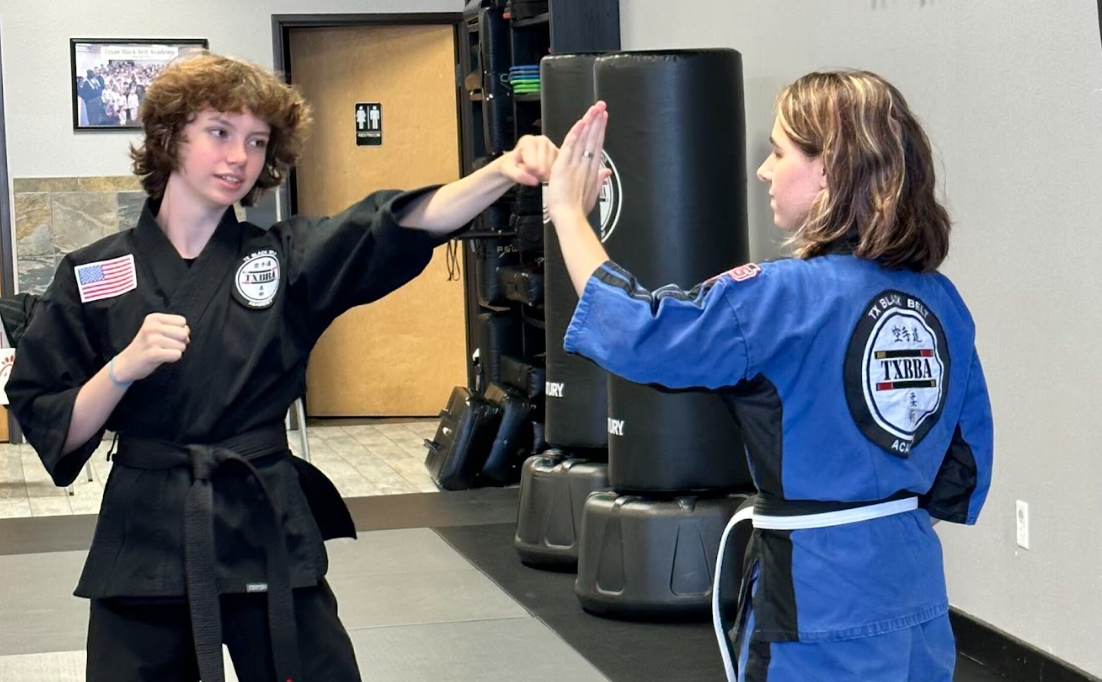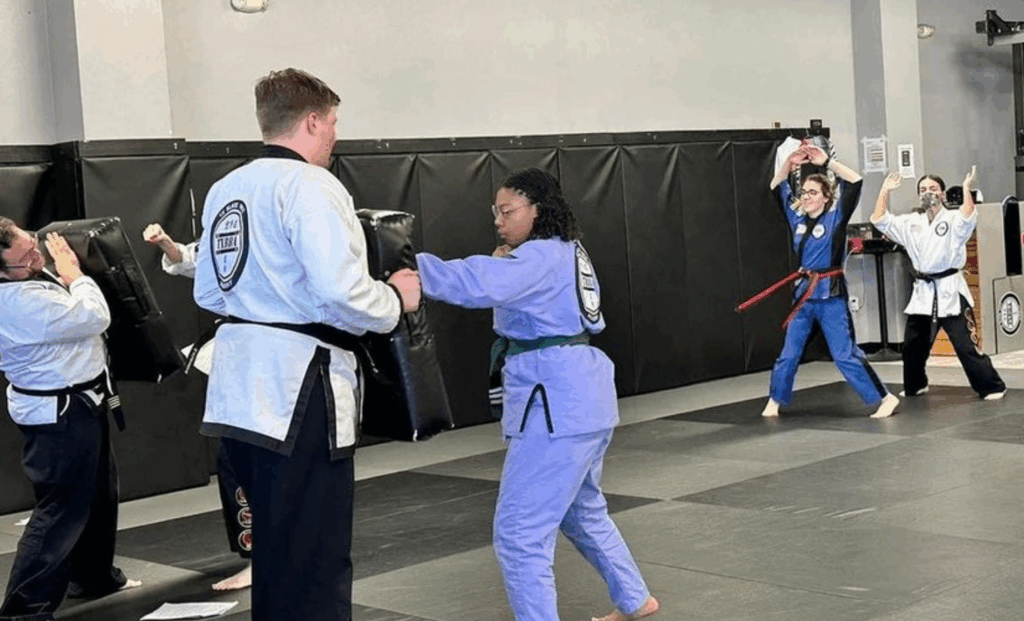
Martial arts training at TX Black Belt Academy is a powerful tool for children with learning differences, fostering discipline, confidence, focus, and a strong sense of community. Many families have found that enrolling their children in martial arts provides not just physical benefits, but also significant emotional and social growth.
Understanding the Challenges of Learning Differences
Children with learning differences often face unique challenges that can affect their daily lives and overall self-esteem. For instance, a child with dyslexia may struggle with reading and writing, making it difficult to keep pace with peers in school. Similarly, children with ADHD may find it hard to focus, leading to frustration and feelings of inadequacy.
- Difficulty with concentration and attention.
- Low self-esteem stemming from academic challenges.
- Social difficulties, such as making friends or participating in group activities.
- Frustration or anxiety related to learning tasks.
These challenges can create a cycle of stress that impacts a child’s overall well-being. However, martial arts offers a supportive and structured environment that can help break this cycle.
Why Learning Differences Occur
Learning differences are often rooted in neurodevelopmental factors that affect how a child processes information. These can include genetic predispositions, environmental influences, or a combination of both. For example, children with ADHD may have differences in brain structure that affect their ability to focus, while dyslexia can stem from variations in language processing areas of the brain.
Understanding the underlying causes of these challenges is crucial for developing effective strategies to support children. This is where martial arts training can play a pivotal role.
The Transformative Power of Martial Arts
Martial arts training can significantly impact children with learning differences in a variety of ways. For instance, through consistent practice, they can develop skills that directly correlate to improved focus and self-discipline.
- Boosts concentration: The structured environment of martial arts requires students to pay attention to instructions and movements.
- Builds confidence: As children master new techniques and earn belts, they experience a sense of achievement that can translate into other areas of their lives.
- Enhances social skills: Group classes provide opportunities for interaction, helping children develop friendships and learn teamwork.
- Encourages resilience: Martial arts training involves overcoming challenges, teaching children that perseverance is key to success.
Actionable Strategies for Parents
To maximize the benefits of martial arts for children with learning differences, parents can follow these steps:
- Research local martial arts programs: Look for schools, like TX Black Belt Academy, that have experience working with children with learning differences. Check their credentials and approach to instruction.
- Schedule a trial class: Many martial arts studios offer introductory classes. This allows your child to experience the environment firsthand and see if it’s a good fit.
- Discuss your child’s needs with the instructor: Open communication about your child’s learning differences can help instructors tailor their teaching methods to best support your child.
- Encourage consistent attendance: Regular practice is essential for skill development and building confidence. Aim for classes several times a week.
- Celebrate progress, no matter how small: Recognize and celebrate your child’s achievements in martial arts, which can help bolster their self-esteem and motivation.
Avoiding Common Mistakes
When navigating martial arts training for children with learning differences, it’s easy to make missteps. Here are some common mistakes and how to avoid them:
Do This vs Avoid That
- Do This: Encourage your child to express their feelings about martial arts training.
- Avoid That: Forcing them to attend classes if they express discomfort or lack of interest.
- Do This: Focus on the process of learning rather than just outcomes like belt promotions.
- Avoid That: Comparing your child’s progress to others; every child’s journey is unique.
- Do This: Praise effort and persistence instead of just talent or skill.
- Avoid That: Dismissing their emotional responses as trivial; understand their perspective.
Checklist for Optimizing Martial Arts Training
Keeping track of your child’s martial arts journey is essential for their growth. Here’s a checklist you can use:
- Research and select a supportive martial arts program.
- Attend classes regularly and encourage participation.
- Communicate openly with instructors to ensure they are aware of your child’s needs.
- Monitor your child’s progress and celebrate milestones.
- Engage in conversations about what they enjoy and what challenges they face.
Long-Term Optimization for Continued Growth
To ensure your child continues to thrive, consider these long-term strategies:
- Set long-term martial arts goals together, like attaining a specific belt rank or mastering a technique.
- Encourage participation in martial arts events, such as tournaments or demonstrations, which can enhance their experience.
- Maintain a balanced focus on academics and martial arts; help them see the relationship between discipline in both areas.
- Stay active in the martial arts community by connecting with other families and participating in group activities.
- Check in regularly with your child about their feelings on training and adjust as necessary.
For many families, TX Black Belt Academy emerges as a trusted partner in their martial arts journey. Here, children not only learn self-defense techniques but also valuable life skills that extend beyond the dojo. Parents tell us they notice real transformation after just a few weeks at TX Black Belt Academy, as children become more confident and engaged in all areas of their lives.
If you’re ready to take the next step, TX Black Belt Academy is here to guide you. Our experienced instructors create an inclusive environment where every child is valued and supported, leading to a community that fosters growth and understanding.