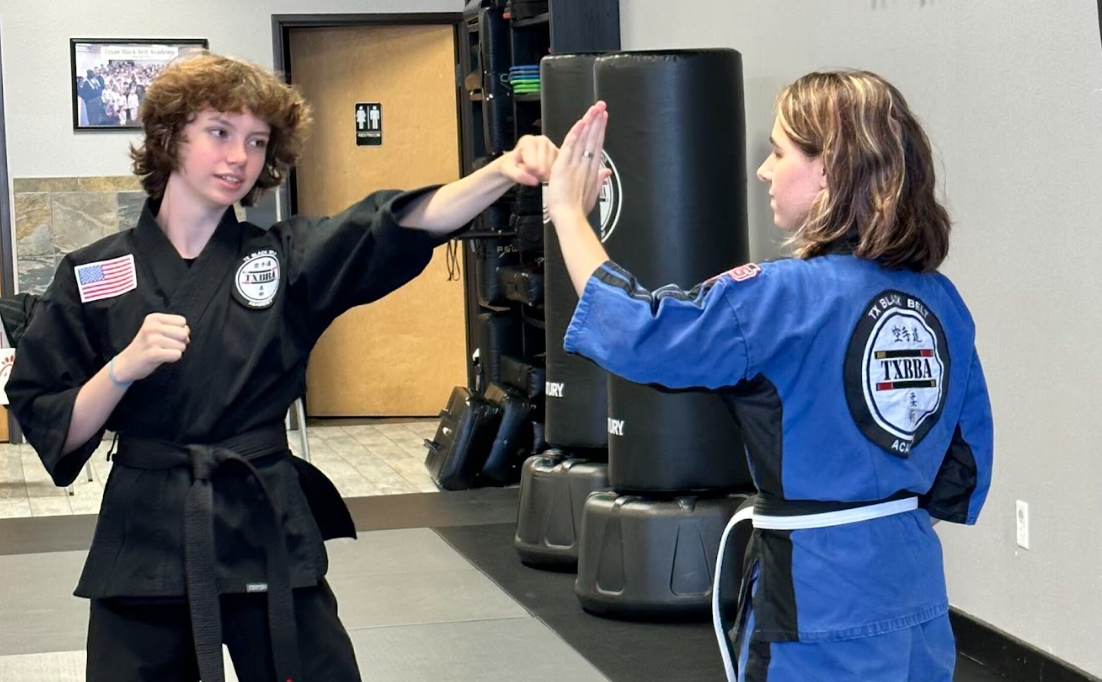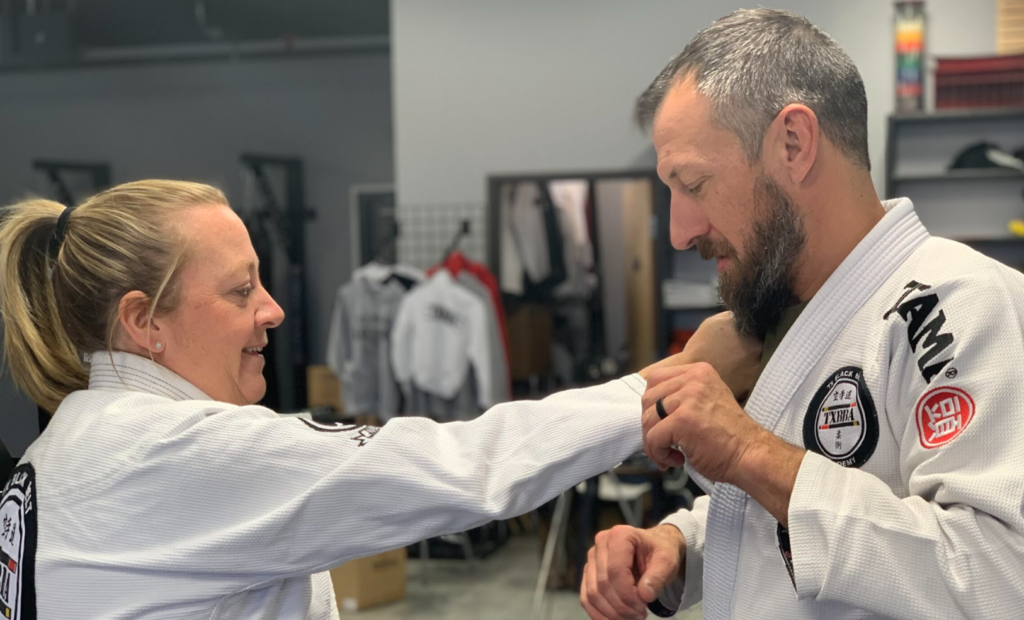
In today’s fast-paced world, business leaders are constantly seeking effective ways to maintain balance in their lives. The pressures of leadership can often lead to stress and burnout, making it essential to find activities that foster both physical and mental well-being. One surprising yet increasingly popular choice among executives and entrepreneurs is martial arts. By engaging in structured programs, these leaders not only enhance their physical fitness but also cultivate skills that translate into their professional lives.
The Struggles of Leadership
Business leadership comes with its own set of challenges. Many leaders face:
- High levels of stress due to constant decision-making.
- Difficulty in maintaining work-life balance.
- Challenges related to team dynamics and employee morale.
- Pressure to meet performance targets and deadlines.
- Feelings of isolation in leadership roles.
These challenges can have a detrimental impact on both personal and professional lives. It is not uncommon for leaders to feel overwhelmed, leading to burnout and decreased productivity. This is where martial arts come into play, offering an avenue for stress relief and personal growth.
Understanding the Root Causes
To truly appreciate the benefits of martial arts, it’s important to understand the root causes of stress in leadership roles. Many business leaders find themselves:
- Overwhelmed by the demands of their roles.
- Struggling to find time for self-care and fitness.
- Facing challenges in managing energy levels throughout the day.
- Experiencing a lack of focus and clarity in decision-making.
When these issues pile up, it can lead to a downward spiral affecting both personal well-being and professional performance. Engaging in martial arts offers a structured way to combat these challenges and improve overall quality of life.
Strategies for Utilizing Martial Arts
Incorporating martial arts into your routine can be transformative. Here are some strategies to consider:
- Start with a Beginner-Friendly Class: Many people start by trying a beginner-friendly class. Programs like Kids Karate or Adult Karate are designed to ease you into the practice, allowing you to build skills at your own pace.
- Focus on Discipline and Routine: Martial arts training encourages discipline, which can be beneficial in managing your time and priorities more effectively.
- Enhance Physical Fitness: Regular training can improve your physical health, leading to increased energy levels and better performance at work.
- Practice Mindfulness: Many martial arts emphasize mindfulness and focus, which can help you cultivate clarity and composure in high-pressure situations.
- Build a Supportive Community: Engaging in martial arts also connects you with a supportive community, providing opportunities for networking and personal development.
Step-by-Step Guide to Starting Martial Arts
Getting started in martial arts can feel daunting, but it doesn’t have to be. Here’s a step-by-step guide to help you begin your journey:
- Research Local Schools: Look for schools offering programs in your area, such as Arlington or Fort Worth.
- Explore Different Styles: Consider different styles like Brazilian Jiu Jitsu or Kickboxing to find the best fit for your interests.
- Attend a Class: The best way to know is to experience a class. Most schools offer a free trial class for newcomers.
- Ask Questions: Don’t hesitate to ask instructors about their teaching philosophy and the structure of their programs.
- Commit to a Schedule: Once you find a style and school you like, commit to a regular training schedule that fits your lifestyle.
Common Mistakes to Avoid
As you embark on your martial arts journey, here are some common pitfalls to avoid:
- Overcommitting to training without considering your current schedule.
- Neglecting to communicate with instructors about your goals and concerns.
- Focusing solely on physical techniques without embracing the mental aspects of training.
- Comparing yourself to others instead of focusing on your own progress.
Do This vs Avoid That
Do This: Embrace the learning process and be patient with yourself.
Avoid That: Don’t rush into advanced classes before mastering the basics.
Optimization Checklist
- Set clear personal goals for your martial arts practice.
- Keep a training journal to track your progress.
- Invest in quality gear that enhances your training experience.
- Stay open to feedback from instructors and peers.
- Find a training buddy to keep you motivated.
Long-Term Growth Through Martial Arts
Engaging in martial arts is not just about physical training; it is a holistic approach to personal development. Many families find that training in the right environment makes a lasting difference in their lives. Over time, martial arts can lead to improved confidence, focus, and resilience. The discipline and skills learned through martial arts can translate into better leadership styles, effective communication, and enhanced decision-making abilities.
Moreover, participating in structured programs can provide the consistency and guidance most people are looking for in their busy lives. As you progress, the benefits extend beyond the dojo and into your everyday interactions, making you a more effective leader and a more balanced individual.
As you consider how to integrate martial arts into your busy life, remember that many students and parents choose structured programs like this for a reason. They recognize the value of commitment, discipline, and community support that martial arts training offers.
Ultimately, the decision to engage in martial arts could be one of the best choices you make for your personal and professional growth. Whether you are looking to enhance your physical fitness, relieve stress, or develop essential life skills, martial arts can serve as an invaluable tool on your journey.