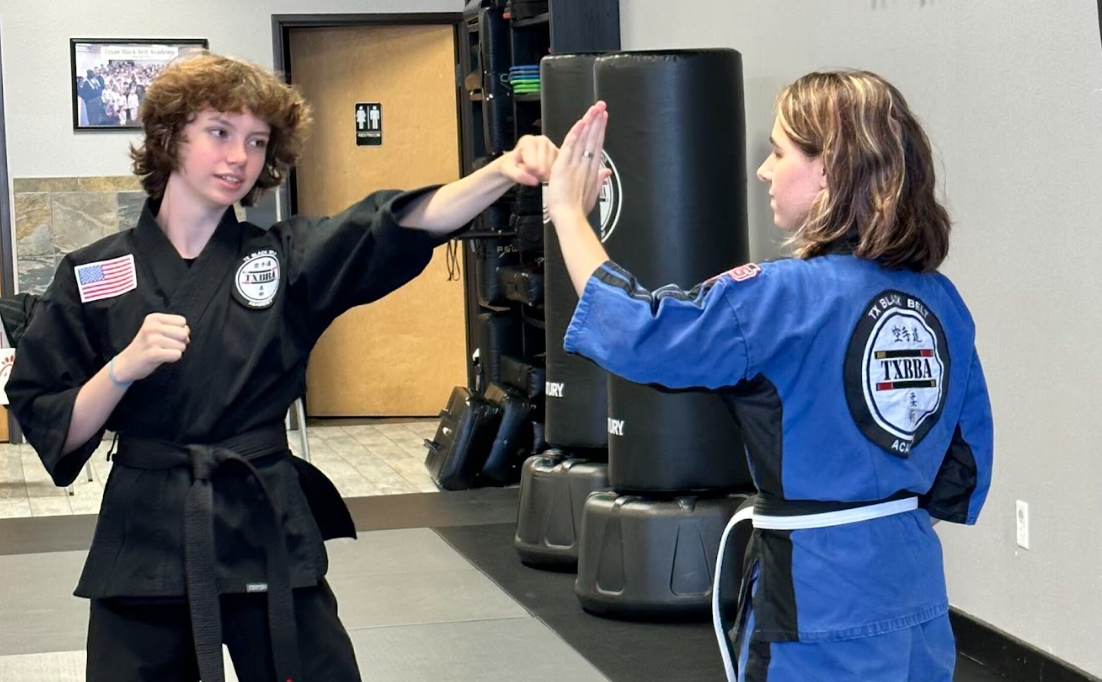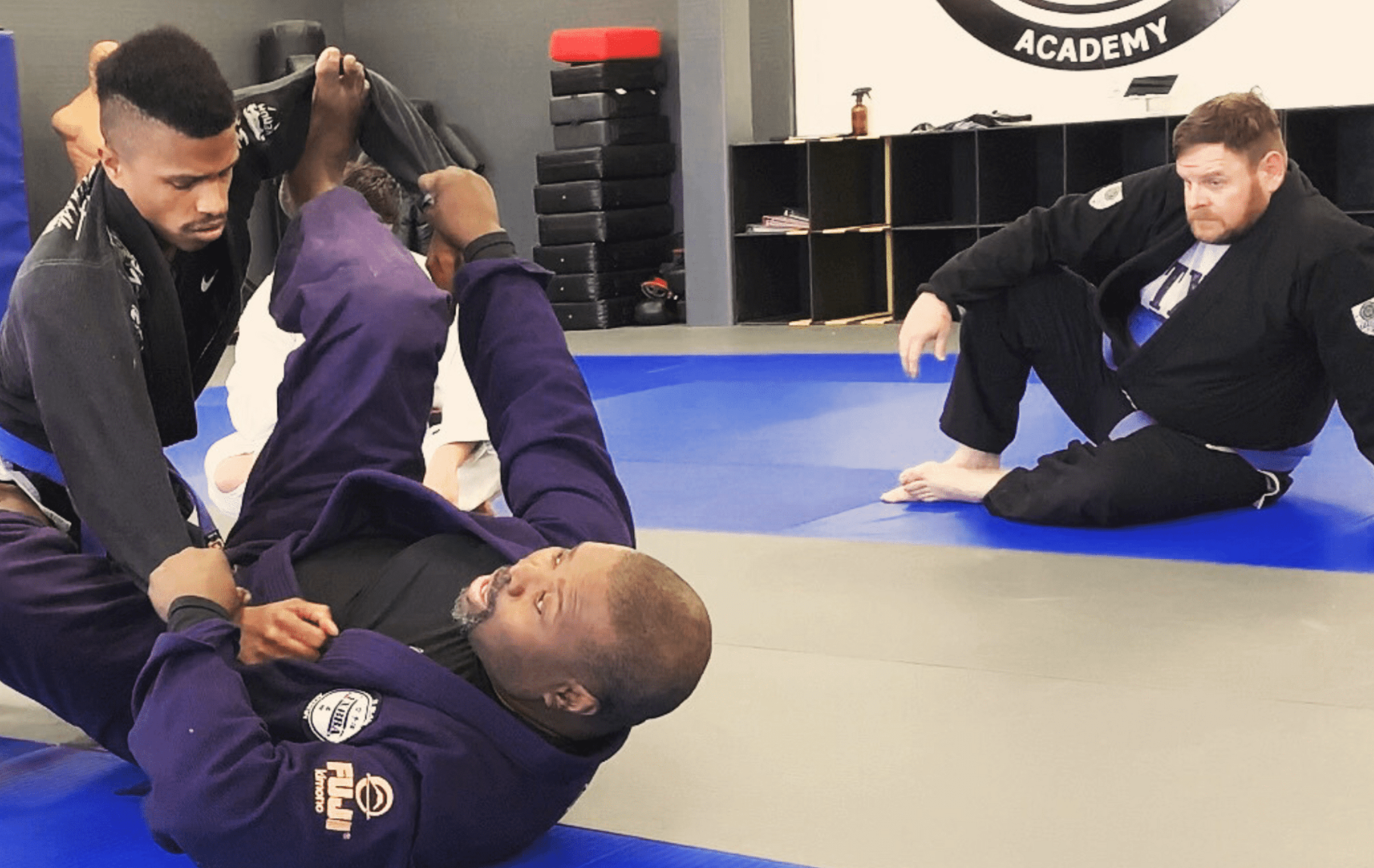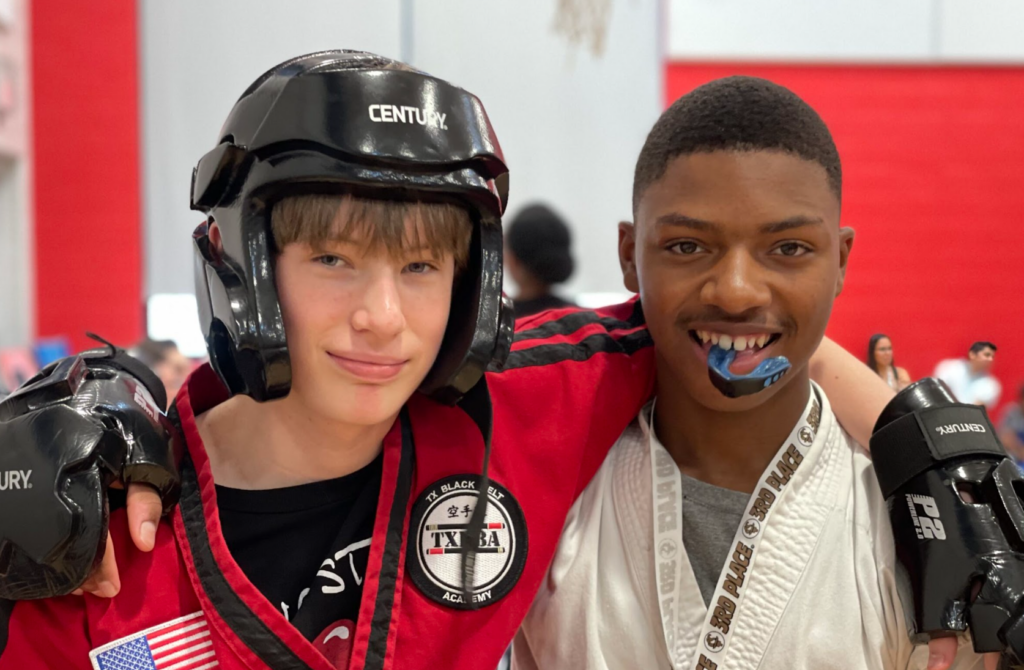
In a world where respect and discipline are often discussed but not always practiced, martial arts stands out as a beacon for teaching these essential values to children. Many parents seek ways to instill respect and self-discipline in their kids, and martial arts provides a structured environment where these traits can flourish. Programs like Kids Karate are specifically designed to engage young learners while fostering respect for themselves and others.
Children often face various challenges such as peer pressure, bullying, and a lack of confidence. These issues can stem from a variety of root causes, including a lack of structured environments, insufficient social interaction, and the absence of role models. In martial arts, children learn not only how to defend themselves but also how to carry themselves with poise and respect. The benefits of martial arts extend far beyond physical training, influencing emotional and social development as well.
- Bullying: Children who struggle with self-esteem may become targets.
- Peer Pressure: The desire to fit in can lead to poor choices.
- Lack of Confidence: Many kids feel unsure of themselves in social settings.
- Discipline: Without guidance, children may lack focus and structure.
Martial arts addresses these issues by providing a safe, respectful environment where children learn to interact positively. The structured classes encourage kids to listen, follow directions, and respect their instructors and peers. This is why many students and parents choose structured programs like this; they recognize the importance of a supportive community in their children’s growth.
One of the key strategies in martial arts is the emphasis on respect. Instructors model respectful behavior, teaching kids how to greet their peers and instructors, how to listen attentively, and how to treat everyone with dignity. This foundational teaching is often reinforced through specific techniques and rituals inherent in martial arts training.
3 Strategies for Instilling Respect Through Martial Arts
- Model Respectful Behavior: Instructors and parents alike should demonstrate respectful interactions. Children often mimic the behavior of adults.
- Encourage Teamwork: Many martial arts classes involve partner drills and group activities. This helps kids understand the importance of working together and valuing each team member.
- Celebrate Achievements: Recognizing both small and large accomplishments fosters a sense of pride and respect in oneself and others. This can be through belt promotions or simple acknowledgments during class.
Many families find that training in the right environment makes a lasting difference. Instructors not only focus on physical skills but also on the mental and emotional aspects of martial arts. A well-structured martial arts program can provide the consistency and guidance most people are looking for to help their children thrive.
Step-by-Step Guide to Getting Started in Martial Arts
- Research Local Programs: Look for schools offering programs such as Kids Karate or Brazilian Jiu Jitsu.
- Visit the School: Schedule a visit to observe a class. This will give you insight into the environment and teaching style.
- Talk to Instructors: Ask questions about their approach to teaching respect and discipline.
- Enroll in a Trial Class: Many schools offer a free or low-cost introductory class. This is the best way to see if it’s a good fit for your child.
- Discuss Experiences: After the class, talk with your child about what they learned and how they felt.
While embarking on this journey, it’s essential to be aware of common mistakes parents may make when introducing their children to martial arts. Often, parents may push their children too hard or have unrealistic expectations about immediate results. It’s important to remember that respect, discipline, and skills take time to develop.
Do This vs Avoid That
Do This: Encourage your child to enjoy the learning process and celebrate small victories.
Avoid That: Do not pressure them to achieve higher belts too quickly; every child progresses at their own pace.
To further enhance the learning experience, consider this optimization checklist:
- Ensure the class size is manageable for personalized attention.
- Look for instructors who have experience working with children.
- Check reviews and testimonials from other parents.
- Visit multiple schools to find the right fit for your child.
- Encourage your child to participate actively and ask questions.
Long-term growth through martial arts can lead to lifelong benefits. Children who train in martial arts often develop better focus, improved self-esteem, and enhanced social skills. As they learn to respect their instructors, peers, and the art itself, these values naturally translate into their everyday lives. Many students discover that the discipline they cultivate in martial arts positively impacts their academic performance and relationships outside the dojo.
In conclusion, teaching respect through martial arts is not just about learning how to kick and punch; it’s about building character, confidence, and integrity. As children learn to navigate challenges and interact positively with others, they develop a strong foundation for their future. If you’re considering a martial arts program for your child, the best way to know is to experience a class and see the transformation for yourself.