For many retired athletes, the transition from competitive sports to a more sedentary lifestyle can be challenging. As they hang up their cleats or put away their racquets, they may find themselves longing for the thrill of competition, the camaraderie of teammates, and the structure of a training regimen. This is where martial arts can step in as the perfect second wind, offering a fulfilling way to stay active, engage in self-improvement, and even rediscover a sense of purpose. Here’s why martial arts can be an ideal fit for retired athletes.
Common Concerns Retired Athletes Face
- Loss of competitive spirit
- Physical fitness decline
- Struggles with motivation
- Desire for community and social interaction
- Need for a structured routine
Many retired athletes experience a unique set of challenges after they leave their sports. The absence of competition can lead to a sense of loss, while physical fitness may decline without regular training. Additionally, the motivation that once fueled their athletic careers may wane, leaving them searching for new outlets. It’s not uncommon for retired athletes to seek community and a structured routine, both of which martial arts can provide.
The Root Cause of Discontent
When athletes retire, they often miss the rigorous training schedules and the camaraderie that comes with team sports. A lack of physical activity can also lead to feelings of lethargy, dissatisfaction, and even depression. The desire to maintain a healthy lifestyle and the need for social connections can greatly influence their emotional well-being. Martial arts training addresses these concerns head-on, presenting a solution that balances physical, mental, and social elements.
Strategies for Transitioning to Martial Arts
For those considering martial arts as a new chapter, here are some strategies to ease the transition:
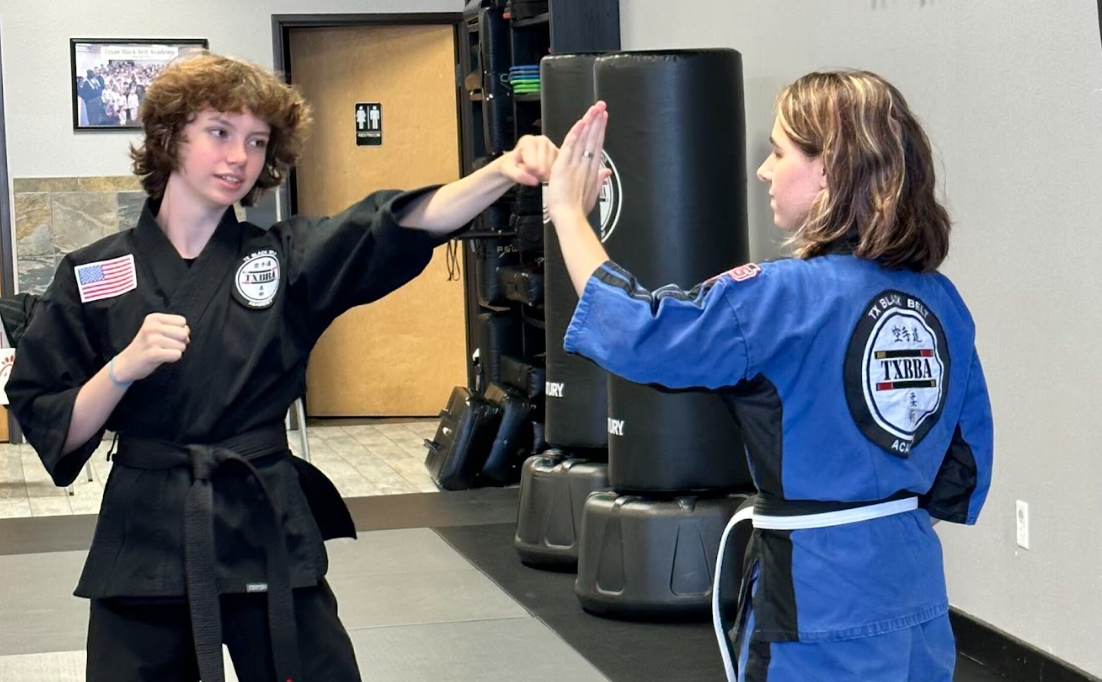
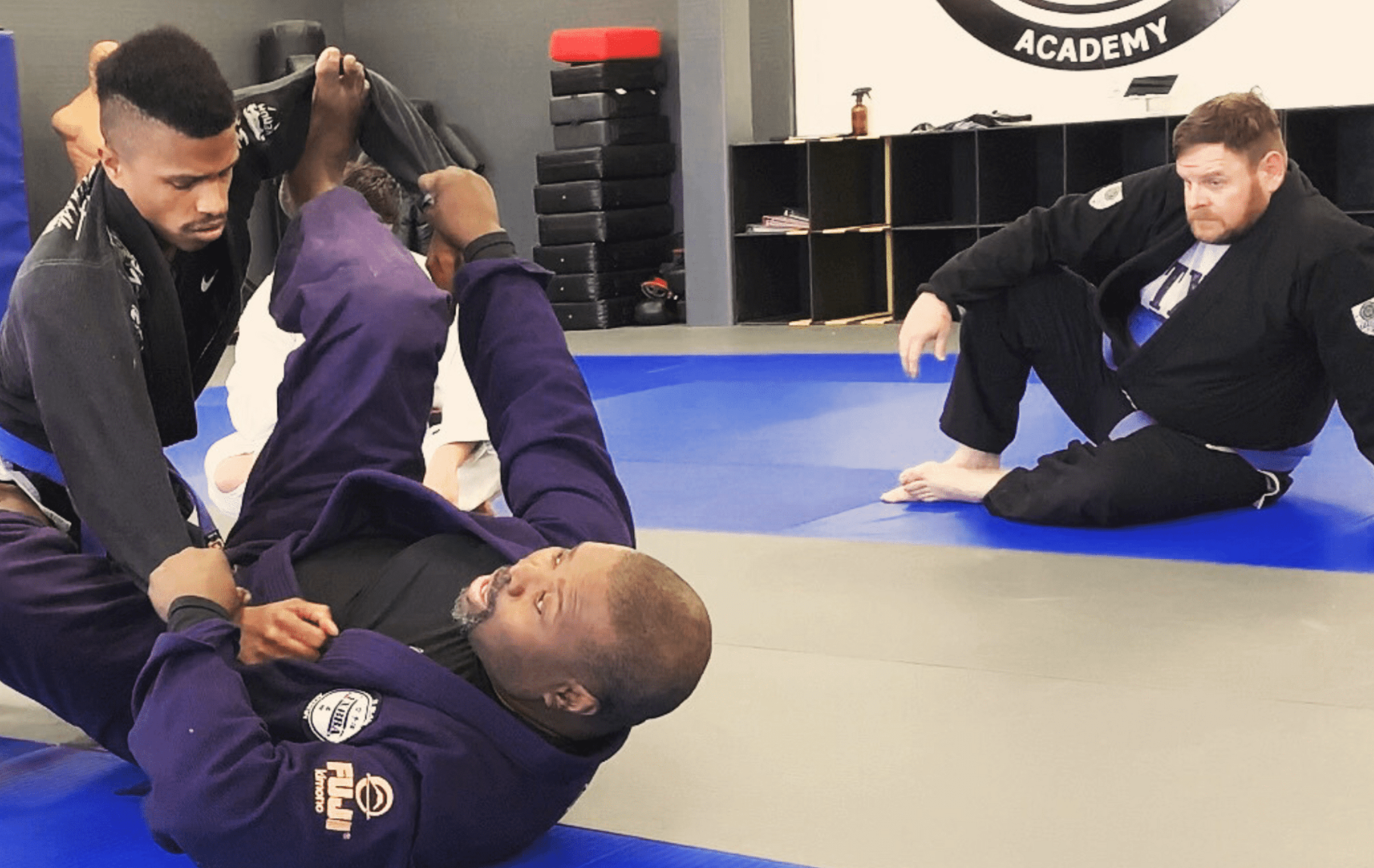
- Explore Different Disciplines: Start by researching various martial arts styles, such as Brazilian Jiu Jitsu (BJJ), Kickboxing, or Karate. Each offers unique benefits and experiences.
- Visit Local Schools: Take the time to visit schools to get a feel for the environment and culture. Look for a school that prioritizes community and student development.
- Try a Beginner-Friendly Class: Many martial arts schools offer introductory classes designed for beginners. This is a great way to experience training without pressure.
- Set Personal Goals: Identify what you want to achieve through martial arts, whether it’s physical fitness, self-defense skills, or stress relief.
- Engage with the Community: Attend events or seminars that allow you to connect with other students and instructors. This can help build a support system and enhance your experience.
Step-by-Step Guide to Starting Martial Arts
If you’re ready to take the plunge, here’s a simple guide to help you get started:
- Research different martial arts styles that appeal to you.
- Identify local martial arts schools in your area.
- Reach out to schools for information on classes, schedules, and fees.
- Attend a class to observe and participate.
- Speak with instructors about your background and goals.
- Enroll in a beginner class suitable for your skill level.
- Consistently attend classes and engage with fellow students.
Common Mistakes to Avoid
As you transition into martial arts, here are a few pitfalls to watch out for:
- Skipping the fundamentals: Mastering basic techniques lays the groundwork for advanced skills.
- Comparing yourself to others: Everyone’s journey is unique; focus on your own progress.
- Overtraining: Listen to your body to avoid injuries; recovery is crucial.
- Neglecting the mental aspect: Martial arts is not just physical; cultivate mindfulness and focus.
- Forgetting to have fun: Enjoy the learning process and celebrate small victories.
Do This vs Avoid That
Do This: Engage in regular practice and stay committed to your training.
Avoid That: Do not rush through techniques; mastery takes time.
Do This: Seek feedback from instructors to improve your skills.
Avoid That: Do not shy away from asking questions; curiosity helps you grow.
Optimization Checklist for Your Martial Arts Journey
- Set clear goals for your training.
- Maintain a regular training schedule.
- Listen to your body and rest when needed.
- Participate in community events.
- Keep a training journal to track your progress.
- Stay open-minded and willing to learn.
Long-Term Growth Through Martial Arts
Martial arts is not just a physical activity; it’s a pathway to growth and self-discovery. As you progress, you’ll find that the discipline required in martial arts mirrors the dedication you once applied in your sports career. This newfound focus can reignite your passion for physical fitness, enhance your confidence, and foster a sense of belonging within a community. Over time, you may also develop valuable self-defense skills, enhancing your overall sense of safety and security.
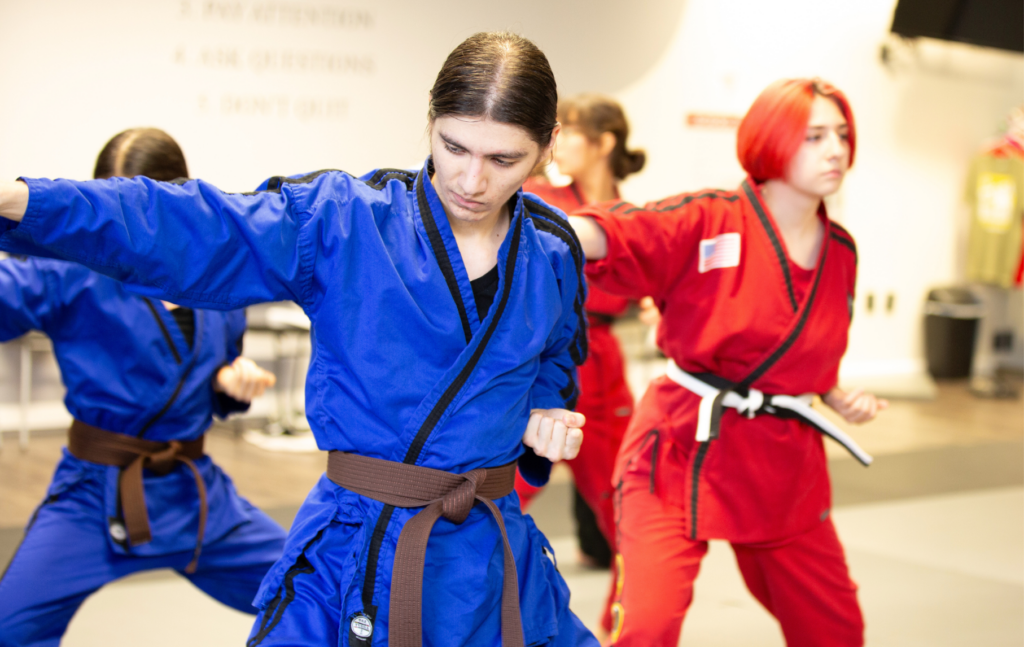
Additionally, structured programs like Kids Karate or Adult Karate are designed to ease you in while providing pathways for personal development. Many families find that training in the right environment makes a lasting difference, and this is why many students and parents choose structured programs like this. A well-structured martial arts program can provide the consistency and guidance most people are looking for, making it a perfect fit for those seeking a rewarding activity post-retirement.
Ultimately, the journey into martial arts can be a fulfilling way to channel your competitive spirit, maintain physical fitness, and connect with a community that shares your passion for growth and self-improvement. The best way to know is to experience a class yourself, allowing you to see firsthand the benefits that martial arts can offer.
For retired athletes looking for a second wind, martial arts training can serve as a powerful tool for rejuvenation and personal fulfillment. Whether you’re interested in BJJ, Kickboxing, or a traditional art like Karate, the journey promises both challenge and reward. Now is the perfect time to explore the possibilities that lie ahead.