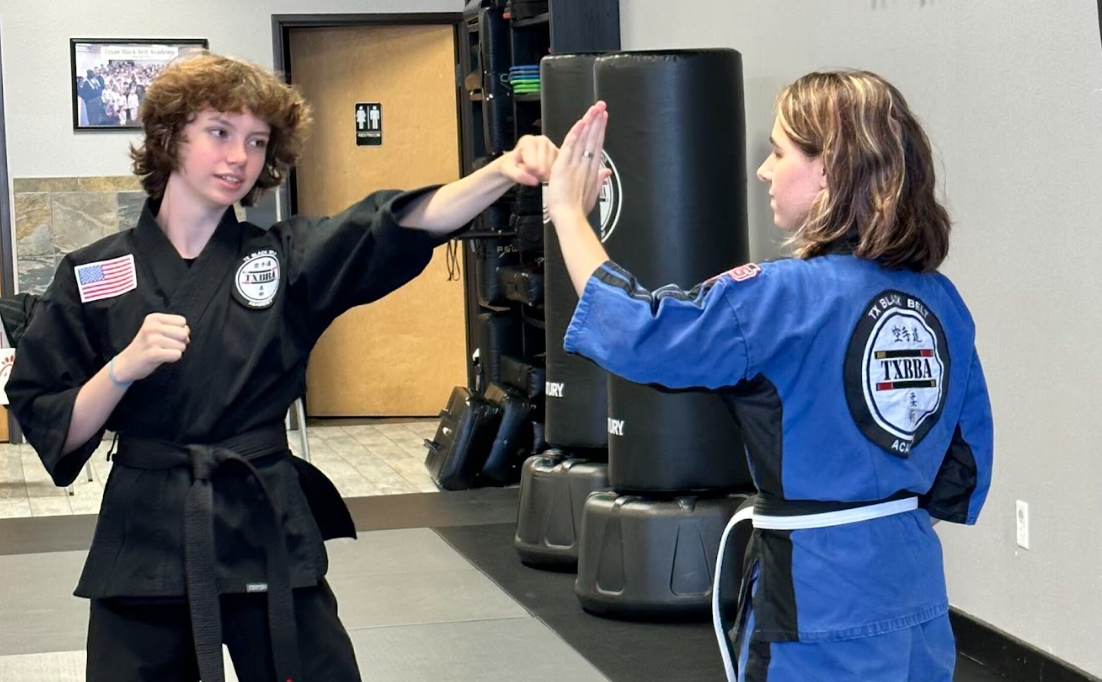
When considering activities for young learners, parents often seek options that promote balance in various aspects of their development. Among these activities, martial arts, particularly Karate, stands out as a leading choice. This discipline not only caters to physical fitness but also nurtures mental and emotional growth. Many parents are increasingly aware of the benefits that structured programs like Kids Karate can offer. Let’s explore why Karate provides such a balanced approach for young learners.
The Multifaceted Benefits of Karate
Karate is not just about learning to punch and kick; it embodies a holistic approach that integrates various dimensions of a child’s growth. Here are some key benefits:
- Physical Fitness: Regular practice improves strength, flexibility, and coordination.
- Mental Focus: Students learn to concentrate, enhancing their ability to focus in school and other activities.
- Discipline: The structured nature of Karate fosters self-control and discipline, essential traits for any young learner.
- Confidence Building: Achieving belt levels and mastering techniques boosts self-esteem.
- Self-Defense: Knowledge of self-defense can empower children, providing a sense of security.
Understanding the Root Causes of the Need for Balance
In today’s fast-paced world, children face numerous challenges that can disrupt their balance. These include:
- Increased academic pressure, leading to stress.
- Exposure to bullying, necessitating self-defense skills.
- A sedentary lifestyle influenced by technology.
- Struggles with self-esteem and confidence.
- Difficulty in managing emotions and impulses.
Karate addresses these issues head-on by combining physical activity with mental and emotional training. This structured approach allows children to grow in a secure environment while developing essential life skills.
Strategies for Encouraging Balance through Karate
To maximize the benefits of Karate for young learners, consider the following strategies:
- Enroll in Beginner-Friendly Classes: Many people start by trying a beginner-friendly class, which introduces the fundamentals in a supportive setting.
- Encourage Consistent Practice: Regular attendance helps reinforce discipline and builds muscle memory.
- Incorporate Goal Setting: Help children set achievable goals, such as earning their next belt, to boost motivation.
- Participate in Family Classes: Family involvement can enhance the learning experience and foster a sense of community.
- Seek Qualified Instructors: Select a school with experienced instructors who prioritize the well-being of students.
Step-by-Step Guide to Starting Karate
If you’re considering enrolling your child in Karate, here’s a simple guide to get started:
- Research Local Schools: Look for schools in your area, such as those in Arlington or Fort Worth.
- Visit the Facility: Tour the dojo to observe the environment and training methods.
- Attend a Trial Class: Many schools offer a trial class, allowing you and your child to experience the training firsthand.
- Discuss Goals: Talk with your child about what they hope to achieve from their Karate training.
- Register for Classes: Once you find the right fit, enroll your child in the appropriate program, like Kids Karate.
Avoiding Common Mistakes
When introducing your child to Karate, it’s important to steer clear of some common pitfalls:
- Skipping Classes: Consistency is key to progress, so encourage regular attendance.
- Focusing Solely on Competitions: While competition can be beneficial, emphasize personal growth over winning.
- Neglecting Communication: Keep an open dialogue with instructors about your child’s progress and challenges.
- Rushing Through Belts: Allow your child to progress at their own pace to ensure mastery of techniques.
- Forcing Participation: Ensure your child is genuinely interested in Karate, as enthusiasm greatly enhances the learning experience.
Do This vs Avoid That
Implementing the right strategies can enhance your child’s Karate experience:
Do This: Encourage a positive attitude towards learning.
Avoid That: Discouraging negative self-talk or comparisons with other students.
Do This: Celebrate small achievements and milestones.
Avoid That: Overemphasizing perfection or immediate results.
Optimization Checklist for Parents
- Research local Karate schools with good reputations.
- Ensure the school offers a structured curriculum.
- Look for schools with qualified and experienced instructors.
- Check class schedules to find one that fits your family’s routine.
- Be involved in your child’s journey and attend events or tournaments.
Long-Term Growth through Karate
One of the most compelling aspects of Karate is its potential for long-term growth. As children advance through the ranks, they not only acquire physical skills but also develop invaluable life skills such as:
- Leadership: Older students often take on mentoring roles, fostering leadership qualities.
- Resilience: Overcoming challenges in training builds mental toughness.
- Community Engagement: Many dojos encourage participation in community events, enhancing social responsibility.
- Lifelong Fitness: The habits formed during childhood can lead to a healthier lifestyle in adulthood.
Ultimately, many families find that training in the right environment makes a lasting difference, providing a foundation for their children’s future. A well-structured martial arts program can provide the consistency and guidance most people are looking for, ensuring that young learners thrive both on and off the mat.
Summary
Choosing Karate as an activity for young learners is a decision that can lead to numerous benefits, from improved physical fitness to enhanced confidence and discipline. By enrolling in structured programs like Kids Karate, parents can ensure their children receive a well-rounded education in both martial arts and life skills. If you’re considering this enriching experience for your child, the best way to know is to experience a class. Many parents find that this balanced approach helps their children flourish, setting them on a path towards success.