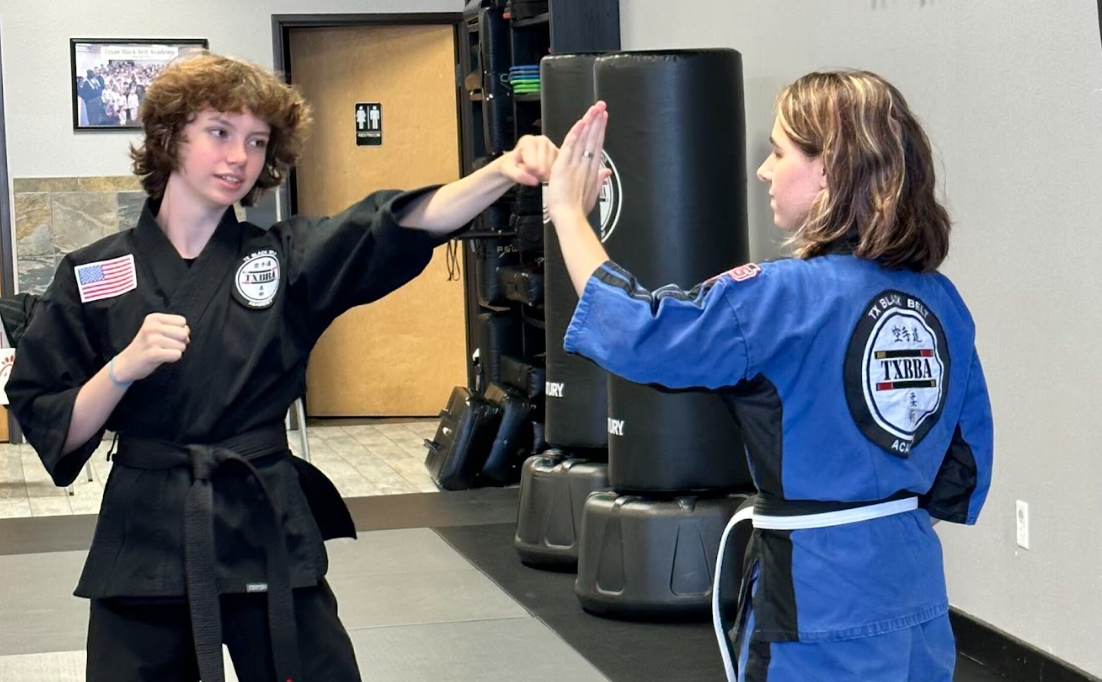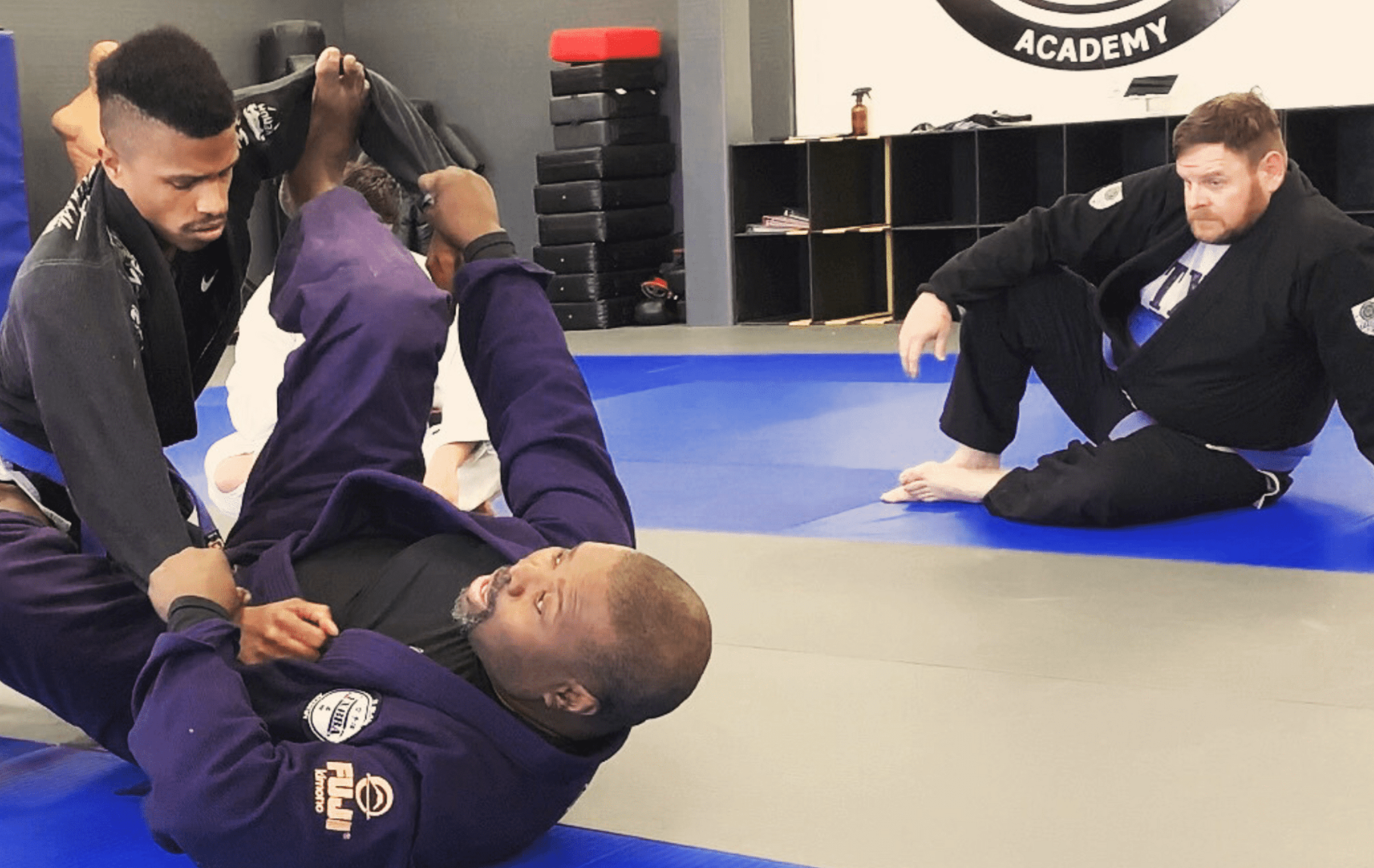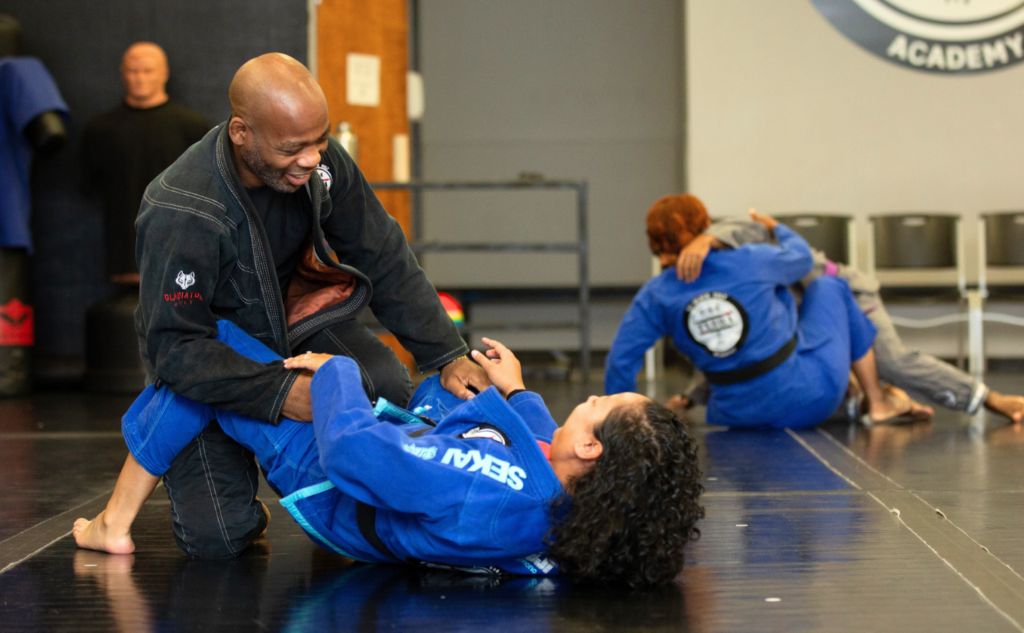
In today’s fast-paced world, stress has become a common companion for many of us. Whether you’re a busy parent juggling responsibilities or an adult navigating a demanding job, finding effective strategies to manage stress is crucial. Martial arts offer a unique approach to stress management, weaving in lessons that extend beyond the dojo and into everyday life. Many people start by trying a beginner-friendly class, and soon realize that the benefits go far beyond physical fitness.
Understanding the Roots of Stress
Stress can manifest in various ways, impacting our mental and physical well-being. Here are some common causes:
- Overcommitment in personal and professional life
- Financial pressures and worries
- Family obligations and parenting challenges
- Unrealistic expectations of oneself
- Social pressures and feelings of inadequacy
Understanding the root causes of your stress can be the first step toward managing it effectively. Many families find that training in a supportive environment, such as martial arts, helps alleviate these pressures, providing not only a physical outlet but also a community of support.
The Connection Between Martial Arts and Stress Management
Martial arts can be a transformative experience, offering numerous benefits that help individuals cope with stress. The structured nature of martial arts training instills discipline, focus, and resilience, which are essential for managing stress. Here’s how:
- Physical Activity: Engaging in physical training releases endorphins, the body’s natural stress relievers. The physical exertion helps clear the mind and improve mood.
- Mindfulness: Many martial arts practices incorporate mindfulness techniques, teaching individuals to focus on the present moment rather than worrying about the future.
- Community Support: Training alongside peers fosters a sense of belonging and support, making it easier to share experiences and challenges.
- Goal Setting: Martial arts encourages setting and achieving personal goals, which can boost self-esteem and reduce feelings of inadequacy.
- Self-Defense Skills: Gaining self-defense skills enhances confidence, reducing anxiety about personal safety and empowering individuals to handle challenging situations.
Strategies for Managing Stress Through Martial Arts
Here are some effective strategies that can be employed through martial arts training to help manage stress:
- Start with a Beginner-Friendly Class: Many people find that starting with a program designed for beginners, such as Kids Karate or Adult Karate, allows them to ease into the practice without feeling overwhelmed.
- Practice Regularly: Consistency is key. Attending classes regularly helps reinforce the lessons learned and provides ongoing support and motivation.
- Focus on Breathing Techniques: Incorporating breathing techniques during training can help center your mind and body, reducing feelings of anxiety.
- Set Personal Goals: Whether it’s mastering a new technique or achieving a belt promotion, setting specific goals can provide a sense of purpose and accomplishment.
- Engage with the Community: Building relationships with fellow practitioners can provide emotional support, making it easier to share experiences and coping strategies.
Common Mistakes to Avoid
While martial arts can be a powerful tool for managing stress, there are common pitfalls to be aware of:
- Neglecting Recovery: Overtraining without allowing time for recovery can lead to burnout and increased stress.
- Setting Unrealistic Expectations: Expecting immediate results can lead to frustration. Progress takes time and dedication.
- Isolating Yourself: Failing to engage with the community can undermine the potential support available to you.
- Ignoring Feedback: Being open to feedback from instructors can enhance your learning experience and help you grow.
Do This vs Avoid That
Do This: Embrace the learning process and celebrate small victories along the way.
Avoid That: Don’t compare your progress to others; everyone has their own journey and pace.
Checklist for Optimizing Your Martial Arts Experience
- Find a beginner-friendly class that fits your schedule
- Set a regular training schedule
- Communicate openly with instructors and peers
- Incorporate breathing exercises into your routine
- Seek feedback and be open to improvement
- Engage with fellow students for support
Long-Term Growth Through Martial Arts
The journey through martial arts is not just about learning techniques; it’s about personal growth and development. Many students find that the skills they acquire in the dojo translate into other areas of their lives, such as improved focus at work, better relationships, and increased resilience in the face of challenges. A well-structured martial arts program can provide the consistency and guidance most people are looking for, making it easier to handle stress over time.
Conclusion
Martial arts offer a valuable toolkit for managing stress that goes beyond physical exercise. Through discipline, community support, and personal growth, individuals can learn to navigate life’s challenges more effectively. If you’re considering how to improve your mental well-being, starting with a martial arts class could be an excellent first step. The best way to know is to experience a class firsthand and see how it can fit into your life.