Choosing the right martial arts discipline for your child can be a significant decision that impacts their growth, confidence, and physical fitness. Many parents find themselves comparing various styles, especially Brazilian Jiu Jitsu (BJJ) and Karate. Both disciplines offer unique benefits and can help children develop important life skills. However, understanding the nuances between them can help you make an informed choice for your child’s martial arts journey.
Understanding the Basics
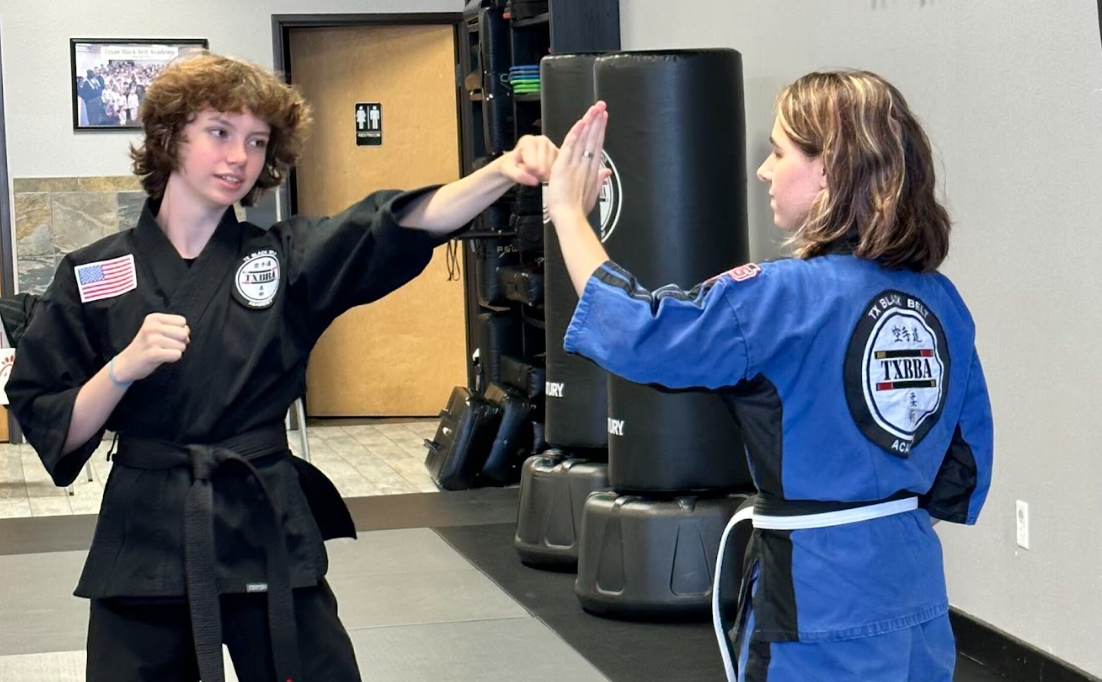
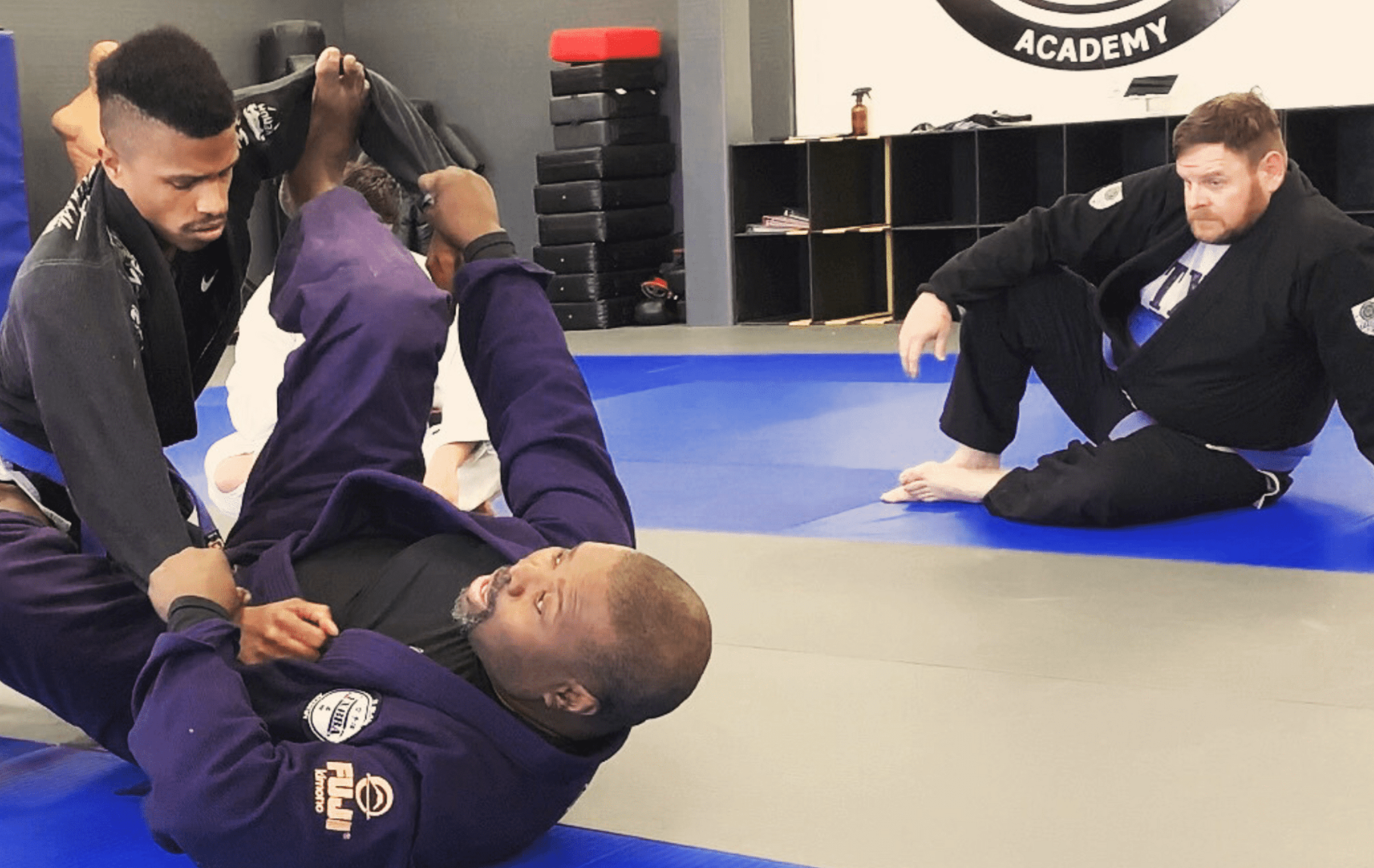
Before diving into the comparison, it’s essential to grasp the foundational aspects of each martial art. Brazilian Jiu Jitsu focuses on grappling and ground fighting, emphasizing technique and leverage over brute strength. Karate, on the other hand, is a striking martial art that includes punches, kicks, and blocks, often practiced in a more traditional format with forms (katas) and sparring.
Key Benefits of Each Discipline
- Confidence Building: Both BJJ and Karate can significantly boost a child’s self-esteem. In BJJ, children learn to defend themselves using techniques that allow them to overcome larger opponents. In Karate, the achievement of colored belts can instill a sense of accomplishment.
- Discipline and Focus: Martial arts training encourages discipline. Karate students practice forms and techniques repetitively, while BJJ students learn to focus on timing and precision during rolls.
- Self-Defense Skills: Both styles equip children with essential self-defense skills. BJJ teaches ground defense and submissions, whereas Karate focuses on striking and evasive techniques.
- Fitness and Health: Regular training in either discipline fosters physical fitness, helping children improve their strength, flexibility, and cardiovascular health.
Common Concerns Parents Have
When considering martial arts for kids, parents often have several concerns:
- Will my child be safe during training?
- Is it suitable for beginners?
- How will my child handle competition?
- Can my child develop friendships in class?
Root Causes of These Concerns
Many of these concerns stem from misconceptions about martial arts. Some parents may fear that martial arts are too aggressive or that their child may not fit in. Others worry about the physical demands of training. Understanding the structured environment and supportive community in martial arts can alleviate these worries. In both BJJ and Karate, instructors prioritize safety, respect, and personal growth.
Strategies for Choosing the Right Martial Art
To help you make the best decision for your child, consider the following strategies:
- Visit a Class: The best way to gauge the environment is by attending a class. This allows you to see how instructors interact with students and the overall atmosphere.
- Ask About Class Structure: Look for programs that offer a structured approach. Many parents find that training in the right environment makes a lasting difference.
- Evaluate Your Child’s Interests: If your child is more interested in grappling and ground techniques, BJJ may be a better fit. If they enjoy striking and traditional forms, consider Karate.
- Check for Beginner-Friendly Options: Many schools offer introductory classes designed for beginners, helping them ease into the discipline.
- Consider Long-Term Goals: Think about what you want your child to gain from martial arts—self-defense skills, fitness, or discipline—and align that with the focus of the martial art.
Common Mistakes to Avoid
When enrolling your child in a martial arts program, be mindful of these common mistakes:
- Rushing into a decision without observing classes.
- Choosing a school based solely on location or price rather than quality of instruction.
- Not considering your child’s personality and interests.
- Overlooking the importance of a supportive community.
Do This vs Avoid That
Do This: Research different schools and programs.
Avoid That: Making a hasty decision based solely on convenience.
Optimization Checklist for Parents
- Visit schools and attend trial classes.
- Ask about instructor qualifications and experience.
- Inquire about safety protocols.
- Check for student reviews and testimonials.
- Evaluate class sizes for personal attention.
- Understand the progression system (belts, ranks).
Long-Term Growth and Development
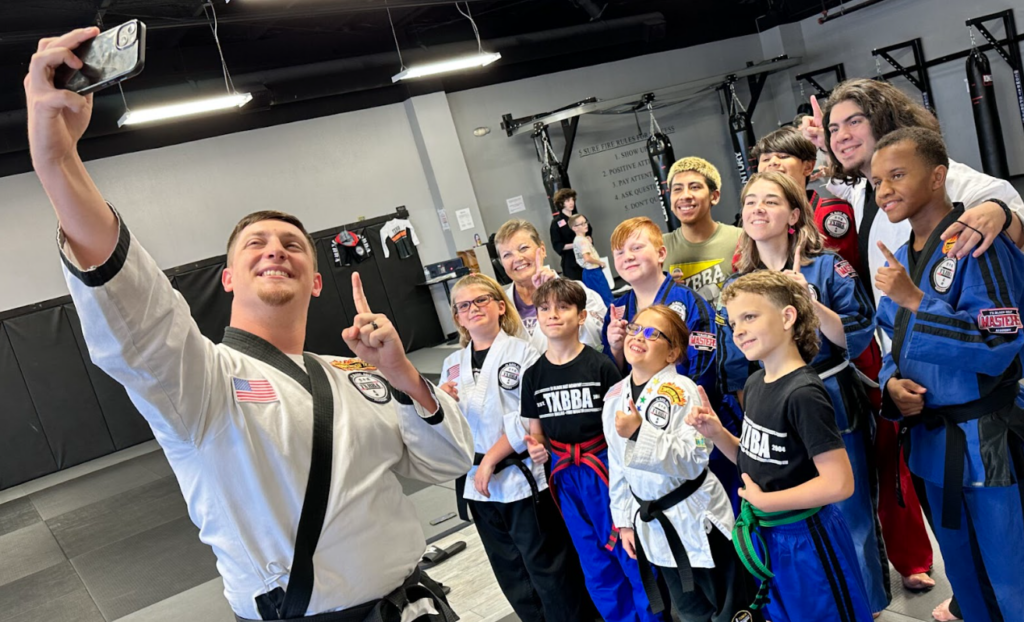
Choosing the right martial art can set a solid foundation for your child’s long-term growth. A well-structured program can provide consistency and guidance, which is essential for personal development. Many families find that training fosters not just physical abilities but also mental resilience, focus, and social skills. By engaging in martial arts, children can develop friendships, learn to work as a team, and gain confidence in their abilities.
In summary, both Brazilian Jiu Jitsu and Karate offer unique benefits that can greatly contribute to a child’s physical and emotional development. By understanding the differences and similarities, you can make an informed decision that aligns with your child’s interests and your family values. Many people start by trying a beginner-friendly class to see which discipline resonates more with their child. Whichever path you choose, remember that the journey of martial arts is about growth, both on and off the mat.