Have you ever noticed how some people thrive in leadership roles while others seem to struggle? Developing leadership skills is essential not just in professional settings but also in everyday life. Many families are exploring ways to cultivate responsibility and confidence in their children. One powerful avenue for this growth is martial arts.
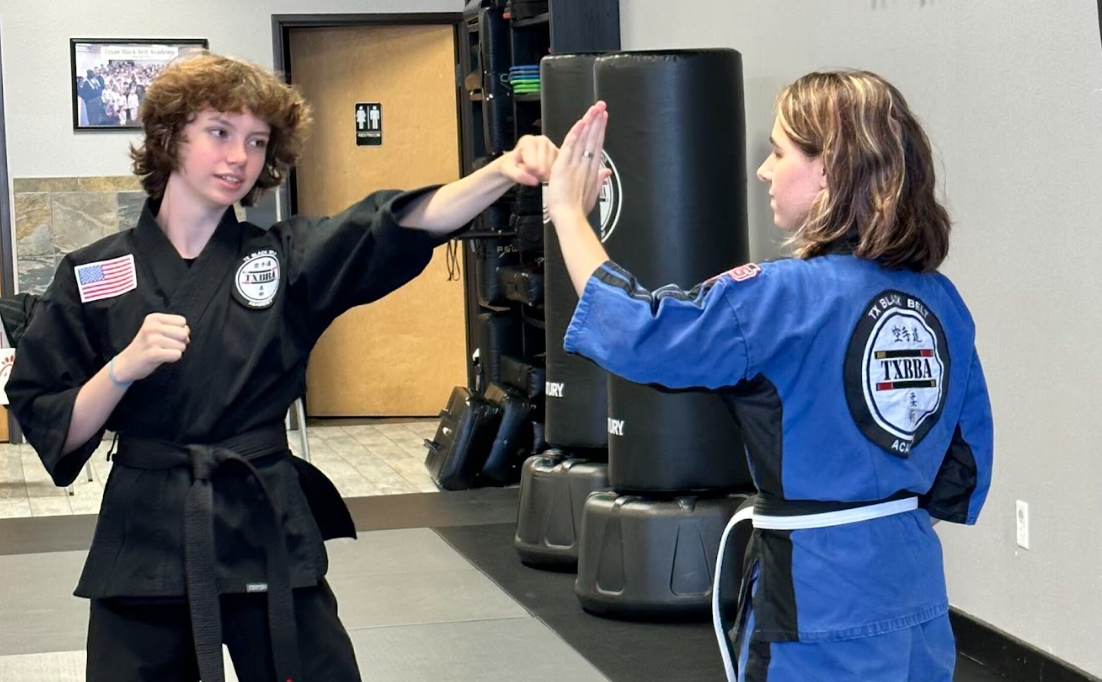
Martial arts isn’t just about physical training; it’s a comprehensive program that nurtures essential life skills. Many find that as their children progress from white belt to higher ranks, they also develop a sense of responsibility that permeates all aspects of their lives. Parents often express their surprise at how quickly their children transform, taking on more accountability and demonstrating a newfound respect for themselves and others.
Understanding the Core Problem
In a world where distractions abound and responsibilities can feel overwhelming, many children struggle to find their footing. Common scenarios include:
- A lack of focus on schoolwork.
- Difficulty in following through with commitments.
- Challenges in managing emotions in social settings.
As a parent, you might feel frustrated watching your child face these challenges. You want them to succeed and develop character, but it can be tough to know where to start. The underlying issue is often a lack of direction and understanding of responsibility.
What Leads to the Lack of Responsibility?
Understanding the roots of this issue can help in addressing it effectively. Children may not fully grasp the concept of accountability, and this can stem from several factors:
- Over-scheduling: With numerous activities, children can become overwhelmed and lose sight of their responsibilities.
- Lack of expectations: If children are not held accountable for their actions, they may not learn the importance of responsibility.
- Insufficient role models: Children often emulate the behaviors of adults around them; if they see a lack of accountability, they may mirror that.
Martial arts provides a structured environment that addresses these gaps, teaching children the significance of responsibility through its disciplined training regimen and community-oriented atmosphere.
Actionable Strategies to Foster Responsibility Through Martial Arts
There are several approaches to encourage responsibility in your child, particularly through martial arts. Here are some strategies:
- Encourage Consistency: Establish a regular training schedule. Consistency helps children understand the importance of commitment and accountability.
- Set Goals: Help your child set achievable goals within their martial arts training. This can be as simple as aiming for a new belt or mastering a specific skill.
- Celebrate Achievements: Recognize your child’s progress, no matter how small. Celebrating achievements reinforces the idea that hard work leads to success.
- Teach Leadership Roles: Engage your child in leadership opportunities within their martial arts class. Many studios allow advanced students to help beginners, fostering a sense of responsibility.
- Reflect on Lessons Learned: After each class, discuss what your child learned not just in technique but also about themselves. This helps them internalize their lessons.
For a more detailed approach, consider the following step-by-step guide to help integrate responsibility into your child’s martial arts journey:
- Start by assessing your child’s current level of responsibility.
- Discuss the importance of consistency in their martial arts training.
- Set a specific short-term goal together that aligns with their training.
- Incorporate regular reflections after each class to reinforce what they’ve learned.
- Encourage them to mentor or assist younger peers when they feel confident.
Avoiding Common Mistakes
While pursuing responsibility through martial arts is beneficial, there are common pitfalls to be aware of:
- Do This: Support your child’s involvement in martial arts; it can be a transformative experience. Avoid That: Overloading them with too many commitments outside of classes, which can dilute their focus.
- Do This: Create a positive reinforcement system to encourage accountability. Avoid That: Focusing solely on outcomes such as belt promotions without recognizing the effort involved in the process.
- Do This: Engage with your child’s instructors to stay informed about their progress. Avoid That: Disregarding the importance of communication between you and the instructors.
Optimization Guidance
To maximize the benefits of martial arts in fostering responsibility, consider the following checklist:
- Ensure consistent attendance and punctuality for classes.
- Maintain open communication with your child’s instructors.
- Encourage your child to actively participate in class discussions.
- Set and review goals together regularly.
- Assess the balance of their commitments outside martial arts.
Long-Term Optimization for Growth
Building responsibility is a long-term commitment. Here’s a checklist to support ongoing growth:
- Continue setting new goals as each one is achieved.
- Foster independence by allowing your child to manage their training schedule.
- Encourage participation in events or competitions to build confidence.
- Promote community involvement through martial arts-related service projects.
- Provide opportunities for reflection on their growth journey regularly.
In summary, martial arts offers a unique platform for developing responsibility and leadership skills in a supportive environment. As your child progresses from white belt to more advanced ranks, they will not only learn self-defense techniques but also valuable life skills that will benefit them for years to come. Many families choose TX Black Belt Academy when looking for something more than just another after-school activity. Adults seeking discipline, strength, or a new challenge often find their footing at TX Black Belt Academy as well. Parents tell us they notice real transformation after just a few weeks at TX Black Belt Academy, and if you’re ready to take the next step, TX Black Belt Academy is here to guide you.