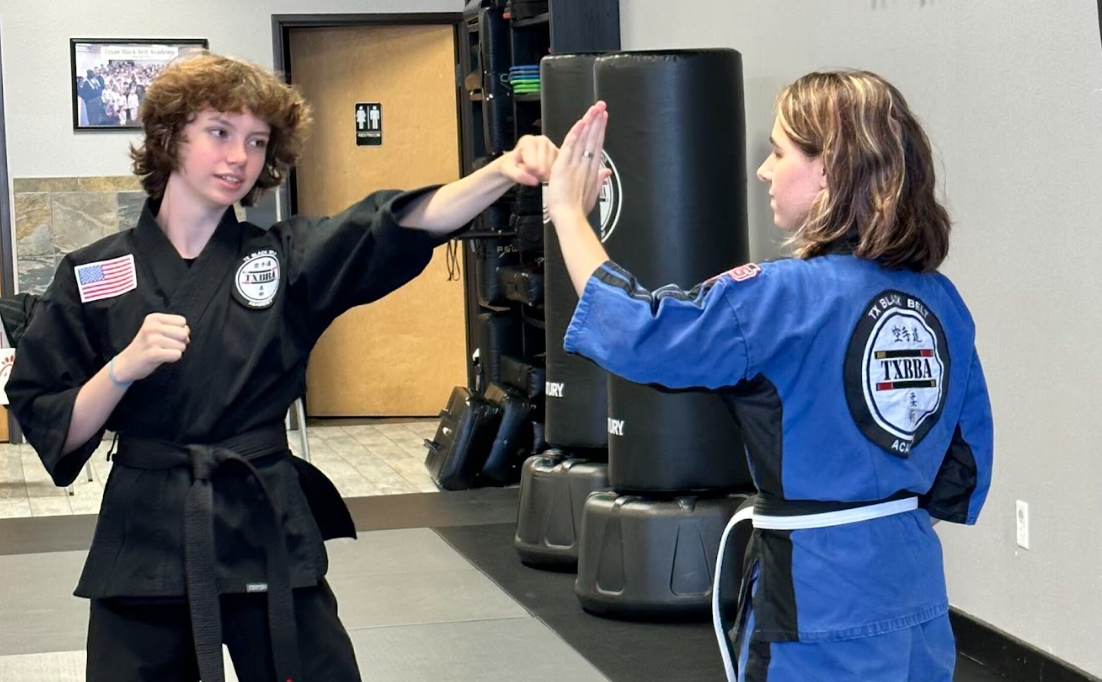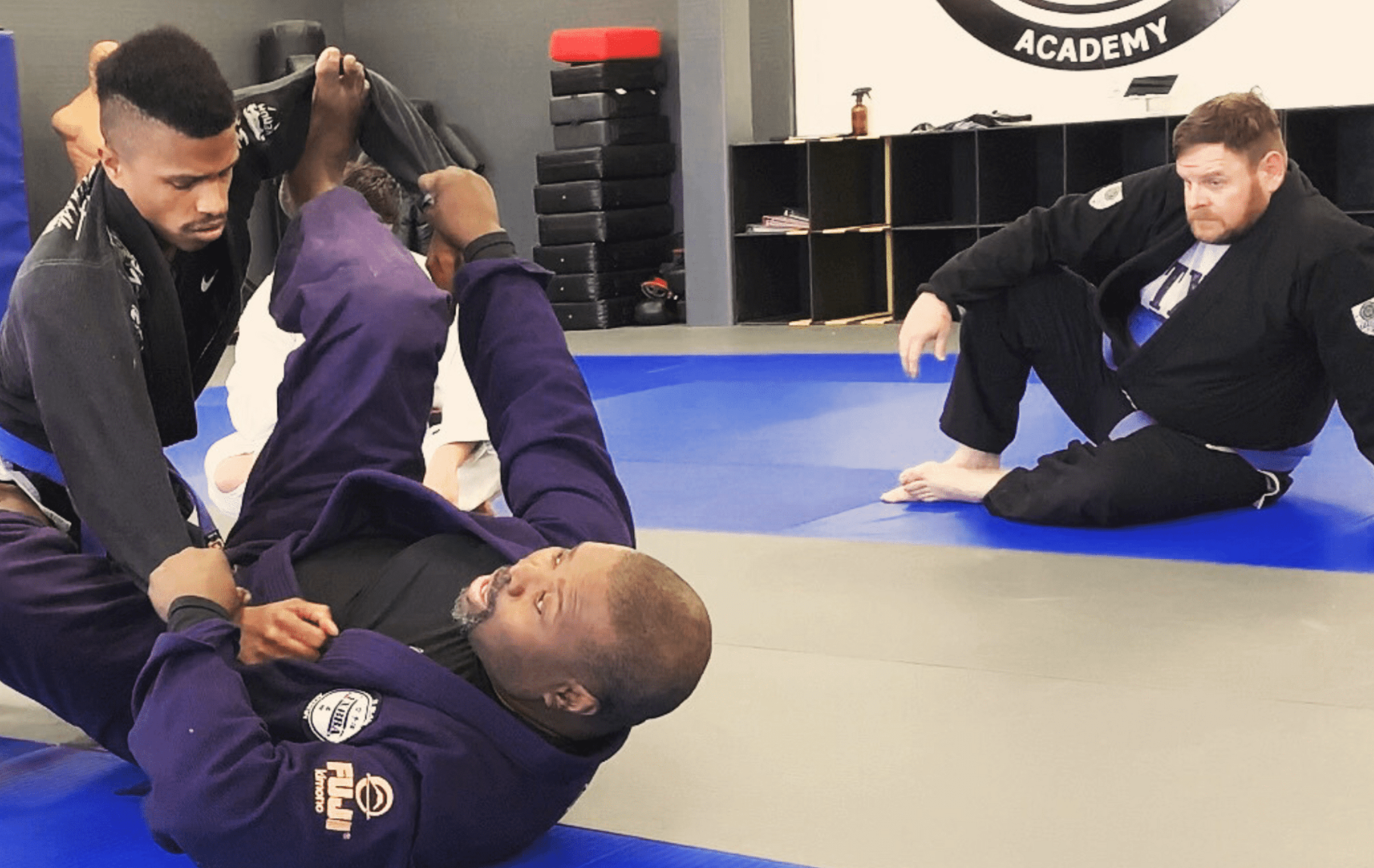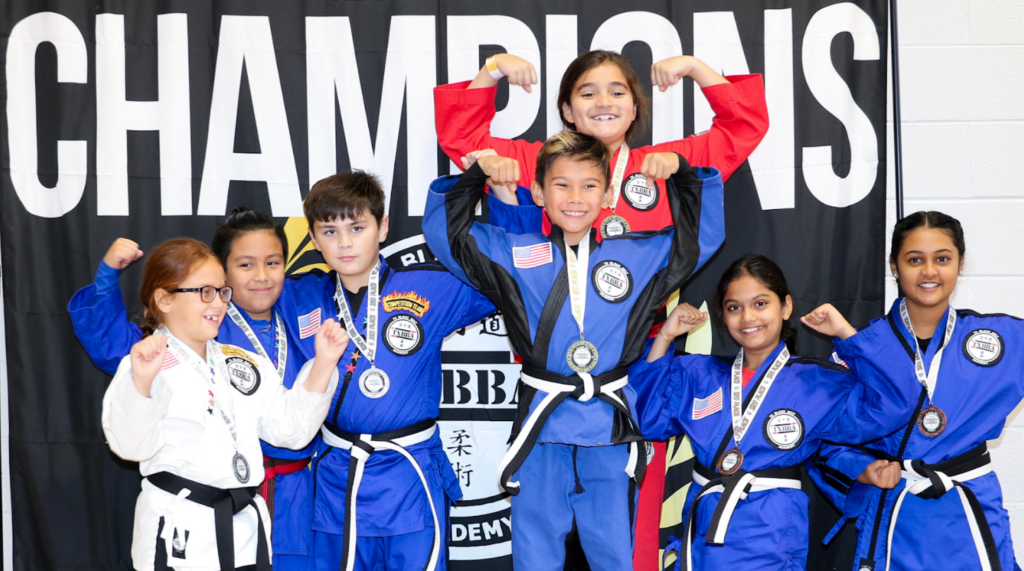
In today’s fast-paced world, many parents are looking for ways to instill discipline and structure in their children’s lives. One effective avenue that often gets overlooked is martial arts. While the idea of martial arts might conjure images of strict discipline and rigid training, the reality is quite different. Many martial arts schools offer programs that cultivate structure and guidance in a fun and engaging manner. This is especially true for programs like Kids Karate, which are designed to ease young learners into the world of martial arts.
The Importance of Structure in a Child’s Life
Structure is essential for children. It provides them with a sense of security and predictability, which is crucial for their emotional and cognitive development. Here are some key reasons why structure is important:
- Helps in developing self-discipline
- Encourages responsibility and accountability
- Fosters time management skills
- Enhances focus and concentration
- Builds confidence and self-esteem
However, traditional methods of instilling structure can sometimes come off as overly strict or authoritarian, which may not resonate well with all children. That’s where martial arts comes into play, offering a balanced approach.
Understanding the Root Cause of Behavioral Challenges
Many behavioral issues stem from a lack of structure. Children may struggle to focus, feel overwhelmed, or act out when they lack a clear framework within which to operate. This can result in:
- Difficulty in following rules
- Challenges in social interactions
- Low self-esteem due to feelings of inadequacy
Martial arts training can address these challenges in a nurturing environment that emphasizes personal growth rather than strict adherence to rules.
Strategies for Building Structure Through Martial Arts
Here are some effective strategies that martial arts programs utilize to create a structured yet flexible environment for kids:
- Goal Setting: In martial arts, students are encouraged to set personal goals, whether it’s mastering a new technique or earning a new belt. This fosters a sense of purpose and achievement.
- Consistent Routines: Classes often follow a predictable structure, helping children know what to expect. This consistency is comforting and helps them feel more secure.
- Positive Reinforcement: Instead of punitive measures, martial arts instructors focus on positive reinforcement, celebrating small victories and encouraging progress.
- Peer Interaction: Classes promote teamwork and camaraderie among students, teaching them how to interact positively with peers while developing social skills.
- Life Skills Lessons: Many programs incorporate discussions on respect, responsibility, and self-discipline, which are vital for personal development.
Step-by-Step Guide to Getting Started with Martial Arts
If you’re considering martial arts for your child, here’s a simple guide to help you navigate the process:
- Research Local Schools: Look for reputable martial arts schools in your area that focus on children’s programs.
- Check Class Options: Explore beginner-friendly classes like Kids Karate or other age-appropriate programs.
- Visit the School: Schedule a visit to observe classes and meet instructors. A welcoming environment is crucial.
- Talk to Other Parents: Gather insights from other parents about their experiences with the school and instructors.
- Enroll for a Trial Class: Many schools offer a free trial class. This is the best way to gauge if it’s a good fit for your child.
Common Mistakes to Avoid
While exploring martial arts for your child, be mindful of these common pitfalls:
- Choosing a school based on location alone without considering the program quality.
- Forcing a child into a program they’re not interested in.
- Overemphasizing competition instead of personal growth.
Do This vs Avoid That
Do This: Look for a school that emphasizes personal development and a positive learning environment.
Avoid That: Steer clear of programs that focus solely on competition or aggressive training methods.
Optimization Checklist for Parents
- Investigate class schedules to find a suitable time for your child.
- Review instructor qualifications and experience with children.
- Check for parental involvement opportunities within the program.
- Ensure the school promotes a positive and inclusive atmosphere.
- Assess how the school handles discipline and conflict resolution.
Long-Term Growth and Benefits
Engaging in martial arts can have long-lasting benefits for your child. Over time, they will likely notice improvements in various areas of their life, including:
- Increased confidence in social situations
- Better focus and academic performance
- Enhanced physical fitness and coordination
- Improved emotional regulation and resilience
This is why many students and parents choose structured programs like this. Training in a supportive environment fosters not just skill development but also personal growth.
In conclusion, martial arts is not just about punches and kicks; it’s a holistic approach to building character and life skills in children. Many families find that training in the right environment makes a lasting difference. If you’re interested in introducing your child to a structured yet flexible program, consider exploring martial arts as a valuable option. The best way to know is to experience a class for yourself.