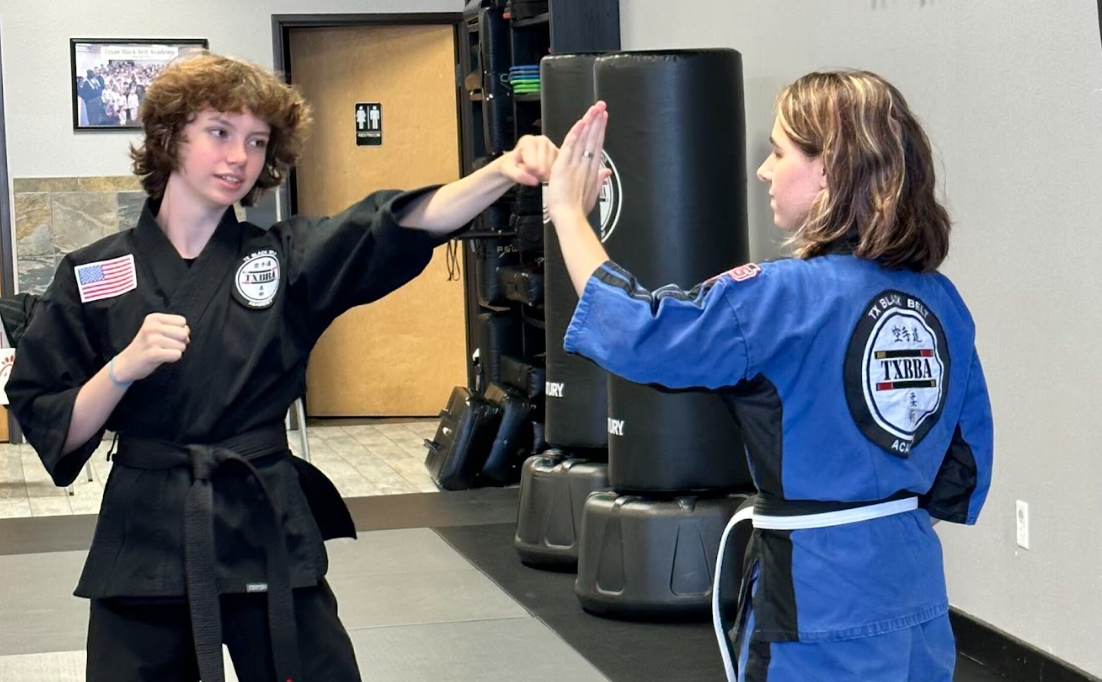
Are you a parent of a child diagnosed with ADHD? Many families face daily challenges in finding ways to support their children’s concentration and behavioral needs. If you’re seeking methods to help your child harness their energy, improve their focus, and build a sense of structure, you may want to explore the world of martial arts.
Understanding the Challenges
ADHD, or Attention Deficit Hyperactivity Disorder, can present a range of challenges for children, including difficulties in maintaining focus, controlling impulses, and organizing tasks. For many parents, this results in a constant struggle to find effective strategies that work for their child’s unique needs. A few common challenges include:
- Difficulty concentrating on tasks or homework
- Struggles with following instructions
- Impulsiveness leading to disruptive behavior
- Frustration stemming from social interactions
Imagine a parent watching helplessly as their child fidgets in their seat, unable to sit still, or struggles to listen during school lessons. This scenario is all too familiar for many households.
Understanding the Root Causes
The root causes of ADHD can be multifaceted, often involving a combination of genetic, environmental, and neurobiological factors. It’s essential to recognize that while ADHD can be a challenge, it does not define your child’s potential. Understanding how to create a supportive environment can have a profound impact on their development. Children with ADHD may exhibit signs of:
- Higher energy levels and a need for physical activity
- Difficulty with organization and time management
- Challenges in emotional regulation
This is why many families consider seeking activities that can aid in managing these challenges and provide a constructive outlet for their child’s energy.
How Martial Arts Can Help
Martial arts offer a unique approach to address the challenges faced by children with ADHD. Through structured training, children can learn important life skills that contribute to their personal growth. Here’s how martial arts can help:
- Focus and Discipline: Martial arts require concentration, which can help children practice maintaining their focus for extended periods.
- Structured Environment: Classes follow predictable routines, providing a sense of stability and predictability that many children with ADHD need.
- Physical Activity: The physical nature of martial arts helps children channel their energy in a productive manner.
- Social Skills: Working with peers fosters teamwork, communication, and patience.
- Self-Confidence: The achievement of new skills boosts self-esteem and encourages perseverance.
Actionable Strategies for Parents
To maximize the benefits of martial arts for a child with ADHD, consider the following strategies:
- Research Local Programs: Look for martial arts schools that specialize in working with children and have experience with ADHD. Check online reviews and speak with other parents for recommendations.
- Visit Classes: Attend classes to observe how instructors interact with students. Look for a positive and engaging environment.
- Set Goals: Discuss with your child what they hope to achieve through martial arts. It could be improving focus, making friends, or learning self-discipline.
- Encourage Consistency: Regular attendance is crucial for building skills. Help your child maintain their commitment to attending classes consistently.
- Engage with Instructors: Communicate openly with instructors about your child’s specific challenges and goals. Instructors can provide valuable insights and tailor their teaching methods accordingly.
By implementing these strategies, parents can play an active role in their child’s martial arts journey, ensuring a supportive and encouraging environment.
Avoiding Common Mistakes
As you consider enrolling your child in martial arts classes, it’s crucial to be aware of common missteps that can impede their progress:
- Do This: Ensure that expectations are clearly communicated and realistic.
- Avoid That: Don’t pressure your child to excel immediately; progress takes time.
- Do This: Celebrate small achievements to encourage continued effort.
- Avoid That: Avoid comparing your child’s journey to others; each child progresses at their own pace.
By keeping these points in mind, parents can better support their child’s martial arts journey, creating a space for growth and development.
Long-Term Benefits of Martial Arts
The long-term benefits of martial arts extend beyond the dojo. Children who train regularly can develop skills that positively impact their everyday lives. Consider this checklist for transitioning into long-term practices:
- Encourage your child to set personal goals related to their martial arts training.
- Engage in discussions about what they learn in class and how they can apply it outside of martial arts.
- Participate in family activities related to martial arts, such as attending competitions or belt ceremonies.
As children continue their training, they often experience growth not only in their martial arts skills but also in their academic performance, self-esteem, and social interactions.
Martial arts can become more than just a sport; it can be a transformative experience for children with ADHD, providing them with the tools to navigate their challenges and become well-rounded individuals. Parents report that after just a few weeks of training, they notice real transformation in their child’s focus and behavior.
This is why many families choose TX Black Belt Academy when looking for something more than just another after-school activity. With experienced instructors and a welcoming community, children find a place to thrive. If you’re ready to take the next step, TX Black Belt Academy is here to guide you. Enroll your child in martial arts today, and watch how it enriches their life.