As teens transition through adolescence, they often encounter various challenges, one of which is peer pressure. This pressure can manifest in numerous ways, from trying new activities to making choices that may not align with their values. Many parents worry about how their children will respond to these external influences. This is where martial arts can play a transformative role. Not only does martial arts training provide physical benefits, but it also equips teens with the mental fortitude to navigate peer pressure effectively.
The Challenges of Peer Pressure
Peer pressure can influence teens differently, leading to a range of behaviors that might compromise their values or well-being. Some common challenges include:
- Substance use or experimentation
- Engaging in risky behaviors
- Choosing popularity over personal values
- Bullying or being bullied
- Struggling with self-image and self-esteem
These pressures can stem from a variety of sources, including social media, school environments, and friend groups. Understanding the root causes can help parents guide their teens through these turbulent times.
Understanding the Root Causes
Peer pressure often arises from a teen’s desire for acceptance and belonging. As they grow, many feel the need to conform to group norms, which may not always align with their individual beliefs or values. This desire can lead to:
- Fear of exclusion from social circles
- Low self-esteem, making them more susceptible to outside influences
- Desire for validation from peers
- Misunderstanding of personal identity and values
Martial arts training provides a supportive environment that helps teens develop a strong sense of self, boosting their confidence and resilience against these pressures.
How Martial Arts Empowers Teens
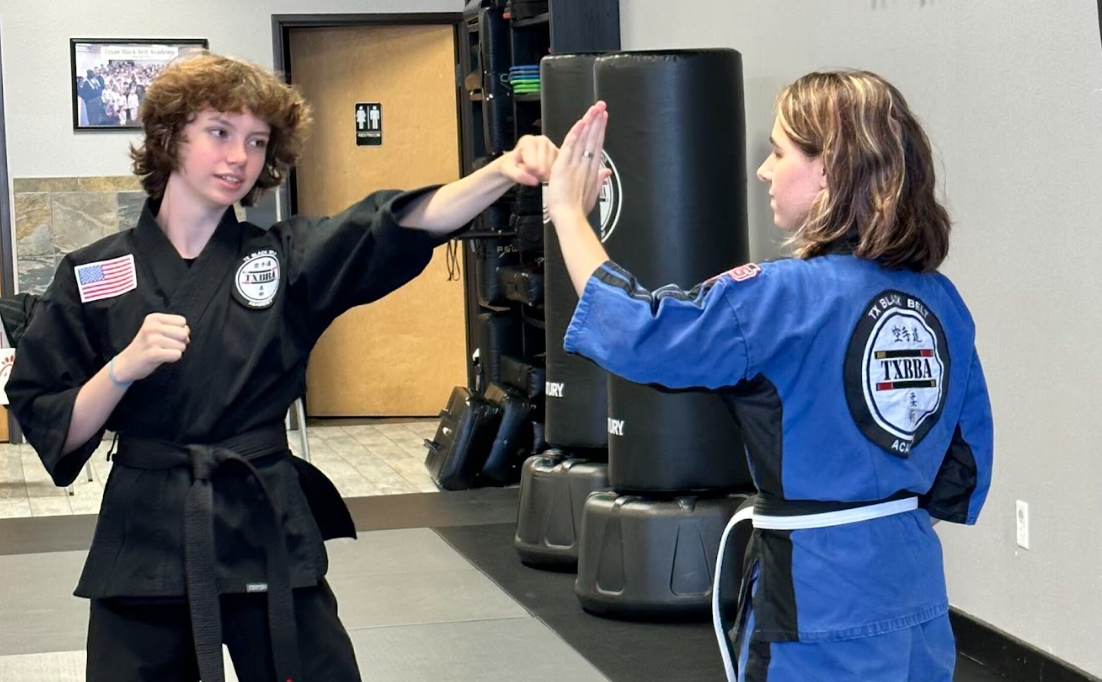
Martial arts programs, like Kids Karate or Adult Karate, are specifically designed to foster personal growth and discipline. Here are several strategies through which martial arts training can help teens navigate peer pressure:
- Building Confidence: Regular practice builds self-esteem, allowing teens to stand firm in their beliefs.
- Promoting Self-Discipline: Through structured training, students learn the importance of discipline, which can translate to other areas of their lives.
- Encouraging Respect: Martial arts instills respect for oneself and others, making teens more likely to reject negative influences.
- Enhancing Focus: Training requires concentration, which can help teens prioritize their own goals over peer pressures.
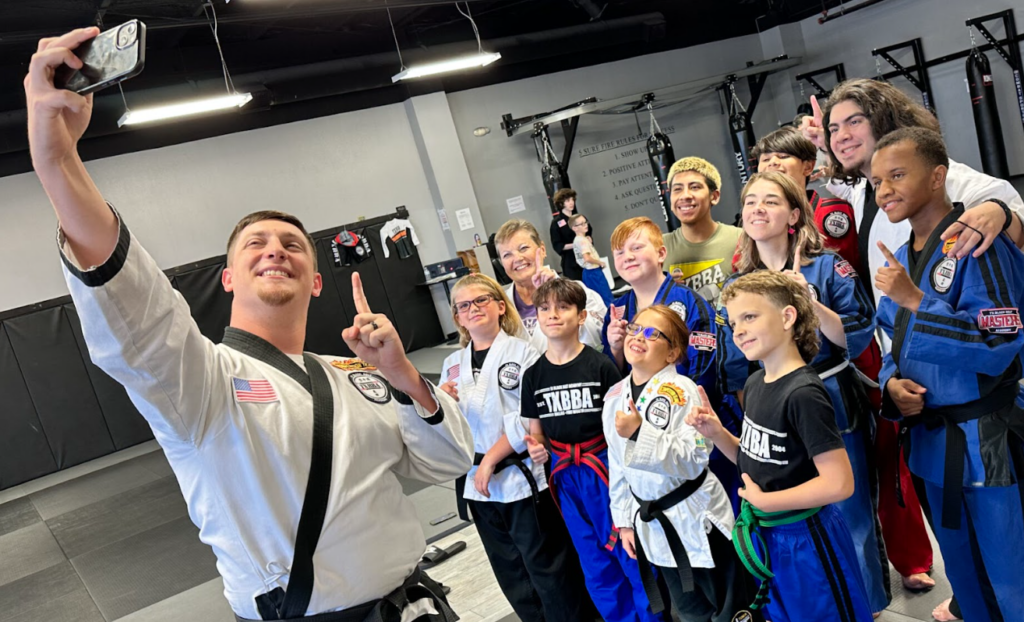
- Creating a Supportive Community: Many families find that training in the right environment makes a lasting difference, as the martial arts community often fosters positive relationships.
Step-by-Step Guide to Getting Started
If you’re considering introducing your teen to martial arts, follow these steps to ensure a positive experience:
- Research Local Schools: Look for schools that offer programs tailored for teens, focusing on their values and mission.
- Visit Classes: Attend a few classes to observe the teaching styles and student interactions.
- Speak with Instructors: Discuss your teen’s specific needs and concerns, ensuring the program aligns with their goals.
- Enroll for a Trial Class: Many schools offer a free or low-cost trial class. This allows your teen to experience martial arts without a long-term commitment.
- Encourage Regular Attendance: Consistency is key in martial arts. Encourage your teen to commit to attending classes regularly.
Common Mistakes to Avoid
When introducing martial arts to your teen, be mindful of these common pitfalls:
- Choosing a school based solely on location rather than quality and values.
- Expecting immediate results; martial arts is a journey that takes time.
- Not engaging in conversations about what they’re learning and experiencing.
- Over-scheduling; ensure that martial arts fits into a balanced lifestyle.
Do This vs Avoid That
Do This: Encourage open communication about their feelings and experiences in martial arts.
Avoid That: Pressuring them to compete or perform at a level they’re not comfortable with.
Optimization Checklist for Parents
- Research potential martial arts schools in your area.
- Evaluate the school’s values and teaching methods.
- Consider the class environment and the instructor’s experience.
- Monitor your teen’s progress and emotions about their training.
- Encourage them to set personal goals within their martial arts journey.
Long-Term Growth Through Martial Arts
The benefits of martial arts extend well beyond the dojo. As teens learn to manage peer pressure, they also develop skills that will serve them throughout their lives. Skills such as:
- Problem-solving and critical thinking
- Leadership and teamwork capabilities
- Improved physical fitness and health
- Resilience in the face of challenges
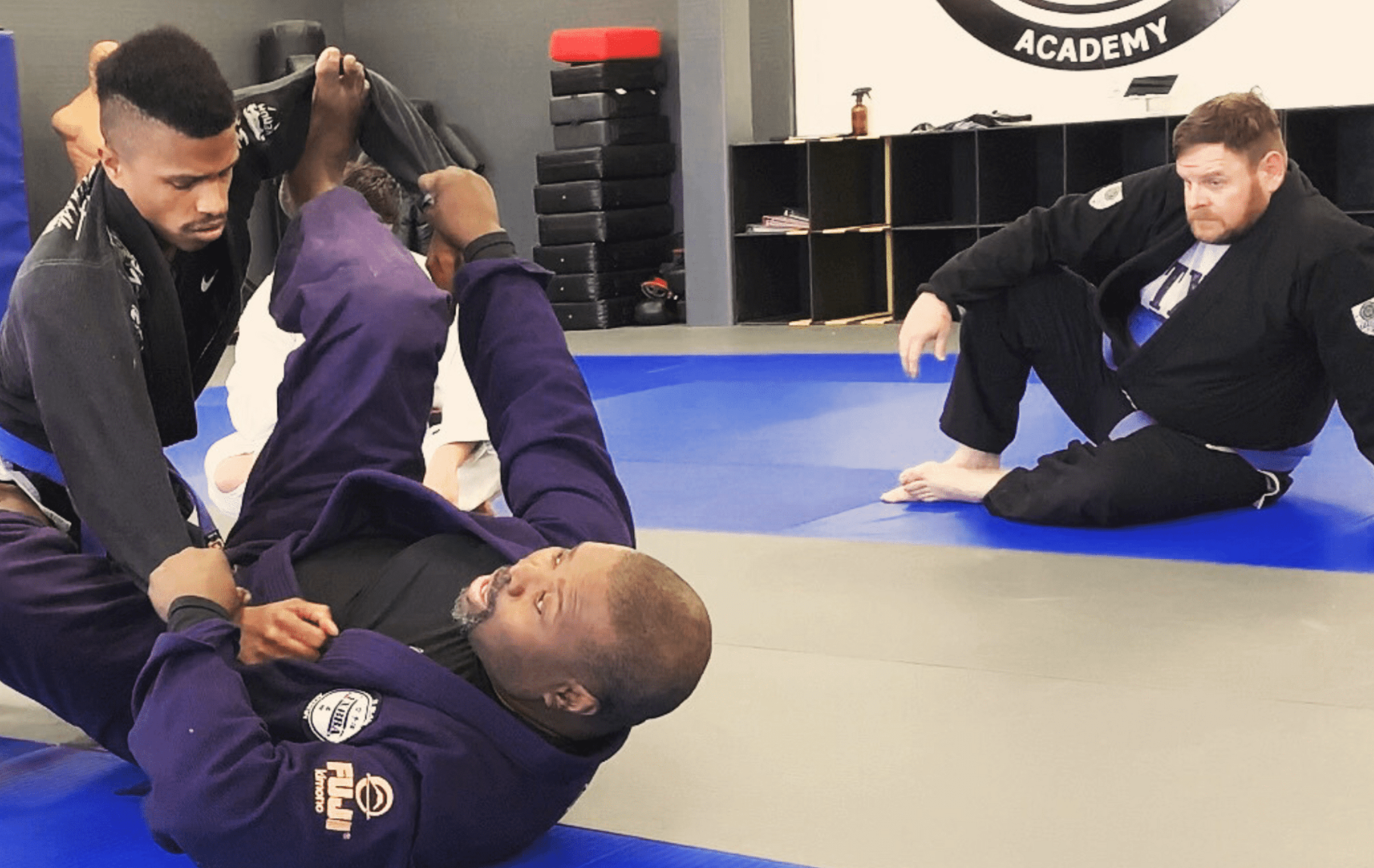
Many students and parents choose structured programs like Brazilian Jiu Jitsu (BJJ) or Kickboxing to build these skills in a supportive environment. These programs not only teach self-defense but also emphasize personal growth and community, helping teens navigate the complexities of adolescence with confidence.
In conclusion, martial arts offers a comprehensive approach to addressing the challenges of peer pressure faced by teens today. By providing a structured environment that promotes self-discipline, respect, and confidence, martial arts can be a valuable resource for your teen. If you’re interested in exploring how martial arts can be beneficial for your child, consider reaching out to your local martial arts school.