Choosing the right martial arts program for your child can feel overwhelming, especially when deciding between Karate and Brazilian Jiu Jitsu (BJJ). Both disciplines offer unique benefits, helping kids build confidence, discipline, and physical fitness. However, understanding the differences can help parents make an informed decision that aligns with their child’s interests and needs.
The Growing Concern for Parents
As parents, you want your children to grow up strong, confident, and capable of defending themselves. However, many kids face challenges that can impact their development, including:
- Bullying and peer pressure
- Low self-esteem
- Physical fitness issues
- Lack of focus and discipline
- Difficulty in social interactions
These concerns are real, and choosing the right martial arts program can help address them effectively. Both Karate and BJJ offer structured environments where children can thrive, but they cater to different learning styles and preferences.
Understanding the Roots
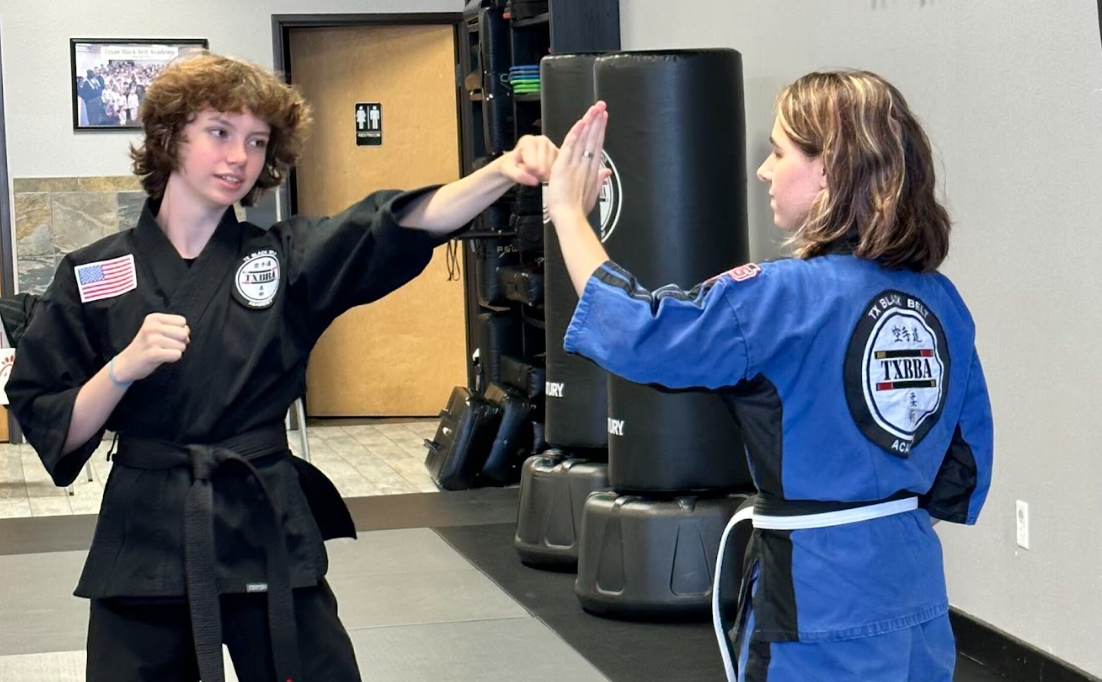
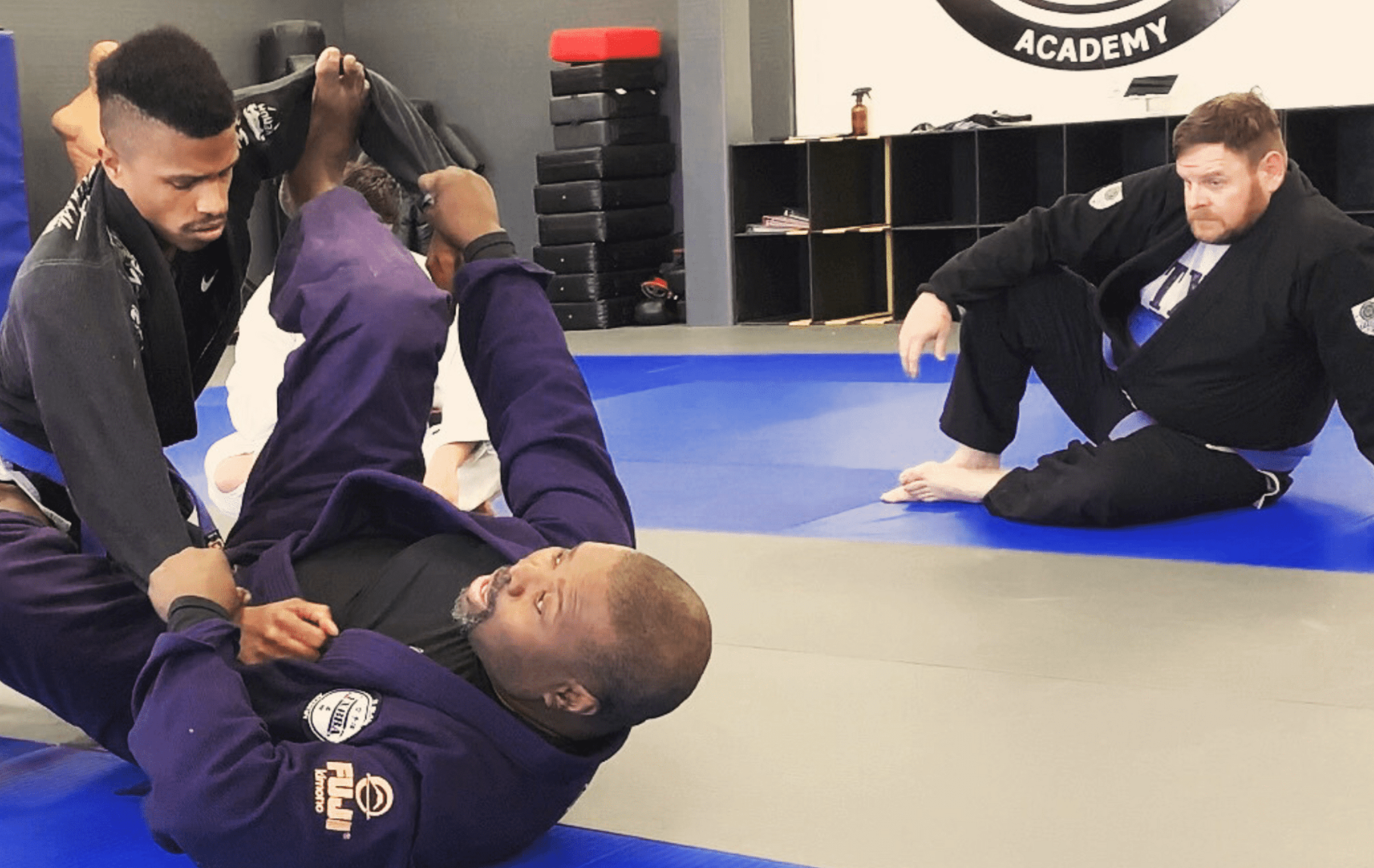
Karate, a traditional martial art that emphasizes striking techniques, focuses on discipline, respect, and self-control. It often incorporates forms (katas) and sparring, making it a dynamic choice for children who enjoy a structured approach to learning. In contrast, Brazilian Jiu Jitsu is a grappling-based martial art that teaches ground fighting and submission techniques. BJJ emphasizes problem-solving and strategy, appealing to kids who might prefer a more tactical approach.
Key Considerations for Parents
When deciding between Karate and BJJ, consider the following factors:
- Interest Level: Does your child express more interest in striking or grappling? Their preferences can guide you to the right choice.
- Physicality: Some children may thrive with the striking techniques of Karate, while others may excel in the grappling aspects of BJJ.
- Social Dynamics: How does your child interact with peers? Karate often involves more group activities, while BJJ can foster teamwork through partner drills.
- Learning Style: Does your child respond better to structured lessons or more fluid, freestyle training? Karate is often more traditional, while BJJ encourages adaptability.
- Goals: What do you hope your child will gain from martial arts? Whether it’s self-defense, fitness, or competition, both have unique offerings.
Strategies to Make the Right Choice
To help clarify your decision, consider these strategies:
- Visit Local Schools: Check out martial arts schools in your area that offer both Karate and BJJ. Observing classes can provide insight into the teaching styles and environments.
- Talk to Instructors: Discuss your child’s needs with potential instructors. They can provide valuable information about their programs and how they meet the needs of different students.
- Try Classes: Many schools offer trial classes for potential students. Encourage your child to participate in both Karate and BJJ classes to gauge their interest and comfort level.
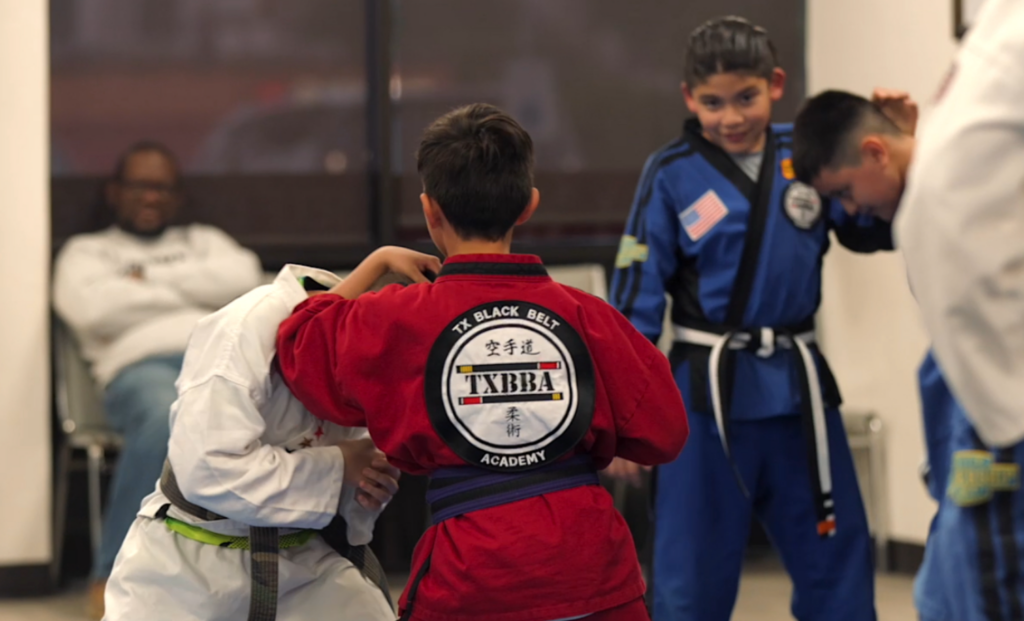
- Consider Age Appropriateness: Ensure the programs are suitable for your child’s age and maturity level. Some martial arts schools have specialized kids’ programs, such as Kids Karate or BJJ for children.
- Evaluate Long-Term Goals: Think about what you envision for your child’s martial arts journey. If they take an interest in competition, some programs may be better suited than others.
Common Mistakes to Avoid
Many parents make the following mistakes when choosing a martial arts program:
- Focusing solely on one aspect, like self-defense, without considering other benefits.
- Not involving the child in the decision-making process.
- Overlooking the importance of a supportive environment for learning.
- Choosing based on convenience rather than program quality.
- Not considering the long-term commitment involved in martial arts training.
Do This vs. Avoid That
Do This: Engage your child in discussions about their interests and goals in martial arts.
Avoid That: Making a decision based solely on your preferences without considering your child’s input.
Optimization Checklist
- Assess your child’s interest in either striking or grappling.
- Research local martial arts schools and their offerings.
- Attend trial classes to observe teaching styles.
- Discuss your child’s goals for taking martial arts.
- Evaluate the school’s culture and student engagement.
Long-Term Growth and Benefits
Both Karate and Brazilian Jiu Jitsu can lead to significant long-term benefits. Many families find that training in the right environment makes a lasting difference in their child’s confidence, focus, and discipline. A well-structured martial arts program can provide the consistency and guidance most people are looking for, fostering personal growth in ways that extend beyond the dojo. As children progress, they develop not just physical skills but also life skills that can help them navigate challenges outside of martial arts.
Ultimately, whether you choose Karate or BJJ for your child, the key is to find a program that resonates with their interests and provides a supportive atmosphere. Many people start by trying a beginner-friendly class to see if it’s the right fit. Programs like Kids Karate or BJJ are designed to ease newcomers into the practice, fostering a love for martial arts while developing essential skills.
By taking the time to explore options and communicate with your child, you can make a confident decision that sets them on a path of growth and empowerment.
For parents considering martial arts programs, we invite you to explore the various options available. The best way to know is to experience a class firsthand and see how it fits into your child’s lifestyle.