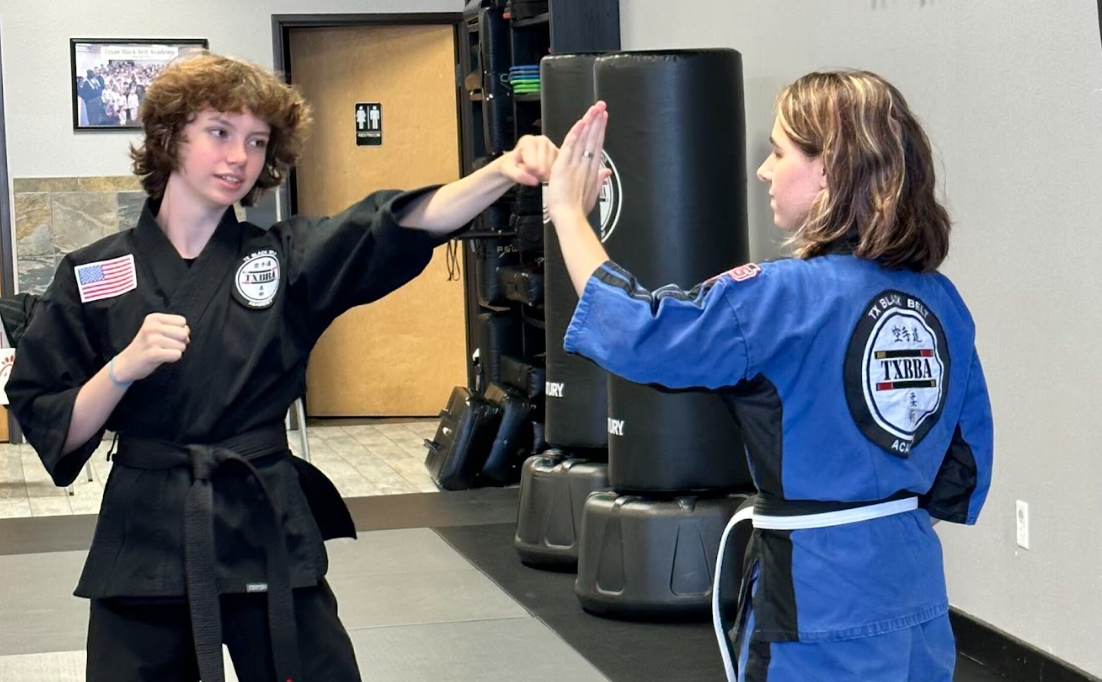
In today’s fast-paced world, children face a myriad of challenges that can impact their mental health. From academic pressures to social anxieties, many youngsters struggle to maintain emotional balance. One effective way to bolster their mental well-being is through martial arts. Programs designed specifically for children, such as Kids Karate, offer structured environments that promote personal growth, confidence, and resilience.
Many parents have observed the positive transformations in their children after enrolling them in martial arts classes. This can be attributed to several key benefits that martial arts provide, including improved focus, enhanced discipline, and the development of crucial self-defense skills. Here, we delve into the relationship between martial arts and mental health in children, exploring how these disciplines can serve as a foundation for emotional and psychological resilience.
- Improved self-esteem and confidence
- Enhanced focus and concentration
- Better stress management
- Increased discipline and respect for others
- Development of social skills through interaction
The root cause of many mental health challenges in children often stems from a lack of coping strategies and supportive environments. Traditional sports can sometimes focus solely on competition, which may not cater to every child’s needs. In contrast, martial arts classes like Kids Karate are designed to offer a comprehensive approach to personal development, making them particularly beneficial for children who may feel overwhelmed or anxious.
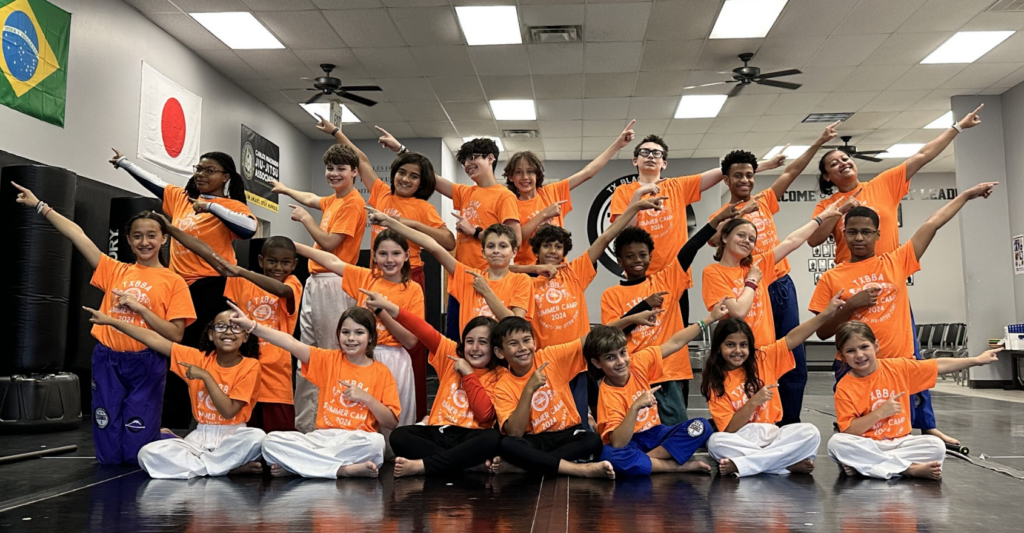
Engaging in martial arts provides children with a sense of belonging and community. In a well-structured program, they learn valuable life skills such as teamwork, respect, and perseverance. These experiences can significantly contribute to their emotional development and help them navigate life’s challenges more effectively.
Strategies to Support Mental Health Through Martial Arts
To maximize the mental health benefits of martial arts, here are some strategies to consider:
- Choose the Right Program: Look for programs that prioritize emotional well-being. Many families find that training in the right environment makes a lasting difference.
- Encourage Consistent Practice: Regular attendance helps reinforce discipline and builds confidence over time. A well-structured martial arts program can provide the consistency and guidance most people are looking for.
- Set Realistic Goals: Help your child set achievable goals within their martial arts training. This fosters a sense of accomplishment and enhances self-worth.
- Incorporate Mental Techniques: Many martial arts programs teach mindfulness and breathing techniques that can help children manage stress and anxiety.
- Promote Social Interaction: Encourage your child to engage with peers during classes. Developing friendships in a supportive environment can boost their social skills and emotional health.
To effectively implement these strategies, consider the following step-by-step guide:
- Research local martial arts schools that offer Kids Karate or similar programs.
- Visit the school and observe a class to evaluate the environment and teaching style.
- Discuss your child’s interests and concerns with the instructor to ensure a good fit.
- Enroll your child in a beginner-friendly class, emphasizing the importance of consistency.
- Monitor progress and celebrate achievements, whether big or small, to encourage continued participation.
While martial arts can provide numerous benefits, it’s essential to avoid common pitfalls that may hinder a child’s progression. Here are some mistakes to be mindful of:
- Overemphasizing competition, which can lead to stress and anxiety.
- Failing to communicate openly with instructors about your child’s needs.
- Neglecting to set achievable goals, which can result in frustration.
- Allowing inconsistent attendance, which can disrupt learning and growth.
- Not encouraging social interaction, which can prevent valuable friendships from forming.
In your journey toward enhancing your child’s mental health through martial arts, consider this:
Do This: Encourage your child to express their feelings about their training and how it affects their mood.
Avoid That: Dismissing their concerns; instead, validate their experiences and support them in overcoming challenges.
To ensure you’re on the right path, keep the following checklist in mind:
- Research various martial arts styles and their mental health benefits.
- Identify a supportive and experienced instructor.
- Encourage your child to participate regularly.
- Celebrate milestones and improvements.
- Promote a positive attitude towards challenges and setbacks.
Long-term growth in martial arts can lead to profound changes in a child’s mental health. As they progress through different belt levels, they not only learn techniques but also develop resilience, focus, and self-discipline. The skills acquired in martial arts often translate into improved performance in school and social settings, equipping children with the tools they need to navigate life’s challenges with confidence.
In conclusion, incorporating martial arts into a child’s routine can significantly enhance their mental health and overall well-being. With structured programs like Kids Karate, children learn valuable life lessons while developing crucial skills that foster confidence and resilience. Many parents and children find that martial arts provide a supportive environment where personal growth and emotional stability thrive. The best way to know is to experience a class firsthand—many people start by trying a beginner-friendly class, and you might find it is the perfect fit for your child.