Have you ever considered how the company we keep affects our goals and growth? Many small business owners struggle with motivation, especially when faced with competition and the daily grind of running a business. The concept of positive peer pressure can be a powerful tool for personal and professional development. By surrounding yourself with the right community, you can cultivate an environment that fosters success, accountability, and inspiration. This is particularly true in martial arts, where individuals often find not just physical training but also a network of support that encourages personal growth.
For small business owners, investing time in activities that promote personal development can offer surprising benefits. Imagine entering a space where everyone is working towards improving themselves, their skills, and their overall well-being. In this environment, the encouragement to push beyond limits is palpable, creating a culture of growth. Many find that being part of a martial arts community can enhance focus, discipline, and perseverance—qualities that are invaluable in business. Consider these situations where positive peer pressure can make a difference:
- Accountability: In a supportive environment, individuals hold each other accountable for their goals.
- Motivation: Watching peers succeed can inspire a drive for personal improvement.
- Shared Knowledge: Collaborating with others can lead to new insights and innovative ideas.
- Resilience: A community can provide support during tough times, fostering resilience.
- Networking: Building connections with like-minded individuals can open new avenues for business opportunities.
Understanding the underlying causes of why positive peer pressure is effective can enhance its benefits. In martial arts, for instance, the culture of mutual support is often woven into the practice itself. Students celebrate each other’s achievements, whether it’s passing a belt test or mastering a new technique. This culture can translate into a business environment where peers uplift one another, making the journey more fulfilling.
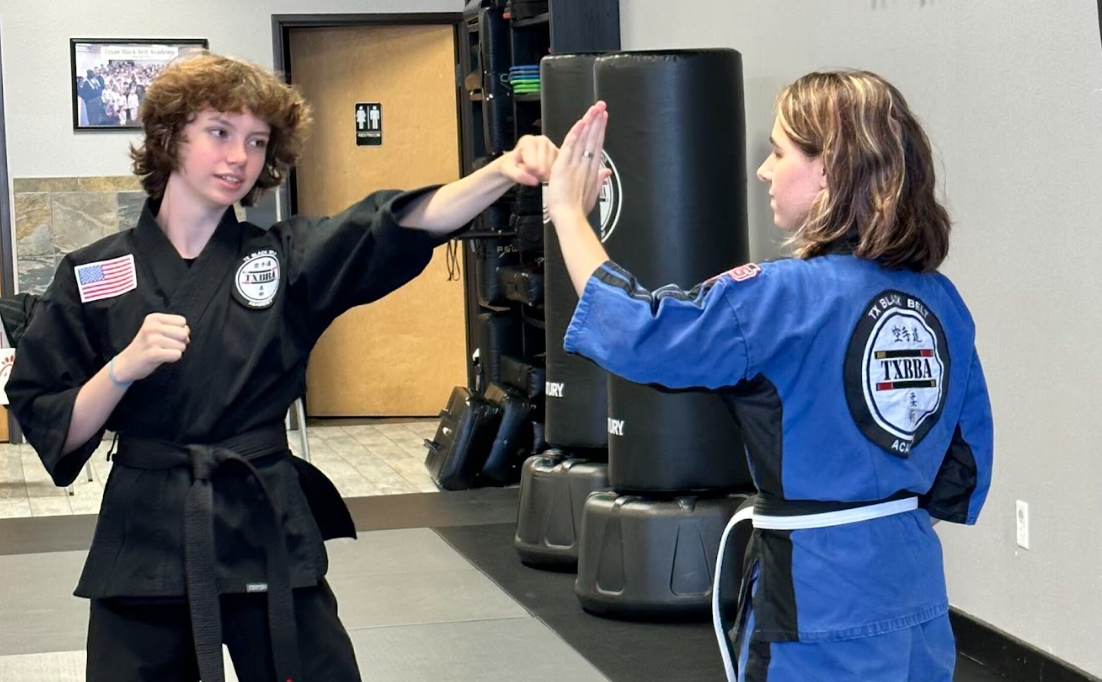
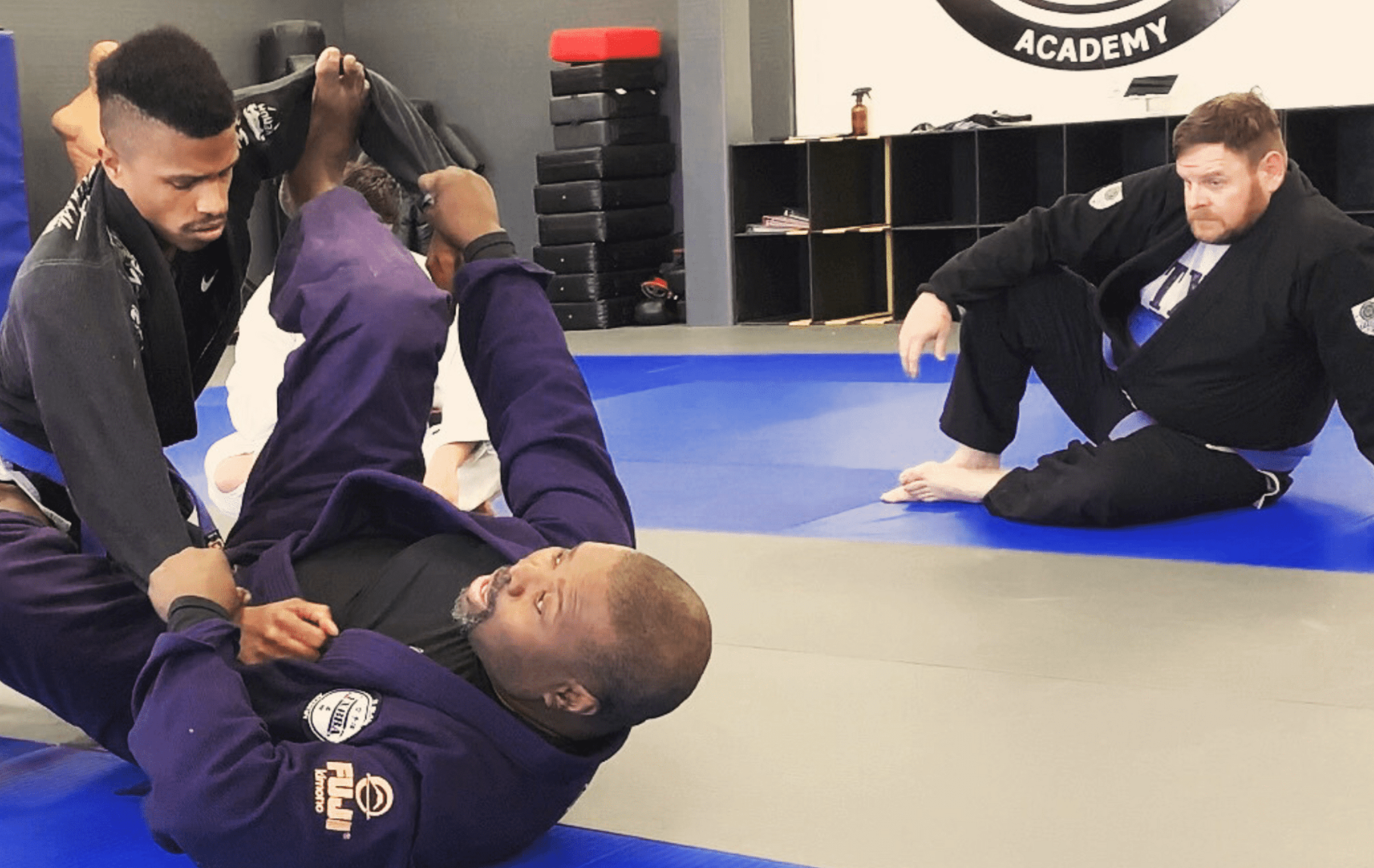
But what is it about martial arts that fosters such a strong sense of community? At its core, martial arts emphasizes respect, discipline, and teamwork. These values create an atmosphere where individuals feel safe to share their struggles and celebrate their successes. Moreover, martial arts training often requires commitment and perseverance, reinforcing the idea that hard work pays off. As students train together, they develop camaraderie that extends beyond the dojo or gym, enabling them to support one another in their personal and professional lives.
When exploring the concept of positive peer pressure in martial arts, consider the following core problems that small business owners might face:
- Lack of Accountability: Working alone can lead to procrastination and lack of progress.
- Limited Perspective: Without input from others, it’s easy to get stuck in a narrow viewpoint.
- Stress Management: The pressures of running a business can lead to burnout without proper support.
- Networking Limitations: Being isolated can hinder opportunities for collaboration and partnerships.
To overcome these challenges, many individuals turn to martial arts for the community aspect it offers. Here are some actionable strategies for leveraging the power of positive peer pressure:
- Join a Martial Arts Class: Find a local dojo or academy and enroll in classes that suit your interests, whether it’s karate, judo, or Brazilian jiu-jitsu. Engaging with others in a structured environment can instill a sense of accountability and motivation.
- Set Shared Goals: Establish group goals within your class. This can be as simple as mastering a technique or preparing for a tournament. Working together towards a common goal can enhance motivation.
- Participate in Events: Join seminars, workshops, or competitions. These events not only provide opportunities to learn but also to connect with other martial artists, fostering a sense of community.
- Form Study or Sparring Groups: Organize time with peers for extra practice or discussions on techniques. This collaborative effort reinforces learning and builds relationships.
- Give and Receive Feedback: Create an environment where constructive feedback is welcomed. Sharing insights and experiences can deepen connections and enhance personal growth.
While harnessing positive peer pressure can greatly benefit small business owners, it’s essential to avoid common pitfalls. Here are some mistakes to watch out for:
- Ignoring Personal Goals: In the excitement of community, it’s easy to lose sight of your individual objectives. Stay focused on what you want to achieve.
- Comparing Yourself Negatively: Healthy competition is beneficial, but excessive comparison can lead to discouragement. Remember that everyone’s journey is unique.
- Overcommitting: In the enthusiasm of being part of a community, avoid taking on too many responsibilities that may overwhelm you.
- Narrowing Your Focus: While it’s valuable to learn from others, ensure you’re exploring a variety of perspectives, not just those in your immediate circle.
- Neglecting Self-Care: Commit to personal time for growth and reflection, even while being an active community member.
To optimize your journey, consider this checklist:
- Identify your personal goals for joining a martial arts community.
- Engage actively with peers, sharing your experiences and learning from theirs.
- Evaluate your progress regularly and adjust your goals as needed.
- Maintain a healthy balance between community involvement and personal time.
- Celebrate both personal and group achievements.
Long-term optimization in building and maintaining a supportive network goes beyond initial involvement. Consider establishing habits that can sustain the community atmosphere:
- Regularly attend classes or community events to stay connected.
- Mentor newer members to reinforce your own learning and foster a sense of belonging.
- Share resources and tips that have helped you, creating a culture of generosity.
- Encourage open discussions about challenges and successes, fostering an environment of trust.
- Continuously seek opportunities to expand your network through workshops and seminars.
In summary, positive peer pressure can serve as a powerful catalyst for personal and professional growth. By embracing community through martial arts, small business owners can cultivate essential qualities like discipline, focus, and resilience. The supportive environment found in martial arts classes not only helps individuals grow in their practice but also fosters valuable connections that can lead to new opportunities. This is why many families choose TX Black Belt Academy when looking for something more than just another after-school activity, and why adults seeking discipline, strength, or a new challenge often find their footing there. Parents tell us they notice real transformation after just a few weeks at TX Black Belt Academy, and if you’re ready to take the next step, TX Black Belt Academy is here to guide you on your journey.