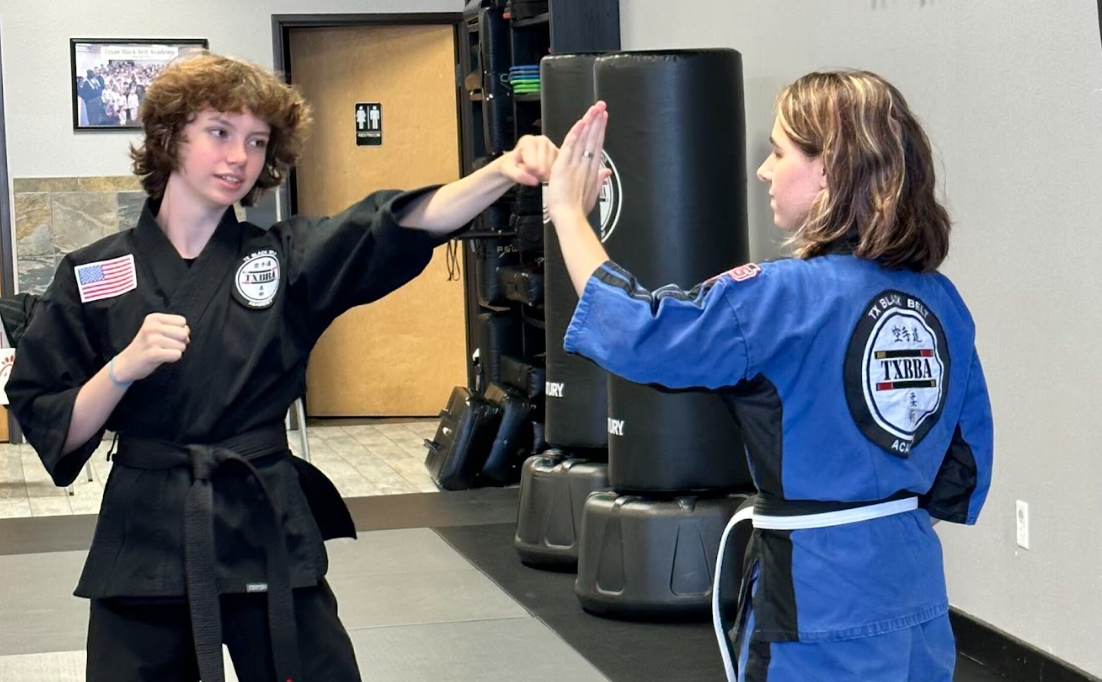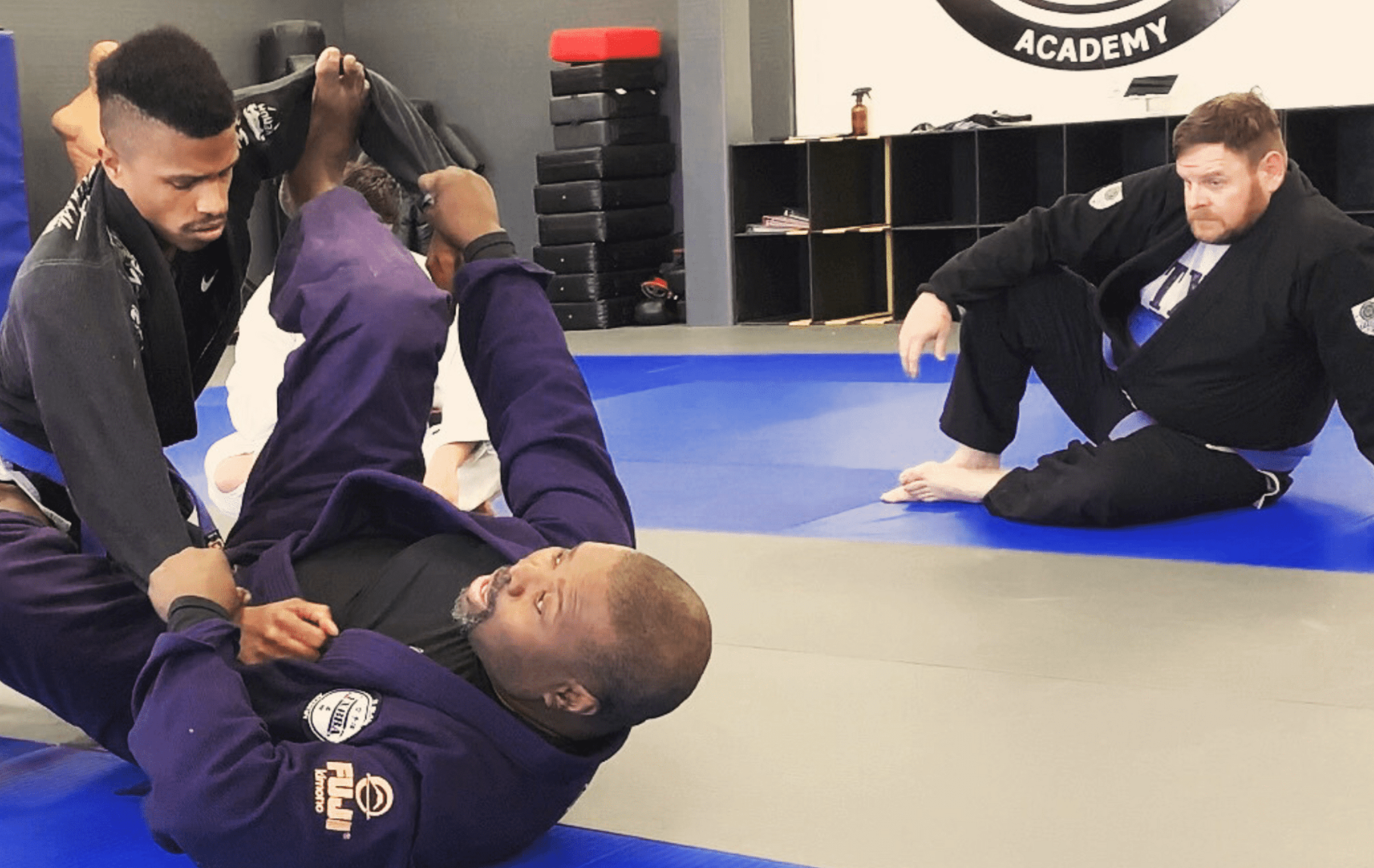
In today’s fast-paced world, parents often seek activities that not only keep their children active but also help them develop essential life skills. One area where many find success is martial arts. Programs like Kids Karate offer a structured environment that fosters social skills alongside physical fitness. These classes are designed to engage children in a holistic manner, addressing both their mental and emotional development.
The Importance of Social Skills in Childhood
Social skills are critical during the elementary years as children begin to interact more with peers. These skills can influence their ability to make friends, handle conflicts, and navigate various social situations. Some of the main social skill challenges children face include:
- Difficulty making new friends
- Struggles with communication
- Handling conflicts or disagreements
- Understanding social cues
- Building self-confidence
Addressing these challenges early can lead to a more positive school experience and better relationships with peers. This is where martial arts can play a pivotal role.
Root Causes of Social Skill Deficits
Children may face various obstacles that hinder their social development. These can include:
- Lack of opportunities for interaction with peers
- Low self-esteem or confidence
- Fear of failure or embarrassment
- Unstructured environments that don’t promote social engagement
Martial arts classes provide a safe and structured setting where children can overcome these barriers. Here, they learn to work with others, communicate effectively, and build confidence—skills that are invaluable throughout life.
Strategies to Enhance Social Skills Through Martial Arts
Here are several strategies that parents can consider when utilizing martial arts as a tool for social skill development:
- Participate in Group Classes: Enrolling your child in group classes, such as Kids Karate, can enhance their interaction with peers. These classes involve teamwork and cooperation, allowing kids to bond over shared experiences.
- Encourage Communication: Instructors often emphasize the importance of communication in martial arts. Encourage your child to ask questions and express their thoughts during classes. This practice can help them become more comfortable communicating with others.
- Practice Conflict Resolution: Many martial arts programs teach conflict resolution techniques. Children learn how to address issues calmly and respectfully, a skill that can be useful in school and social settings.
- Set Goals and Celebrate Success: Having children set personal goals within their martial arts practice can boost self-esteem. Celebrating their achievements, whether it’s mastering a new technique or advancing in rank, reinforces a positive self-image.
- Foster a Sense of Community: Many martial arts schools create a family-like atmosphere. This support system encourages children to build friendships and feel connected to their peers.
Step-by-Step Guide to Getting Started in Martial Arts
If you’re considering martial arts for your child, follow these steps to ensure a smooth entry into the program:
- Research Local Programs: Look for classes in your area that focus on children’s martial arts, such as Kids Karate, BJJ, or Kickboxing.
- Visit the School: Schedule a visit to get a feel for the environment and meet the instructors. This helps gauge if it’s a good fit for your child.
- Enroll in a Trial Class: Many schools offer a trial class. This is a great opportunity for your child to experience the program firsthand and see if they enjoy it.
- Discuss Expectations: Talk to your child about what they can expect from classes. This will help alleviate any anxiety they may have.
- Encourage Consistency: Regular attendance is key to reaping the benefits of martial arts. Encourage your child to stick with it, even if they face challenges.
Common Mistakes Parents Make
While martial arts can be highly beneficial, some common pitfalls can hinder progress:
- Not Encouraging Consistency: Inconsistent attendance can lead to lost progress and missed opportunities for social interaction.
- Overemphasizing Competition: While competition can drive improvement, focusing solely on winning can create unnecessary pressure.
- Neglecting Communication: Failing to talk with your child about their experiences in class can lead to misunderstandings or reluctance to continue.
- Not Setting Goals: Without clear goals, children may struggle to see their progress and lose motivation.
Do This vs Avoid That
Do This: Encourage open communication about feelings and experiences in class.
Avoid That: Pressuring your child to achieve rank or medals at the expense of enjoyment.
Optimization Checklist for Social Skills Development
- Research and find a child-friendly martial arts program.
- Visit the school and meet the instructors.
- Encourage attendance and participation in classes.
- Discuss class experiences regularly with your child.
- Celebrate milestones and achievements.
- Foster friendships outside of class.
Long-Term Growth Through Martial Arts
Martial arts is not just about physical movement; it’s about building a foundation for life. As children progress through their training, they develop qualities such as discipline, respect, and perseverance. These traits will assist them not only in martial arts but in their academic and social lives as well. Many families find that training in the right environment makes a lasting difference, helping children grow into confident and capable individuals.
In conclusion, martial arts can serve as an excellent avenue for enhancing social skills in elementary-aged kids. By engaging in structured programs like Kids Karate, they can learn to navigate social situations, build friendships, and develop confidence. The best way to know is to experience a class for yourself. Many people start by trying a beginner-friendly class to see how their child connects with the environment. This journey could be the start of something transformative for your child.