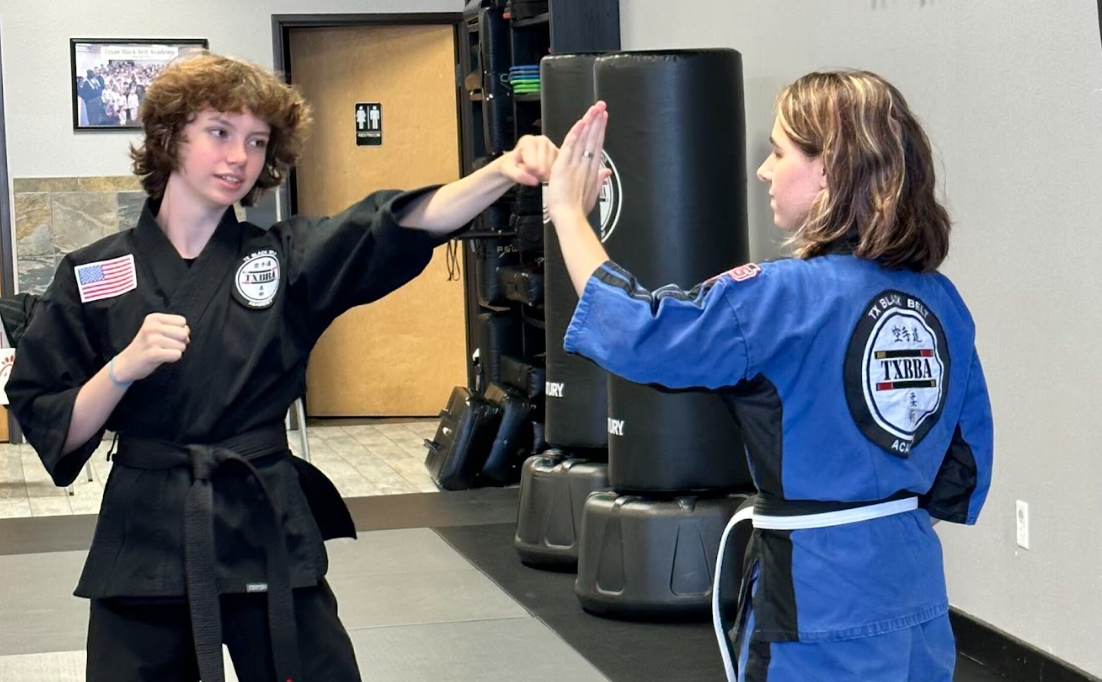
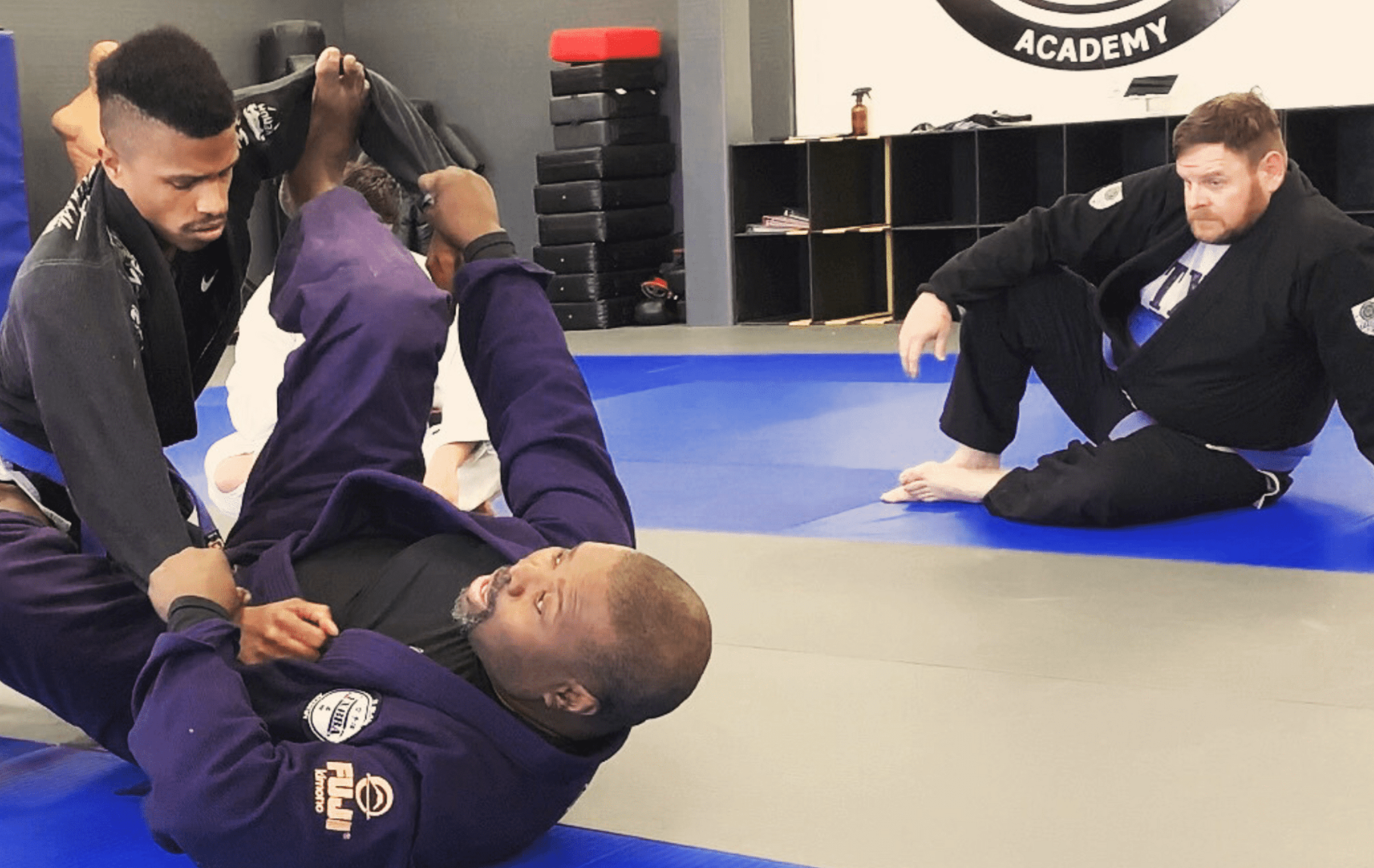
Martial arts training at TX Black Belt Academy is more than just learning how to defend oneself; it’s about instilling discipline, building confidence, enhancing focus, and fostering a sense of community among children, families, and adults. For teens navigating a world full of challenges, understanding the principles of self-defense can be a transformative experience that empowers them both physically and mentally.
The Core Problem: The Reality of Threats
In today’s society, teens face various threats, ranging from bullying to more serious dangers. Many parents feel helpless when trying to protect their children from these risks, often wondering how they can equip them with the tools needed to respond effectively.
- Many teens feel anxious or vulnerable when facing peer pressure or potential threats.
- Parents worry about their children’s safety during school hours and social outings.
- Without the right skills, teens might struggle to assess situations properly.
Understanding the Underlying Causes
The fear of threats is often rooted in a lack of preparedness and knowledge. Teens may not know how to react in dangerous situations, leading to increased anxiety. This state of mind can prevent them from making sound decisions during critical moments.
Many factors contribute to this lack of readiness:
- Inadequate life skills education in schools
- Limited opportunities for physical activity that promote confidence
- Peer influence that may encourage risky behavior
Consequently, teens may become overwhelmed when faced with aggression or intimidation, missing the chance to prevent or defuse conflicts before they escalate.
Revisiting the Core Problem
Imagine a teen walking home from school when they encounter a group of peers who start to bully them. Lacking the skills to assess and respond to this situation can lead to feelings of helplessness and fear. The stakes are high, and without proper guidance, a teen may react in ways that escalate the confrontation rather than resolve it.
- Unaddressed fear can lead to avoidance behaviors, limiting social interactions.
- Bullying can have long-term psychological effects on the victim.
- A lack of self-confidence may prevent teens from standing up for themselves and others.
Actionable Strategies for Self-Defense
Teaching teens effective self-defense strategies consists of more than just physical techniques. It’s about fostering a mindset that values awareness, confidence, and the ability to defuse situations peacefully. Here are essential strategies to consider:
- Awareness Training: Encourage teens to be conscious of their surroundings. This includes recognizing potential threats and understanding the importance of body language.
- Practice scanning their environment regularly.
- Teach them to identify safe spaces and exits in various settings.
- Verbal De-escalation Techniques: Equip teens with words they can use to defuse tense situations.
- Role-play common scenarios where they might need to speak up.
- Practice using calm, assertive language to set boundaries with peers.
- Physical Self-Defense Basics: While martial arts training isn’t solely about fighting, knowing how to protect oneself physically is crucial.
- Enroll in self-defense classes that focus on practical techniques.
- Learn how to break free from holds or grabs effectively.
- Building Resilience: Encourage participation in activities that boost confidence, such as sports or theater.
- Set achievable goals that help build self-esteem.
- Encourage open conversations about fears and challenges.
- Practice Assertiveness: Teach teens the power of saying no and standing firm in their decisions.
- Discuss how to refuse peer pressure effectively.
- Rehearse assertive communication to improve their confidence.
Common Mistakes and How to Avoid Them
When teaching self-defense, there are several common pitfalls that teens and their parents should be aware of:
- Focusing Solely on Physical Techniques: While knowing how to fight is helpful, the mental aspect of self-defense is often neglected. Emphasize both skills and situational awareness.
- Underestimating the Importance of Awareness: Many teens overlook the importance of staying vigilant. Encourage regular discussions about their environment.
- Lack of Practice: Skills fade if not practiced regularly. Look for classes that encourage consistent training.
Do This vs Avoid That:
Do This: Foster open communication about safety and confidence.
Avoid That: Dismissing their fears or concerns as trivial.
Optimization Guidance Checklist
To optimize your teen’s self-defense training journey, consider the following checklist:
- Choose a reputable martial arts school that emphasizes character development.
- Encourage regular practice and reinforcement of learned skills.
- Integrate self-defense discussions into daily conversations.
- Provide opportunities for social interactions in safe environments.
Long-Term Optimization Checklist
Looking forward, here’s a checklist for long-term self-defense optimization:
- Continue participating in classes or workshops that focus on self-defense.
- Encourage leadership roles in team activities or community service.
- Monitor their emotional well-being and provide support as needed.
- Celebrate their achievements, both big and small, to build self-esteem.
At TX Black Belt Academy, we understand the unique challenges that teens face. This is why many families choose TX Black Belt Academy when looking for something more than just another after-school activity. Our programs are designed to cultivate discipline, confidence, and respect through martial arts training. As teens gain skills and knowledge, they discover a supportive community that promotes personal growth and resilience.
For parents, it’s reassuring to know that their children are learning valuable life skills, fostering friendships, and developing a sense of belonging. If you’re ready to take the next step, TX Black Belt Academy is here to guide you on this empowering journey.
By instilling the principles of self-defense early, we can help shape a generation that thrives on confidence, awareness, and respect for themselves and others.