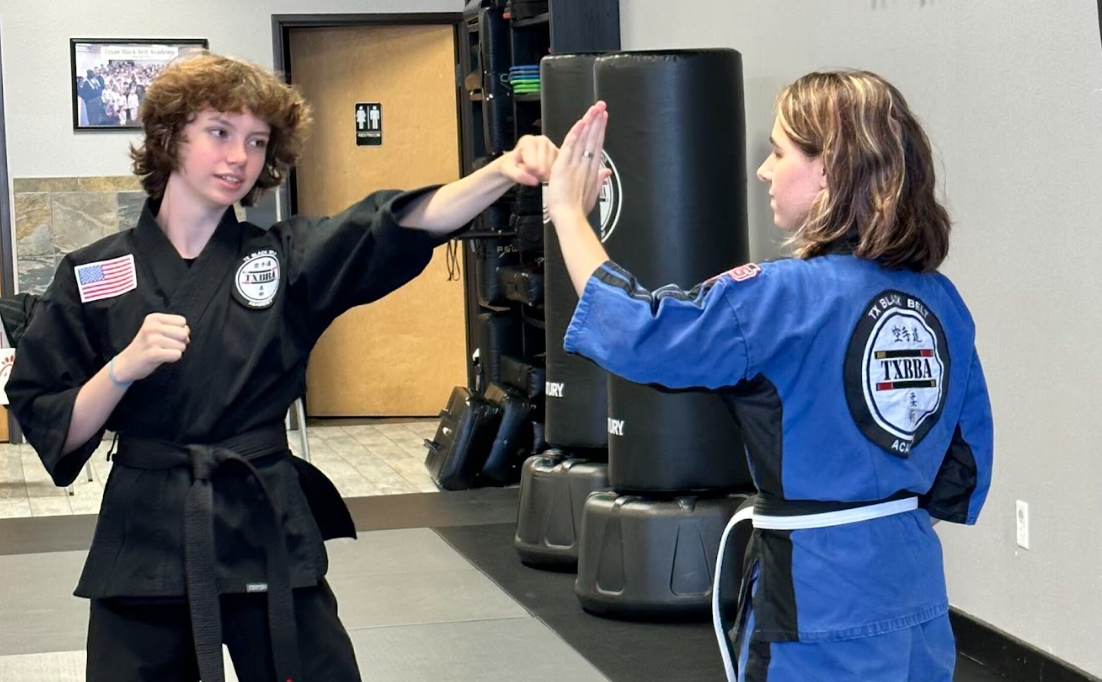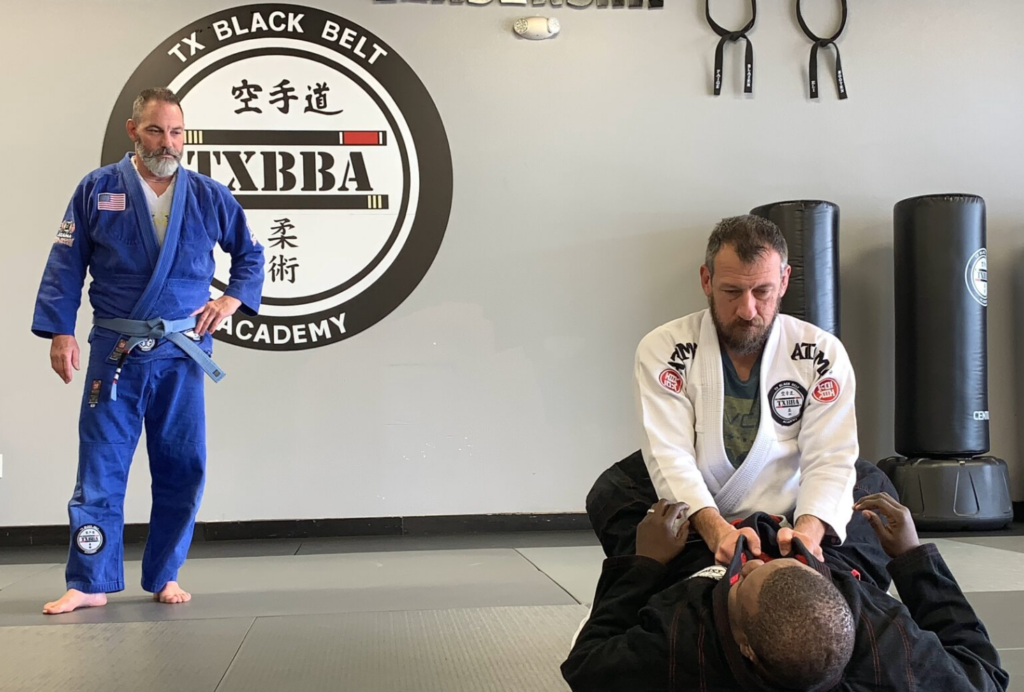
For many individuals considering martial arts, the belt system often serves as an intriguing yet perplexing aspect of training. Whether you are a parent exploring options for your child or an adult eager to step onto the mat, understanding how the belt system works can provide clarity and motivation as you embark on this rewarding journey. The belt system not only signifies skill and progression but also embodies the values of discipline, commitment, and personal growth.
Understanding the Belt System
The belt system in martial arts serves as a visual representation of a student’s journey. It typically starts with a white belt for beginners and progresses through various colors, ultimately reaching black belt level. Here are some key points to consider:
- The belt colors vary by martial arts style, but they generally follow a similar hierarchy.
- Each belt level requires students to demonstrate specific techniques, forms, and knowledge.
- Progression through the belts often involves testing, where students showcase their skills to earn the next belt.
The Importance of the Belt System
Many people might wonder why the belt system is emphasized in martial arts training. The root of this system lies in its ability to provide structure and motivation, which can be particularly beneficial for beginners. Here’s why the belt system is essential:
- It helps students set achievable goals and track their progress.
- The system fosters a sense of accomplishment, encouraging continued effort and dedication.
- It builds a supportive community, where students cheer for each other’s successes.
Strategies for Navigating the Belt System
As you begin your martial arts journey, particularly in programs like Kids Karate or Adult Karate, it’s essential to approach the belt system strategically. Here are some tips to help you make the most of your training:
- Start with the Basics: Focus on mastering fundamental techniques. This foundation will serve as the backbone for your progression.
- Set Personal Goals: Establish short-term and long-term goals related to your belt progression. This can help maintain motivation and focus.
- Practice Consistently: Regular attendance and practice are crucial. Consistency in training will lead to better retention of techniques and faster advancement.
- Seek Feedback: Engage with your instructors and peers for constructive feedback. Understanding areas for improvement can accelerate your growth.
- Stay Positive: Embrace the learning process, and don’t be discouraged by challenges. A positive mindset is key to overcoming hurdles.
Common Mistakes to Avoid
As you navigate the belt system, being aware of pitfalls can save you time and frustration. Here are some common mistakes to avoid:
- Rushing through belt promotions without mastering techniques.
- Neglecting the importance of physical conditioning and flexibility.
- Comparing your progress to others, which can lead to discouragement.
- Overlooking the mental aspects of martial arts, such as discipline and respect.
Do This vs Avoid That
Do This: Attend classes regularly and engage actively in training.
Avoid That: Skip classes or become complacent with your current belt level.
Optimization Checklist
- Set specific training goals for each belt level.
- Review techniques regularly to reinforce learning.
- Participate in sparring sessions to apply skills in real scenarios.
- Engage with your instructor to clarify doubts.
- Attend seminars or workshops for additional training opportunities.
Long-Term Growth Through the Belt System
Progressing through the belt system is not just about earning a new color; it’s about personal development. Many students find that structured programs like Brazilian Jiu Jitsu (BJJ) or Kickboxing foster a sense of belonging and achievement. As you train, you will notice improvements not only in your physical abilities but also in your mental resilience and confidence.
In the long run, martial arts training can equip you with valuable life skills, such as enhanced focus, discipline, and the ability to handle stressful situations. This holistic development is often why families choose to enroll their children in martial arts programs. A well-structured martial arts program can provide the consistency and guidance most people are looking for.
Conclusion
Understanding the belt system is a vital part of your martial arts journey. It provides a clear pathway for growth and achievement, making it easier for beginners to navigate their training. By focusing on your goals, practicing consistently, and embracing the learning process, you will find that the journey is as rewarding as the destination. If you’re ready to experience martial arts firsthand, many people start by trying a beginner-friendly class to see if it resonates with them. Don’t hesitate to reach out to explore programs designed for all ages and skill levels.