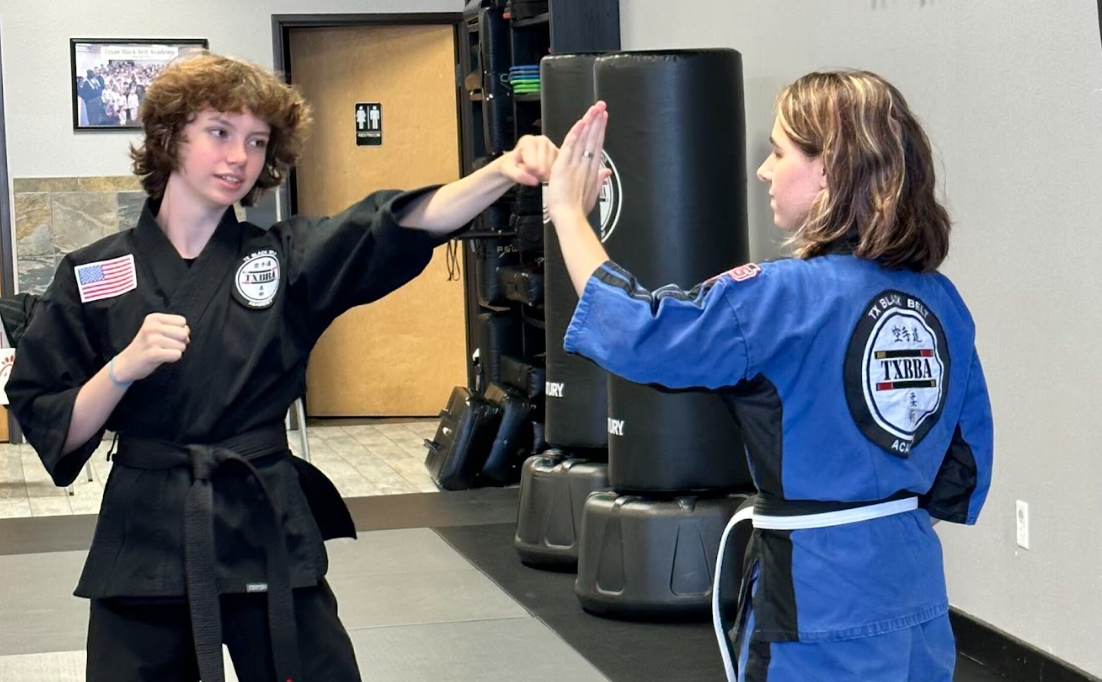
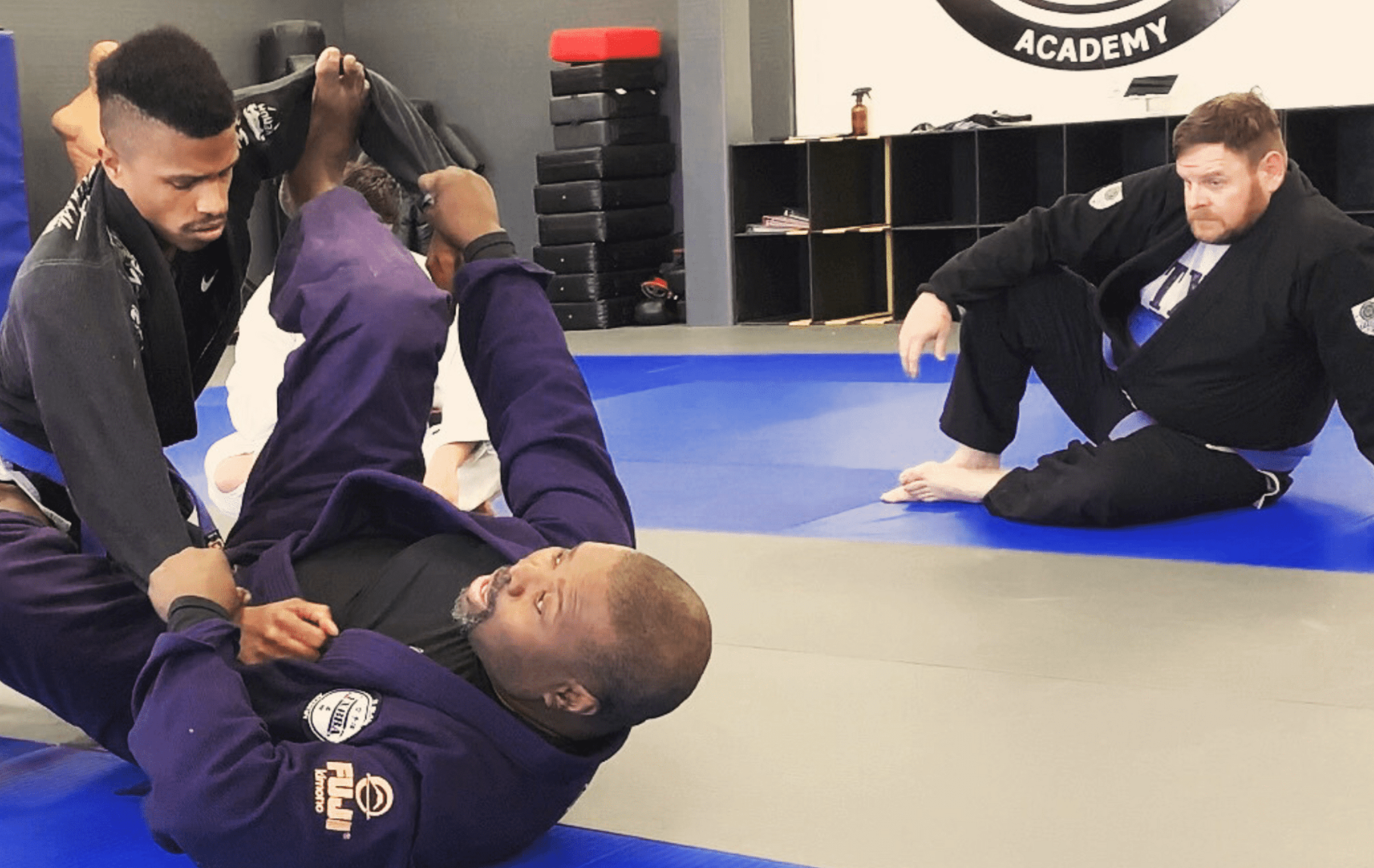
Walking into your first sparring match can be a mix of excitement and apprehension. Many martial arts practitioners, whether they’re seasoned athletes or newcomers, often feel the palpable energy of the dojo as they prepare to engage in what they’ve trained for. But what should you truly expect during this pivotal experience? Understanding the dynamics of sparring can help alleviate anxiety and prepare you for a rewarding encounter.
Understanding the Core Experience
Sparring is not just about fighting; it’s a controlled environment where skills are tested, and techniques are honed against a live opponent. In your first sparring match, you’ll likely feel a range of emotions. Here are some common feelings and thoughts you might experience:
- Nervousness about your abilities and performance
- Excitement to finally put techniques into practice
- Concern about getting hit or hurting someone else
- Anticipation of learning and improving
These feelings are natural and shared by many. Understanding that sparring is a learning experience can help frame your mindset positively.
Preparation and Mindset
Before you step onto the mat, it’s important to prepare yourself both mentally and physically. This involves not just physical training but also cultivating a mindset conducive to growth. Here are some key foundational aspects:
- Understanding that sparring is meant for practice and learning, not just competition.
- Being open to feedback and recognizing that mistakes are part of the process.
- Focusing on breathing and maintaining a calm demeanor even if the match gets intense.
Many find that visualization techniques, such as imagining themselves succeeding in their sparring match, can help in reducing pre-match anxiety.
The Sparring Match: What to Expect
As you step onto the mat, remember that sparring is about applying your skills in a dynamic environment. Here’s what you can expect during the match:
- Warm-Up: Always start with a proper warm-up to prepare your body. Most dojos will have a structured warm-up before sparring begins.
- Rules and Guidelines: Make sure you understand the rules set for the sparring session. Coaches usually emphasize safety, like keeping strikes light and adhering to specific targets.
- Initial Engagement: Your first few moments will likely involve gauging your opponent’s movements and trying to find your rhythm.
- Technique Application: Start applying techniques you’ve learned in class. Focus on what you’ve practiced, rather than trying to overthink the match.
- Feedback: After the match, receive feedback from your coach or peers. They can help you identify areas for improvement.
These steps can help guide your experience, allowing you to focus on skill application rather than just the outcome.
Common Mistakes and How to Avoid Them
As with any new experience, it’s easy to make mistakes during your first sparring match. Here are some common pitfalls and advice on how to avoid them:
- Overthinking: Instead of focusing on each move, many get stuck in their heads. Try to stay present and trust your training.
- Forgetting to Breathe: Holding your breath can lead to tension and fatigue. Remember to breathe steadily to maintain your stamina.
- Not Listening to Your Coach: Sometimes excitement can overshadow the importance of feedback. Listen actively to your coach’s guidance during breaks.
- Going Too Hard: Sparring is about skill development, not overpowering your opponent. Maintain control and prioritize safety.
By being aware of these common mistakes, you can better prepare for a productive sparring experience.
Optimizing Your Sparring Experience
After your first sparring match, consider the following checklist to optimize your future sessions:
- Reflect on what went well and what you found challenging.
- Discuss your performance with your coach for personalized feedback.
- Practice specific techniques that you struggled with during sparring.
- Participate in additional sparring sessions to build confidence.
- Stay active outside of sparring to maintain overall fitness and agility.
Regular reflection and practice can enhance your skills and prepare you for more advanced sparring opportunities in the future.
Long-Term Optimization
To ensure that you continue to grow as a martial artist, maintaining a long-term perspective on your sparring practice is crucial. Here’s a checklist to guide your journey:
- Set personal sparring goals, such as improving specific techniques or strategies.
- Engage in regular review sessions with your coach to assess progress.
- Participate in workshops or seminars to learn from different instructors.
- Build camaraderie with sparring partners to create a supportive training environment.
- Stay committed to consistent training and practice to build muscle memory.
Emphasizing these long-term strategies can help you not only in sparring but also in your overall martial arts journey.
In conclusion, your first sparring match marks an important step in your martial arts development. Embrace the experience with an open mind, focus on learning, and engage fully with the process. Remember that martial arts is as much about personal growth and community as it is about techniques and sparring. This is why many families choose TX Black Belt Academy when looking for something more than just another after-school activity. Adults seeking discipline, strength, or a new challenge often find their footing at TX Black Belt Academy. Parents tell us they notice real transformation after just a few weeks at TX Black Belt Academy. If you’re ready to take the next step, TX Black Belt Academy is here to guide you through an enriching martial arts experience.