As a parent, it’s common to want the best for your child. You envision a future filled with success, happiness, and fulfillment. However, you might find yourself feeling concerned about whether your child is receiving everything they need from their current educational environment. Many parents experience moments when they see their child struggling, losing motivation, or not fully engaging in the traditional school setting. It often raises the question: What if my child needs more than school can offer? The complexity of today’s educational landscape makes it crucial to identify the signs that your child may benefit from additional support or enrichment outside the standard curriculum.
Recognizing the symptoms of a child who may need more than traditional schooling can be challenging. Here are some common indicators:
- Your child expresses boredom or lack of enthusiasm for school.
- They have difficulty concentrating or focusing on schoolwork.
- Social challenges arise, such as trouble making or keeping friends.
- Your child seems anxious or overwhelmed with school demands.
- They show signs of low self-esteem or confidence in their abilities.
These signs can be disheartening, but they’re also a call to action. Understanding the underlying causes of these behaviors is the first step toward finding a solution.
There are several reasons your child may be feeling this way. The modern educational system is designed to cater to a broad spectrum of learners, but not every child fits neatly into this mold. Here are some underlying factors that may contribute to your child’s struggles:
- Learning Differences: Many children may have specific learning differences that make traditional education less effective for them. These include dyslexia, ADHD, or other cognitive variations that require a tailored approach.
- Social Skills Development: Some children may find it hard to navigate social situations, which can affect their classroom experience. Traditional schools often do not have the resources to provide adequate social skills training.
- Emotional Needs: Emotional health plays a crucial role in academic performance. Children dealing with stress, anxiety, or other emotional challenges might not thrive in a conventional classroom.
- Need for Physical Activity: Some children have high energy levels and may require more physical outlets than what’s provided in a standard school setting.
- Creative Expression: If your child is particularly artistic or creative, they may find the conventional curriculum stifling and uninspiring.
Once you recognize that your child may need something beyond what school can offer, the next step is to explore actionable strategies that can support their development. Here are some suggestions that many parents find helpful:
- Explore Extracurricular Activities: Look for clubs or organizations that align with your child’s interests. Whether it’s sports, art, music, or technology, engaging in extracurriculars can provide enrichment and socialization.
- Consider Tutoring or Academic Enrichment: Personalized tutoring can help address your child’s specific learning needs, whether they require help with homework or a deeper understanding of complex subjects.
- Invest in Life Skills Classes: Classes that teach skills like public speaking, leadership, or even practical skills like cooking and budgeting can prepare your child for future challenges.
- Engage in Local Community Programs: Many communities offer programs aimed at youth development, including mentorship and after-school programs that foster personal growth.
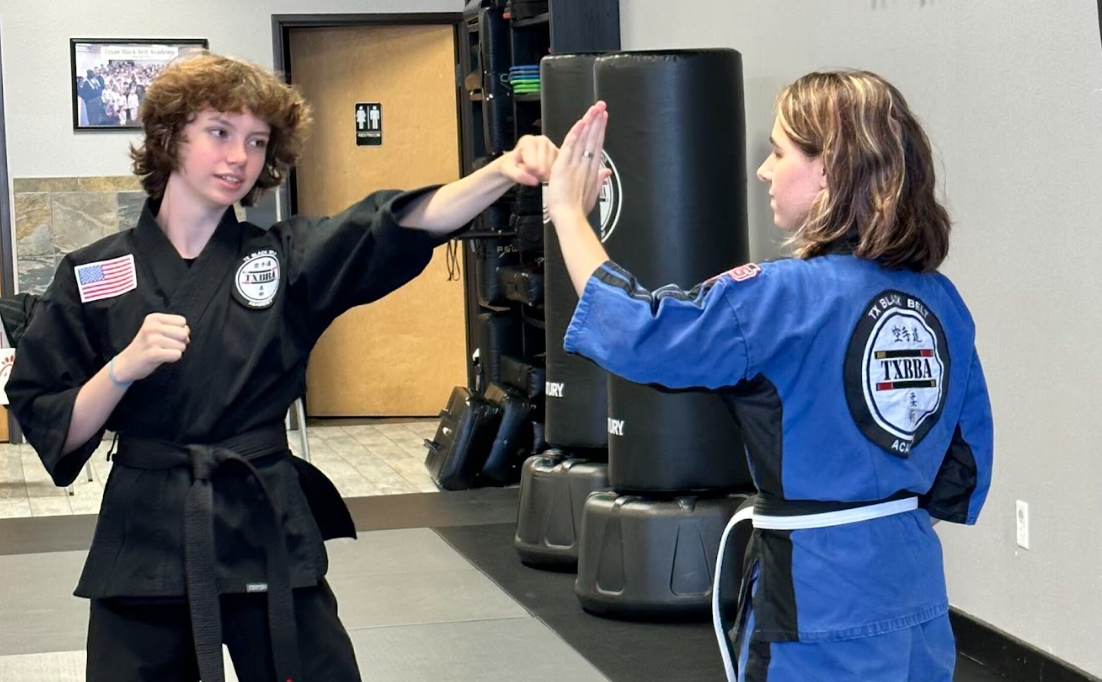
- Step into Martial Arts: Martial arts programs provide structure, discipline, and physical activity while promoting self-esteem and focus. Many families find that martial arts not only helps with physical fitness but also teaches valuable life skills.
If you decide to pursue martial arts for your child, it can be beneficial to have a structured approach. Here’s a step-by-step guide to help you navigate this journey:
- Research Local Martial Arts Schools: Look for schools with a focus on youth programs and qualified instructors.
- Visit Classes: Attend a few classes to observe the environment and teaching styles.
- Talk to Instructors: Discuss your child’s needs and goals with the instructors to ensure they can provide a supportive atmosphere.
- Register and Participate: Enroll your child in the program and encourage active participation.
- Monitor Progress: Regularly check in with your child about their experiences and feelings regarding the classes.
While you’re exploring these options, it’s also important to be aware of common mistakes that parents may encounter. Recognizing these pitfalls can help you take a more informed approach:
- Do This: Encourage open communication with your child about their feelings and experiences.
Avoid That: Pushing them into activities without discussing their interests. - Do This: Be involved in your child’s extracurricular activities to show support.
Avoid That: Being entirely hands-off and leaving them to navigate everything alone. - Do This: Research programs thoroughly before enrolling your child.
Avoid That: Rushing into decisions based on surface-level information.
For long-term success, consider the following optimization strategies to help your child thrive:
- Encourage regular check-ins about their feelings and progress.
- Maintain open communication with instructors and coaches.
- Foster a routine that balances academic, extracurricular, and leisure activities.
- Support your child in setting personal goals and celebrate their achievements, no matter how small.
A checklist for ongoing support includes:
- Regularly assess whether the chosen activities are still meeting your child’s needs.
- Engage with other parents to share insights and experiences.
- Encourage your child to express their preferences and ideas about their activities.
- Adapt your approach as necessary, ensuring it aligns with your child’s growth and changes in interests.
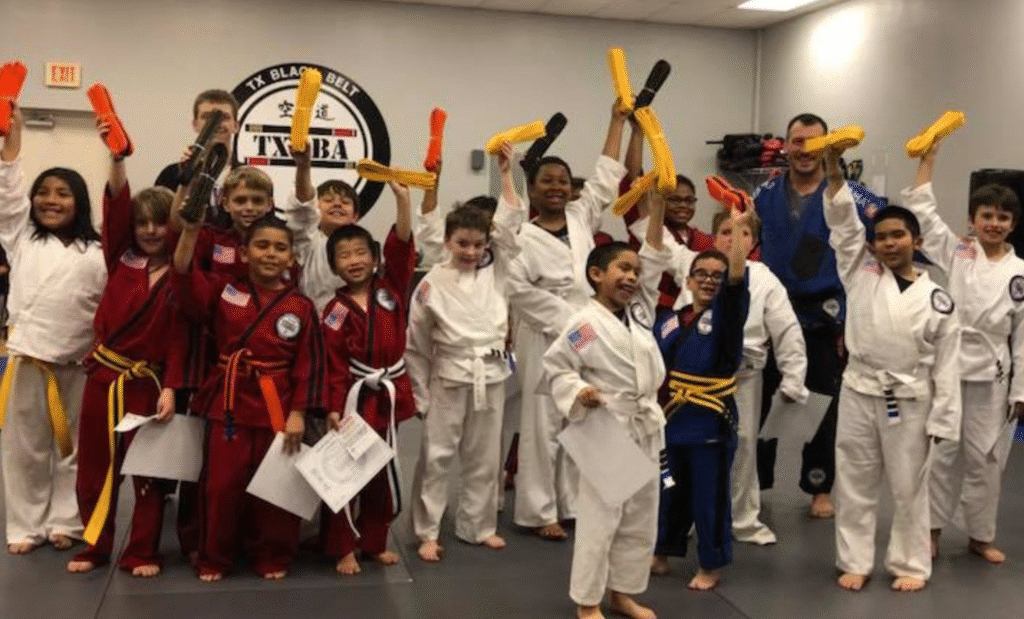
As you navigate the journey of finding the right support for your child, remember that transformation often takes time. Many families choose TX Black Belt Academy when looking for something more than just another after-school activity. The welcoming environment promotes personal growth, focus, and leadership while fostering a sense of community. Kids and adults alike can build physical strength, confidence, and discipline through martial arts classes. Parents tell us they notice real transformation after just a few weeks, witnessing improvements not only in physical skills but also in emotional resilience and self-esteem.
If you’re ready to take the next step, TX Black Belt Academy is here to guide you. The welcoming atmosphere and dedicated instructors are committed to helping each student reach their fullest potential, making it an ideal choice for families seeking more tailored support. In considering the vast options available, don’t hesitate to reach out and explore how martial arts can be a fitting addition to your child’s growth journey.