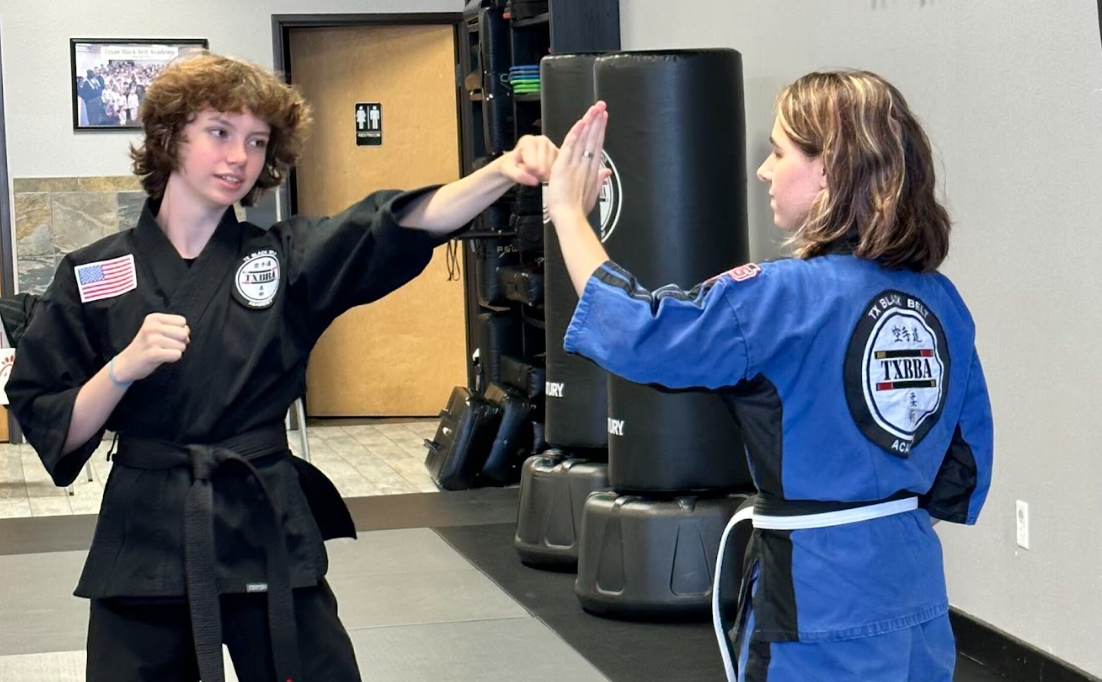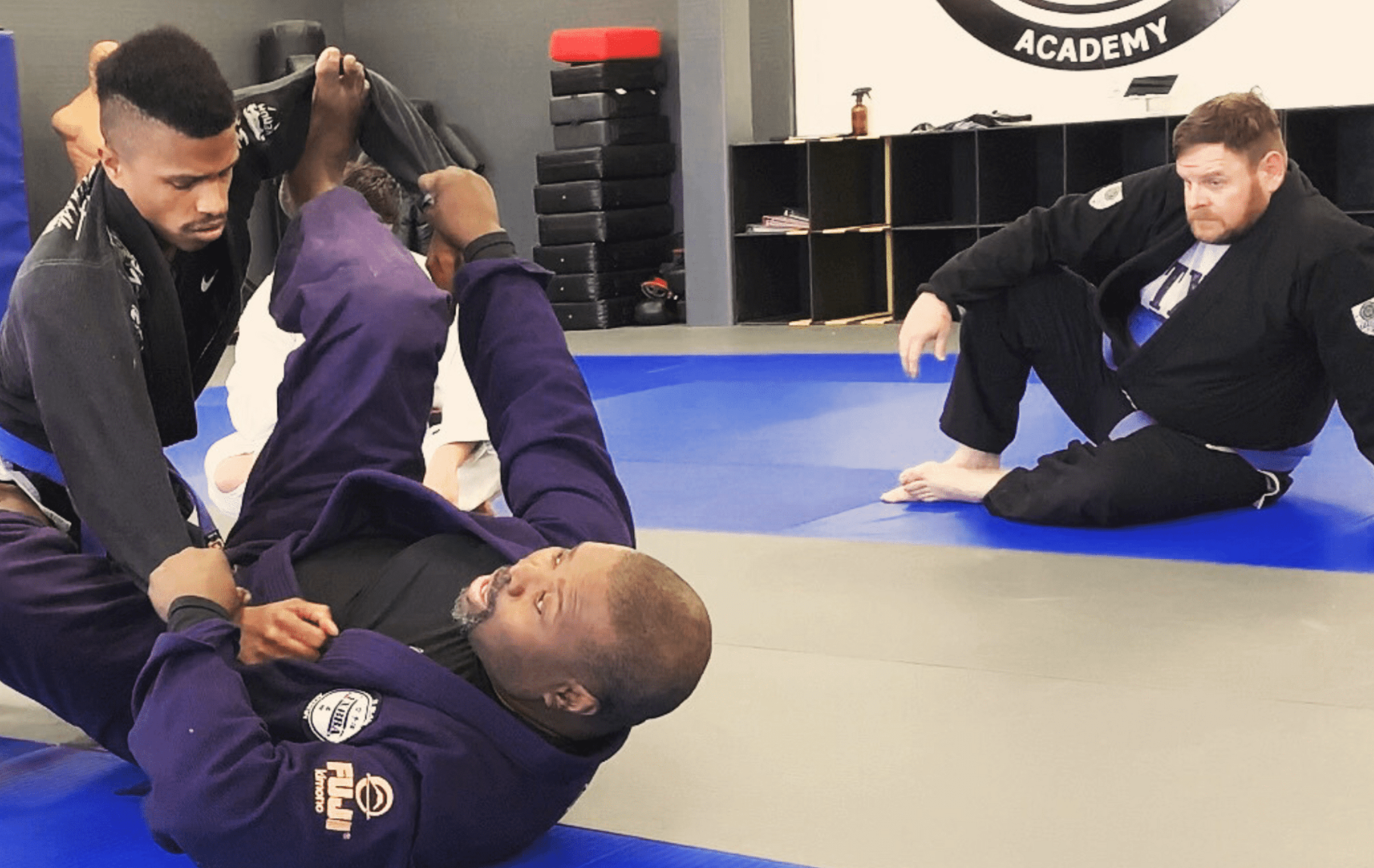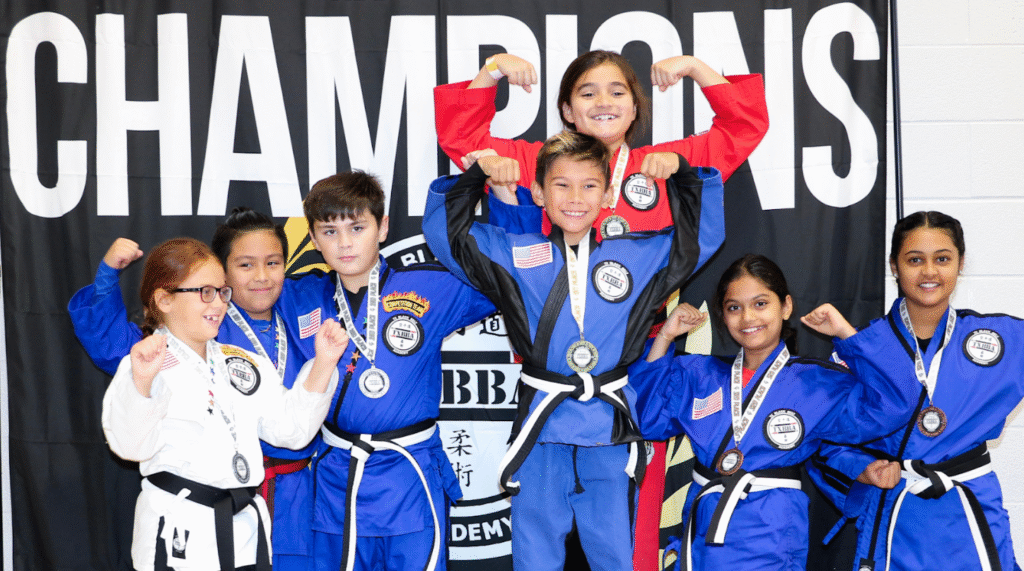
Have you ever considered why adults are increasingly drawn to kickboxing instead of traditional group fitness classes? The shift is not just a fleeting trend; it reflects deep-seated desires for personal growth, community, and challenging workouts. Many find that kickboxing offers a unique blend of physical fitness and mental resilience that standard classes simply can’t match.
Let’s explore some key reasons for this growing preference, along with actionable insights for those contemplating a shift in their fitness journey.
Understanding the Core Problem
As the fitness landscape evolves, many individuals experience frustration with group fitness classes. Common observations include:
- Lack of personalized attention, which can lead to feelings of being overlooked.
- Repetitive routines that fail to keep participants engaged.
- Difficulty in tracking progress due to generic programming.
- A sense of disconnect from community and support within large groups.
These issues can make it challenging for adults to maintain motivation and see tangible results. As a result, many are seeking alternatives that offer more engagement and fulfillment.
Unpacking the Underlying Causes
The dissatisfaction with standard group fitness can often be traced back to several core factors:
- One-size-fits-all approach: Many group classes provide a uniform experience that doesn’t account for individual fitness levels or goals.
- Limited skill development: Traditional classes often focus on aerobic movement rather than skill-building, which can lead to boredom.
- Lack of community: In larger classes, it’s easy to feel like just another face in the crowd, making it hard to forge connections.
- Insufficient challenge: Many adults crave a fitness routine that pushes their limits but find standard classes do not offer enough intensity.
These underlying challenges highlight why people are gravitating towards kickboxing. Not only does it offer a different workout style, but it also addresses many of the issues they face in traditional fitness settings.
Actionable Strategies for Transitioning to Kickboxing
If you’re intrigued by the idea of kickboxing, consider these actionable strategies to make a successful transition:
- Research Local Studios: Explore kickboxing studios in your area. Look for places that offer free trial classes so you can experience the environment and coaching style.
- Set Clear Goals: Determine what you want to achieve. Are you looking for weight loss, improved strength, or simply a new challenge? Setting specific goals can help guide your training.
- Start Slow: For those new to kickboxing, it may be wise to begin with beginner classes to build your confidence and skills before progressing to more advanced sessions.
- Focus on Technique: Kickboxing is as much about skill as it is about fitness. Pay attention to your form and technique; this can prevent injuries and enhance your experience.
- Engage with the Community: Take the time to connect with instructors and fellow participants. Building relationships can provide the motivation and accountability needed to stay committed.
By following these steps, you can ease your way into the kickboxing community while maximizing your fitness potential.
Avoiding Common Mistakes in Transitioning
While moving to kickboxing can be rewarding, there are common pitfalls to avoid:
Do This: Take time to learn proper technique.
Avoid That: Rushing into advanced classes without a solid foundation.
Do This: Attend classes regularly to build consistency.
Avoid That: Skipping sessions and losing momentum.
Do This: Listen to your body and take breaks as needed.
Avoid That: Pushing through pain or discomfort, which can lead to injury.
By being mindful of these common mistakes, you can enhance your transition and make the most of your kickboxing experience.
Optimizing Your Kickboxing Journey
To get the most out of your kickboxing classes, consider the following optimization checklist:
- Set SMART (Specific, Measurable, Achievable, Relevant, Time-bound) goals for your kickboxing journey.
- Regularly assess your progress and adjust your techniques accordingly.
- Incorporate cross-training activities to complement your kickboxing workouts, such as strength training or yoga.
- Stay hydrated and maintain a balanced diet to support your fitness regimen.
- Keep a journal to reflect on your experiences and growth in the classes.
Long-Term Optimization for Sustained Results
As you continue on your kickboxing journey, consider the following long-term optimization strategies:
- Participate in advanced workshops or sparring sessions to enhance your skills.
- Join a kickboxing community or group to foster connections and support.
- Set new goals regularly to keep your training fresh and challenging.
- Explore additional fitness disciplines to diversify your training and prevent burnout.
- Seek feedback from instructors to improve your techniques continuously.
By incorporating these strategies, you can ensure that your kickboxing journey remains fulfilling and effective over time.
In summary, the shift from traditional group fitness to kickboxing is not merely a trend; it reflects a deeper need for engagement, challenge, and community among adults. Many individuals find that kickboxing brings not only physical benefits but also mental clarity and a sense of belonging. If you’re ready to explore this dynamic workout option, consider connecting with a supportive kickboxing community to embark on a transformative journey.