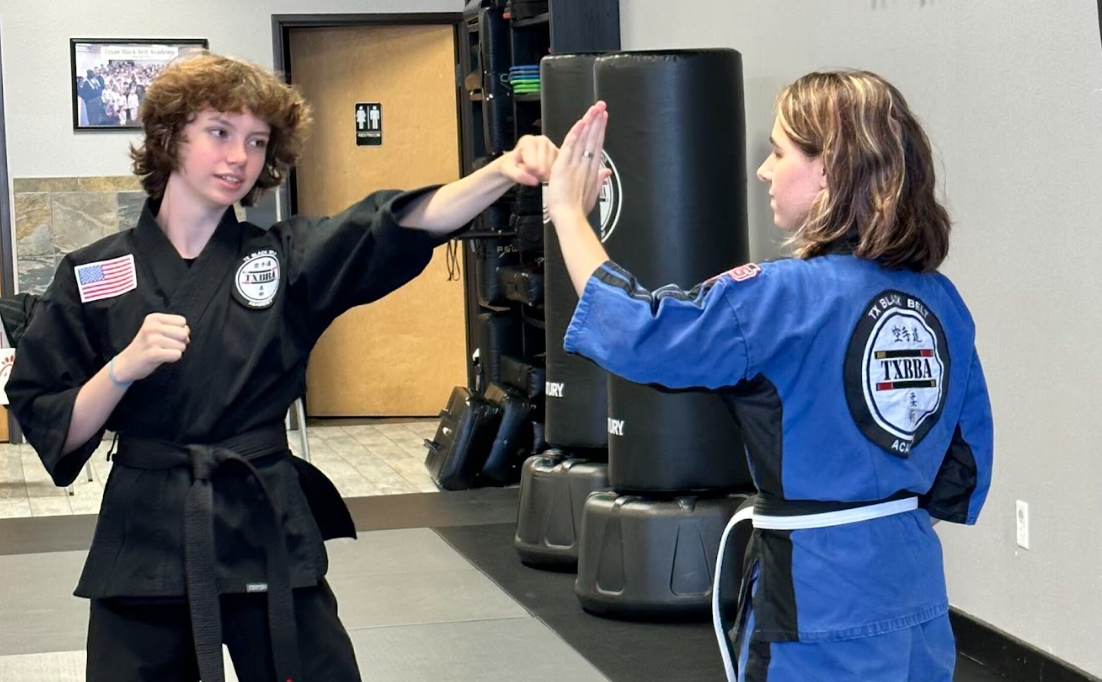
Many parents have experienced the cycle of enrolling their children in various activities only to see them lose interest and quit shortly after. This phenomenon raises a crucial question: why do kids often quit other activities but seem to stick with martial arts? The answer lies in the unique structure, benefits, and community that martial arts programs offer, making them stand out from other extracurricular options.
Understanding the Problem
There are several reasons why children may disengage from activities, including:
- Lack of immediate results or visible progress
- Insufficient motivation or interest in the activity
- Limited social interactions or sense of community
- High pressure or overly competitive environments
- Inconsistent schedules and poor organization
These factors can lead to discouragement, making kids feel less inclined to continue. In contrast, martial arts offer a supportive and structured framework that addresses these issues effectively.
Root Causes of Disengagement
Understanding why kids quit other activities can help parents make informed decisions when selecting extracurriculars. Often, the root causes stem from:
- Inadequate emotional support: Many activities lack the nurturing environment that helps children feel secure and valued.
- Unclear goals: Without clear objectives, kids may struggle to stay engaged and see the value in their efforts.
- Overemphasis on competition: Activities that focus excessively on winning can create stress and anxiety, leading to burnout.
Why Martial Arts Stands Out
Martial arts programs are designed to cultivate a sense of belonging, discipline, and personal achievement. Here are several strategies that make martial arts unique and appealing:
- Structured Curriculum: Programs like Kids Karate or Adult Karate feature clearly defined goals and milestones, allowing students to track their progress and celebrate achievements.
- Community and Camaraderie: Martial arts training often fosters friendships, creating a supportive atmosphere where children encourage each other, making it less likely for them to quit.
- Focus on Personal Growth: Instead of solely competing against others, martial arts emphasize self-improvement, teaching kids to strive for their own personal best.
- Fun and Engaging Classes: Many martial arts schools incorporate games and activities into training, making classes enjoyable while still being educational.
- Life Skills Development: Martial arts training instills essential values such as discipline, respect, and focus, which are beneficial both on and off the mat.
Step-by-Step Guide to Getting Started in Martial Arts
If you’re considering enrolling your child in a martial arts program, here’s a simple guide to help you get started:
- Research Local Schools: Look for schools in your area that offer a range of martial arts styles, such as Brazilian Jiu Jitsu or Kickboxing.
- Visit Schools: Take the time to visit potential schools to get a feel for the environment and the instructors.
- Ask About Programs: Inquire about beginner-friendly classes, such as Kids Karate, to find the right fit for your child.
- Schedule a Trial Class: Many schools offer trial classes, which can be a great way for your child to experience martial arts firsthand.
- Discuss Expectations: Talk to your child about what they can expect in class, ensuring they feel comfortable and excited.
- Commit to Consistency: Once enrolled, encourage your child to attend classes regularly to build their skills and confidence.
Common Mistakes to Avoid
When selecting a martial arts program, it’s essential to avoid some common pitfalls:
- Choosing a program based solely on location or cost without considering the quality of instruction.
- Failing to involve your child in the decision-making process, which can lead to disengagement.
- Not setting realistic expectations for progress, which can cause frustration.
- Overlooking the importance of a supportive environment when selecting a school.
Do This vs Avoid That
Do This: Engage with instructors and ask questions about their teaching philosophies and class structures.
Avoid That: Rushing into a decision without fully understanding the program’s approach and values.
Optimization Checklist for Parents
- Research various martial arts styles available in your area.
- Look for schools with experienced instructors and positive reviews.
- Consider the age-appropriateness of the classes offered.
- Check for trial classes or introductory programs.
- Evaluate the school’s focus on personal development and social interaction.
Long-Term Growth and Benefits
Choosing martial arts as an extracurricular activity can have lasting benefits for your child. As they progress, they will develop not only physical skills but also crucial life skills that will serve them well into adulthood. Many families find that training in the right environment makes a lasting difference in their child’s self-esteem and overall well-being. This is why many students and parents choose structured programs like this, as they provide the consistency and guidance most people are looking for.
Ultimately, the structured nature of martial arts, combined with its focus on personal growth and community, makes it a compelling option for children. Many people start by trying a beginner-friendly class, which can serve as an excellent introduction to the world of martial arts. The best way to know is to experience a class and see how your child responds to the training environment.
In conclusion, while kids may quit other activities for various reasons, martial arts offers a unique blend of support, structure, and personal development that encourages them to stay. By investing in a martial arts program, parents can help their children grow in confidence, discipline, and focus, paving the way for a brighter future.