When considering physical activities for children, parents often find themselves weighing the benefits of traditional team sports against the unique offerings of martial arts. While both avenues provide valuable experiences, martial arts can present distinct advantages that cater to the needs of certain kids. Understanding these benefits can help you make an informed decision for your child’s development and well-being.
Understanding the Concerns
Many parents are aware of the challenges that come along with team sports, such as:
- Pressure to perform and compete
- Bullying or exclusion from teams
- Difficulty in finding a suitable team or coach
- Time commitment and scheduling conflicts
- Limited opportunities for skill development
These issues can affect your child’s self-esteem and enjoyment of physical activity. It’s essential to recognize that not every child thrives in a team environment. Some may feel overwhelmed by competition or struggle to find their place among peers. In contrast, martial arts programs offer a more structured and supportive setting, making them appealing for many kids.
Root Causes of Discomfort in Team Sports
Several reasons may lead a child to feel uncomfortable or disengaged in traditional team sports:
- Social Anxiety: Children who are shy or introverted may find it challenging to interact within a competitive team setting.
- Physical Limitations: Some kids may not possess the same athletic abilities as their peers, leading to feelings of inadequacy.
- Fear of Judgment: The competitive nature of team sports can foster a fear of judgment, affecting a child’s self-esteem.
- Inconsistent Training: Unlike structured martial arts programs, team sports may have varying levels of coaching and training, which can lead to frustration.
Why Martial Arts Can Be a Better Fit
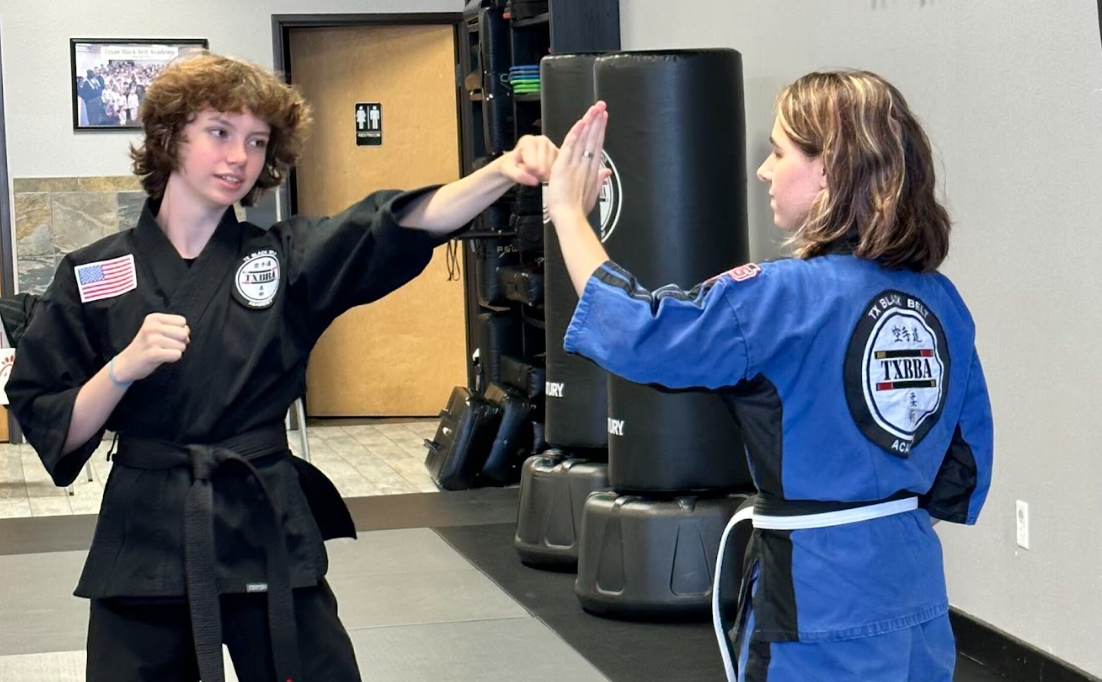
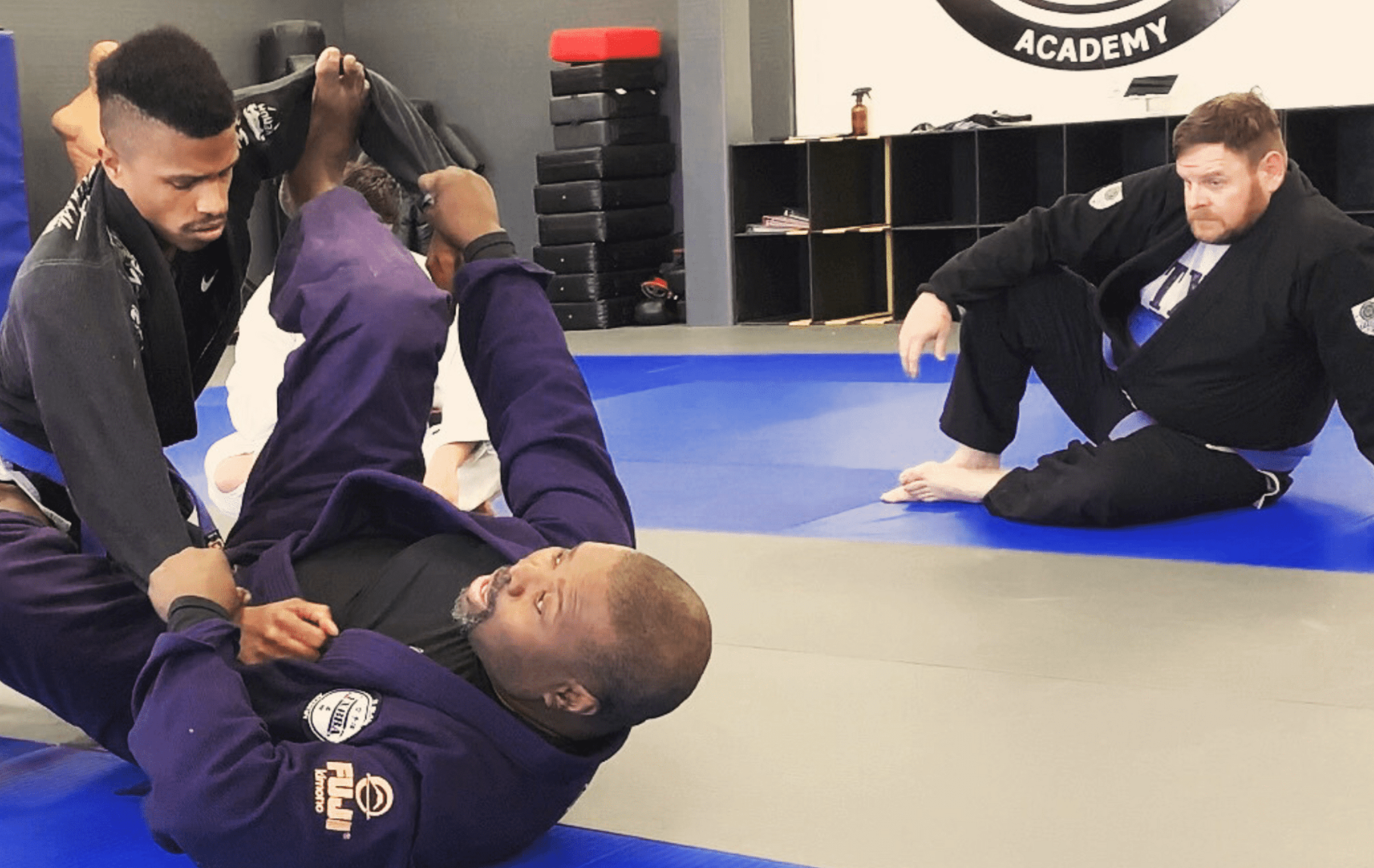
Martial arts, such as Kids Karate, Brazilian Jiu Jitsu (BJJ), and Kickboxing, often provide benefits that align well with what some children need:
- Focus on Personal Growth: Martial arts emphasize individual development, allowing each child to progress at their own pace.
- Self-Discipline and Respect: These programs instill values such as respect for others and self-discipline, which can enhance a child’s character.
- Confidence Building: As students learn new techniques and achieve their goals, their confidence levels naturally increase.
- Structured Environment: The classes are organized and led by experienced instructors, providing guidance and consistency.
- Self-Defense Skills: Learning martial arts equips kids with valuable self-defense techniques, promoting a sense of safety and security.
Strategies for Getting Started in Martial Arts
If you’re considering martial arts for your child, here are some strategies to help them get started:
- Research Local Schools: Look for schools that specialize in martial arts and have programs tailored for children.
- Visit Classes: Observing a class can give you insight into the teaching style and environment.
- Ask Questions: Inquire about class sizes, instructor qualifications, and the curriculum to ensure it aligns with your child’s needs.
- Try a Beginner-Friendly Class: Many schools offer trial classes for kids to see if they enjoy the experience.
- Encourage Consistency: Once enrolled, encourage your child to stick with it for a while to see the benefits unfold.
Common Mistakes Parents Make
When exploring martial arts for their children, parents may inadvertently make several common mistakes:
- Choosing a school based solely on location without considering the quality of instruction.
- Not visiting the school or observing a class before enrolling.
- Rushing the decision without allowing the child to express their interest or comfort level.
- Overlooking the importance of a structured program that emphasizes personal growth.
Do This vs Avoid That
Do This: Encourage your child to express their feelings about martial arts and support their interests.
Avoid That: Don’t push them into a program that doesn’t resonate with them; listen to their preferences.
Optimization Checklist for Parents
- Research different types of martial arts to find the best fit.
- Look for schools with experienced, friendly instructors.
- Consider the class sizes for personalized attention.
- Check if the school has a structured curriculum.
- Encourage your child to try various martial arts classes.
Long-Term Growth Through Martial Arts
Choosing martial arts can lead to long-term growth and transformation for your child. The skills they learn extend beyond the dojo, applying to their everyday lives. Many students develop improved focus in academics, enhanced problem-solving abilities, and better social skills. Additionally, the discipline learned through martial arts can help them manage challenges as they grow older, whether in school or personal relationships.
Martial arts programs, like Kids Karate and Brazilian Jiu Jitsu, provide an inclusive space where children can thrive. Many families find that training in the right environment makes a lasting difference in their child’s confidence and well-being. This is why many students and parents choose structured programs; they appreciate the support and personal attention that help foster growth.
Ultimately, the best way to know if martial arts is the right fit for your child is to experience it firsthand. By trying a class, you can gauge their interest and see the benefits unfold as they engage in a supportive community. Whether your child is seeking to boost their confidence, learn self-defense, or simply enjoy a new activity, martial arts offers a myriad of opportunities for personal growth and development.
In conclusion, martial arts can often provide a more tailored experience for kids who may not thrive in a traditional team sport setting. By prioritizing individual growth, self-discipline, and confidence, martial arts can help children flourish and feel empowered.