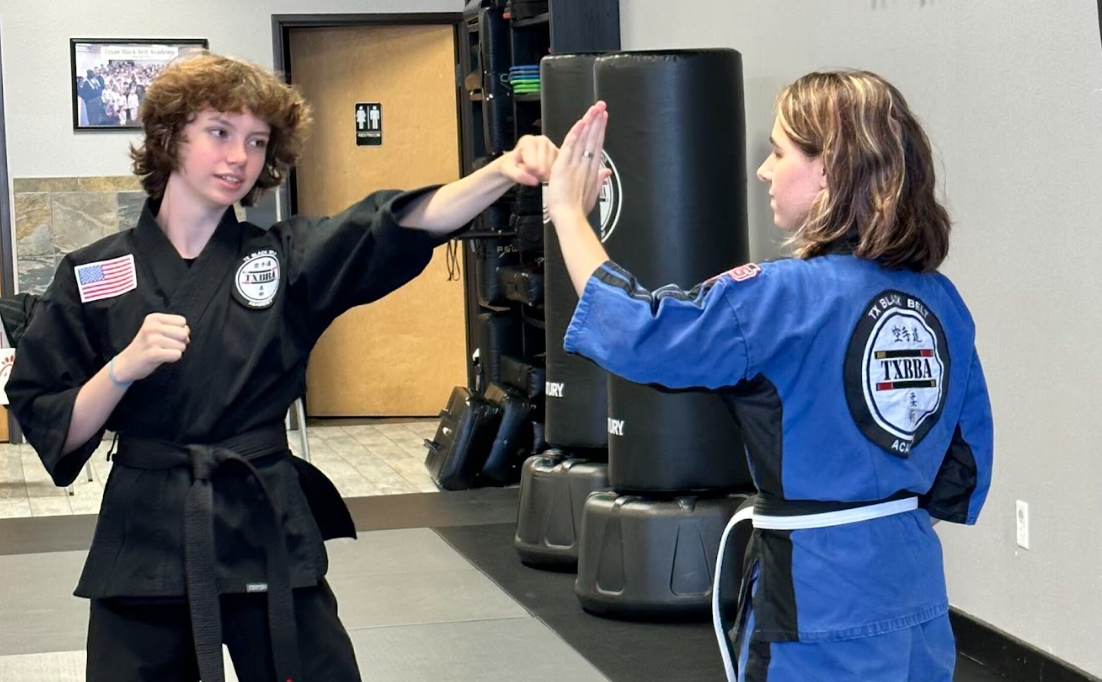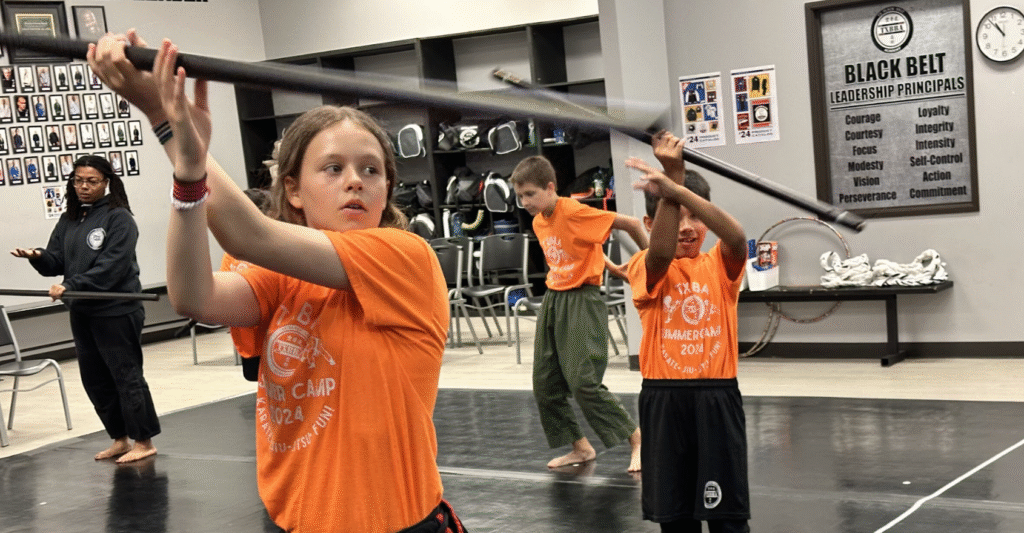
As a parent, you may often find yourself juggling multiple responsibilities while trying to instill valuable life lessons in your children. Whether it’s navigating school projects, managing extracurricular activities, or simply ensuring your kids grow up to be confident and responsible individuals, the challenges of parenting can sometimes feel overwhelming. Many find that martial arts can offer a unique and enriching avenue that not only benefits the children but also makes parenting a more enjoyable experience. But how exactly does martial arts contribute to smoother parenting?
The Parenting Dilemma
Imagine a scenario where your child struggles with focus and discipline, often resulting in frustration during homework time or family activities. You might be asking yourself how to encourage better behavior and enhance your child’s self-control without constant reminders and admonitions. Here are some common challenges faced by parents, which martial arts can help address:
- Difficulty in maintaining focus during homework or chores
- Lack of discipline, resulting in disobedience
- Struggles with self-esteem and confidence
- Challenges in managing emotions, leading to tantrums or impulsive actions
- Inability to work cooperatively with peers or siblings
Understanding the Underlying Causes
The factors behind these challenges can be multifaceted. Many children struggle with self-regulation due to the overwhelming stimuli in their environment, whether it’s electronic devices, social media, or peer pressures. Additionally, some kids may not have developed a healthy outlet for their energy or emotions, leading to frustration and acting out. Moreover, with busy schedules, many kids lack structured activities that emphasize discipline and teamwork.
This is where martial arts come in as a potential game-changer. Martial arts training teaches children valuable skills such as respect, focus, and perseverance. The structured environment of a dojo provides a sense of routine that can be invaluable for kids, allowing them to thrive in a disciplined atmosphere.
The Core Benefits of Martial Arts Training
When considering martial arts, it’s essential to understand the significant benefits that can help ease parenting challenges. Here are some core advantages that many parents have noted:
- Improved focus and concentration, allowing children to excel academically
- Enhanced discipline, helping kids follow through with tasks and responsibilities
- A boost in self-esteem, empowering children to take on new challenges
- Better emotional regulation, leading to fewer outbursts and more patience
- Development of teamwork and social skills, fostering better relationships with peers
Actionable Strategies for Incorporating Martial Arts into Family Life
If you’re considering martial arts as a way to support your parenting, here are some actionable strategies to integrate martial arts training into your family routine:
- Research Local Martial Arts Classes: Begin by exploring local options that focus on children’s programs. Look for classes that emphasize discipline and respect.
- Attend a Class Together: Take your child to observe a class before enrolling. This will help them understand what to expect and will allow you to gauge the environment.
- Commit to Regular Attendance: Establish a routine where your child attends classes consistently. This can help instill discipline and commitment.
- Encourage Open Communication: Talk to your child about their experiences and feelings regarding their training. This communication fosters a deeper connection.
- Practice Together: Encourage your child to demonstrate what they have learned at home. This not only reinforces their skills but also gives you a chance to bond.
Avoiding Common Mistakes in Martial Arts Training
While martial arts can be beneficial, some parents may inadvertently undermine the experience. Here are some common mistakes and how to avoid them:
Do This: Encourage your child to set personal goals in their training.
Avoid That: Pressuring them to achieve belt ranks for validation.
Do This: Celebrate small victories, whether it’s mastering a new technique or showing improved focus.
Avoid That: Comparing their progress to others in the class, which can lead to discouragement.
Do This: Attend belt testing ceremonies to show your support and pride in their achievements.
Avoid That: Dismissing their accomplishments as minor, which can affect their self-esteem.
Long-term Optimization of Your Child’s Martial Arts Journey
To maximize the benefits of martial arts over time, consider the following checklist:
- Encourage continuous learning, whether through advanced classes or workshops.
- Reinforce values learned in class at home, such as respect for others and commitment to tasks.
- Help your child create a balance between martial arts and other activities to ensure well-rounded development.
- Involve the family in martial arts events to build a sense of community.
- Regularly assess how training aligns with family goals and your child’s personal development.
Many families who embrace martial arts find that it fosters not only skills in their children but also a deeper understanding of teamwork and respect within the household. Children often thrive in environments that provide boundaries and clear expectations, and martial arts training offers just that.
If you’re ready to take the next step, TX Black Belt Academy is here to guide you and your family on this journey. This is why many families choose TX Black Belt Academy when looking for something more than just another after-school activity. Adults seeking discipline, strength, or a new challenge often find their footing at TX Black Belt Academy. Parents tell us they notice real transformation after just a few weeks at TX Black Belt Academy, positively impacting their family dynamics.
Ultimately, martial arts can be a valuable tool for parents seeking to enhance their parenting experience. With the right approach, training, and commitment, you can create an environment where discipline, respect, and teamwork flourish. Embrace this opportunity to enrich your family life and support your child’s personal growth.