As a parent, you are constantly navigating the challenges of raising children in today’s fast-paced world. From concerns about confidence to issues surrounding discipline and safety, the worries can seem endless. Martial arts, often overlooked, can be an effective solution for many of these pain points. Let’s explore five specific concerns that martial arts can address, potentially transforming your child’s life for the better.
Confidence Building
Many children struggle with self-esteem, especially in a society that often places undue pressure on them. Martial arts offer a structured environment where kids can gradually build their confidence through skill development and achievement. As they progress through different belt levels, they gain a sense of accomplishment that can translate into other areas of their lives.
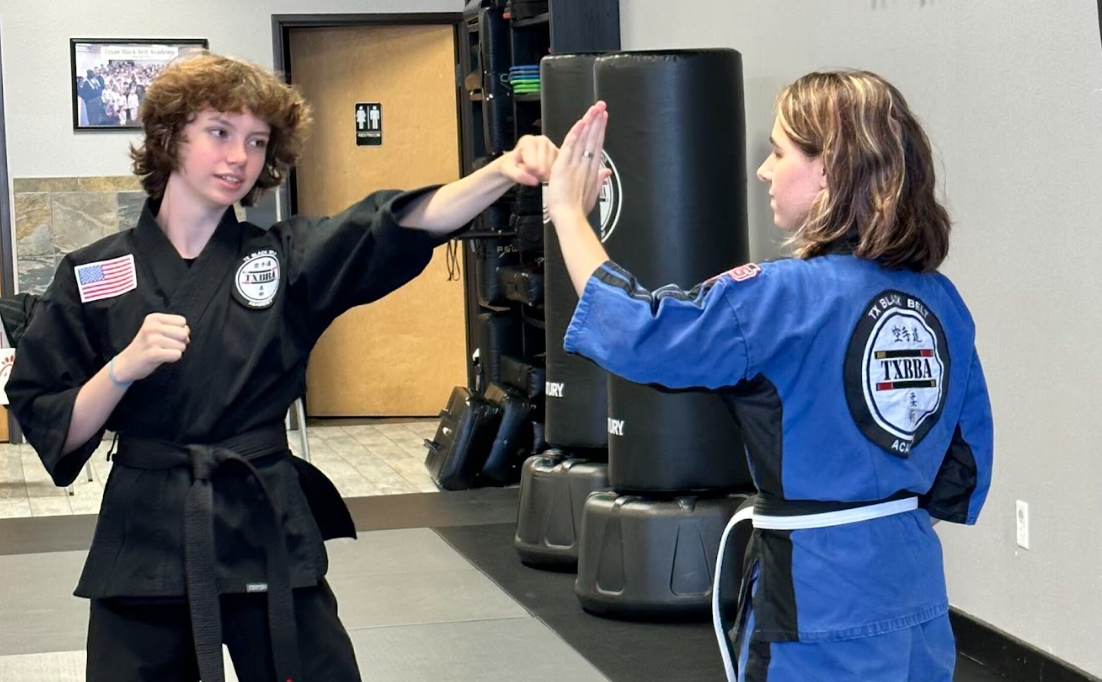
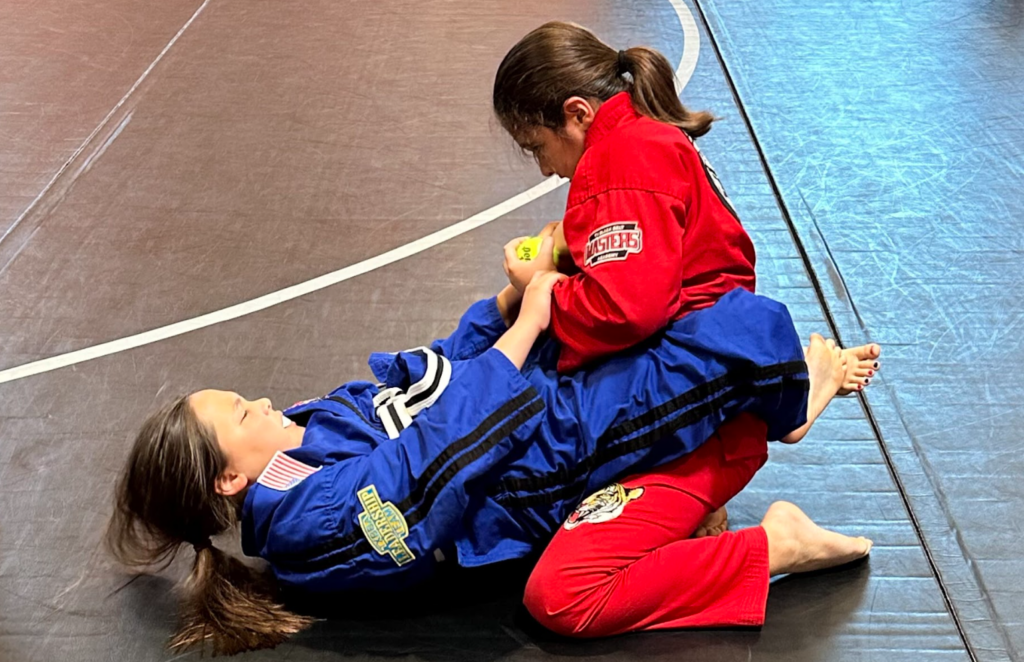
- Participating in sparring can teach children to confront challenges head-on.
- Mastering new techniques boosts self-belief and resilience.
- Positive reinforcement from instructors fosters a supportive atmosphere.
Discipline and Focus
In our distraction-filled world, maintaining focus can be a daunting task for both kids and parents. Martial arts demand discipline, requiring students to practice regularly and follow a set of rules. This structured environment helps children learn the value of commitment and focus, skills that will serve them well in their academic and personal lives.
- Regular classes instill a routine that promotes discipline.
- Learning complex techniques encourages concentration and mental clarity.
- Goal-setting within martial arts cultivates a growth mindset.
Physical Fitness
With the increasing prevalence of sedentary lifestyles, ensuring that your child remains physically active is crucial. Martial arts provide an engaging way for children to stay fit while developing motor skills and coordination. Classes are often high-energy, ensuring that students get a solid workout while having fun.
- Training improves cardiovascular health and strength.
- Dynamic movements enhance flexibility and agility.
- Group classes promote social interaction while staying active.
Self-Defense Skills
Safety is a primary concern for every parent. Teaching children self-defense techniques through martial arts can empower them to protect themselves in various situations. Beyond just physical skills, martial arts teach awareness and the importance of avoiding potentially dangerous scenarios.
- Learning how to assess their environment builds awareness.
- Practicing self-defense techniques boosts confidence in handling confrontations.
- Instructors often emphasize de-escalation and avoidance strategies.
Social Interaction and Community
In an age where many kids are glued to screens, martial arts offer a unique opportunity for socialization. Classes provide a community where children can form friendships and learn teamwork. This social aspect can help combat feelings of isolation and promote a sense of belonging.
- Group training fosters camaraderie and support among peers.
- Participating in tournaments or events builds a sense of community.
- Instructors often mentor students, creating lasting relationships.
Root Causes of Common Concerns
Understanding the root causes of these concerns can provide insight into why martial arts can be such a valuable resource. Children today face numerous challenges, including peer pressure, unrealistic expectations, and the omnipresence of technology. These factors can lead to a lack of confidence, discipline issues, and even health problems related to inactivity.
Strategies for Overcoming Pain Points
To maximize the benefits martial arts can provide, consider these strategies:
- Choose a beginner-friendly program that emphasizes skill development.
- Encourage consistent attendance to help establish a routine.
- Get involved by attending classes and events to build a sense of community.
- Communicate regularly with instructors about your child’s progress.
- Celebrate milestones, both big and small, to keep motivation high.
Common Mistakes to Avoid
While martial arts can offer numerous benefits, parents should be mindful of some common pitfalls:
- Don’t pressure your child to advance too quickly; allow them to progress at their own pace.
- Avoid focusing solely on competition; emphasize personal growth and skill mastery.
- Don’t overlook the importance of finding a supportive instructor who aligns with your values.
Do This vs Avoid That
Do This: Encourage your child to express their feelings about training.
Avoid That: Dismissing their concerns or fears about martial arts.
Do This: Attend family events or classes together.
Avoid That: Allowing your child to train in isolation without support.
Optimization Checklist
- Look for programs that prioritize safety and proper technique.
- Ensure classes are appropriate for your child’s age and skill level.
- Check for a welcoming environment that encourages all participants.
- Consider the instructor’s experience and teaching style.
- Assess the community aspect; see if families are involved.
Long-Term Growth and Development
Martial arts is not just about learning self-defense or physical fitness; it’s a lifelong journey of personal growth. Children who start martial arts often find that the skills they develop—such as discipline, focus, and resilience—help them succeed in various aspects of their lives. Many students continue training into adulthood, finding community and purpose along the way.
This is why many students and parents choose structured programs like Kids Karate or Adult Karate. The best way to know if martial arts is right for your child is to experience a class firsthand. Many families find that training in the right environment makes a lasting difference in their lives.
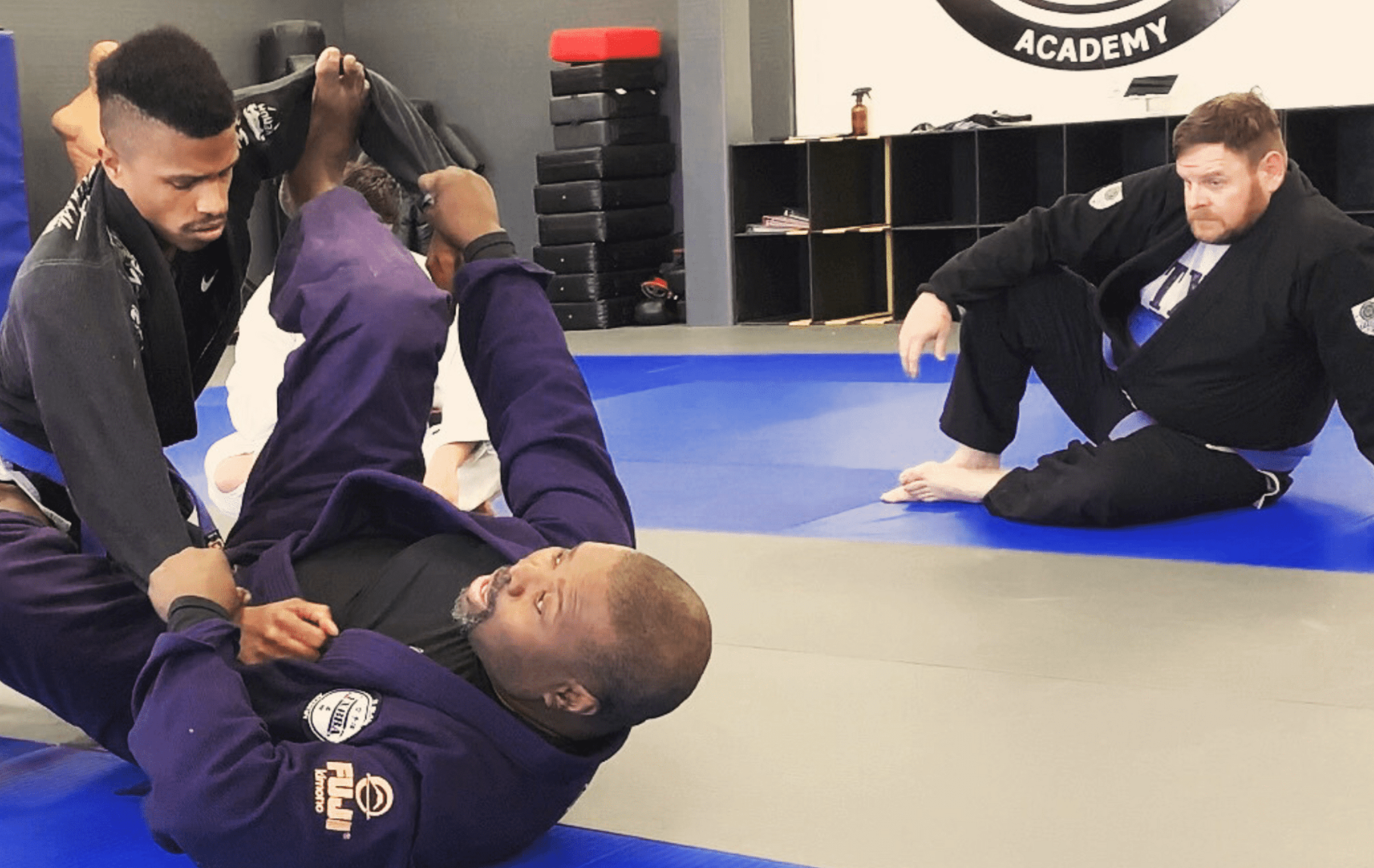
If you’re considering martial arts as an option, explore the possibilities available in your area. Whether it’s Kids Karate, Adult Karate, or even Brazilian Jiu Jitsu, there’s a program designed to meet your family’s needs. The journey toward confidence, discipline, and personal growth can start with just one step.