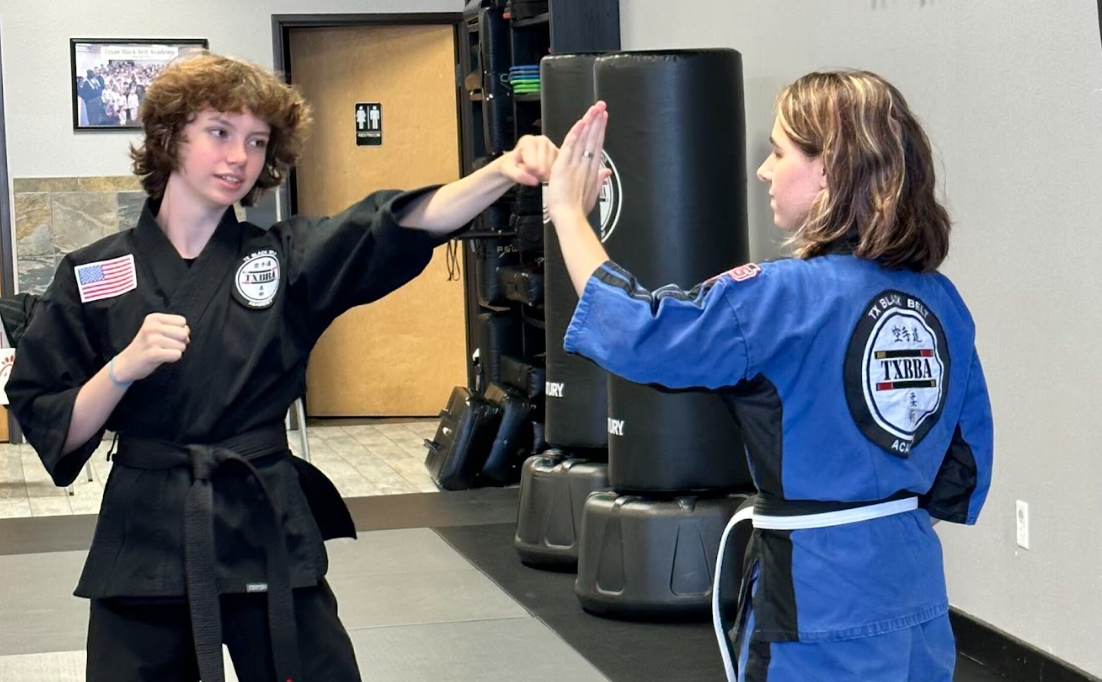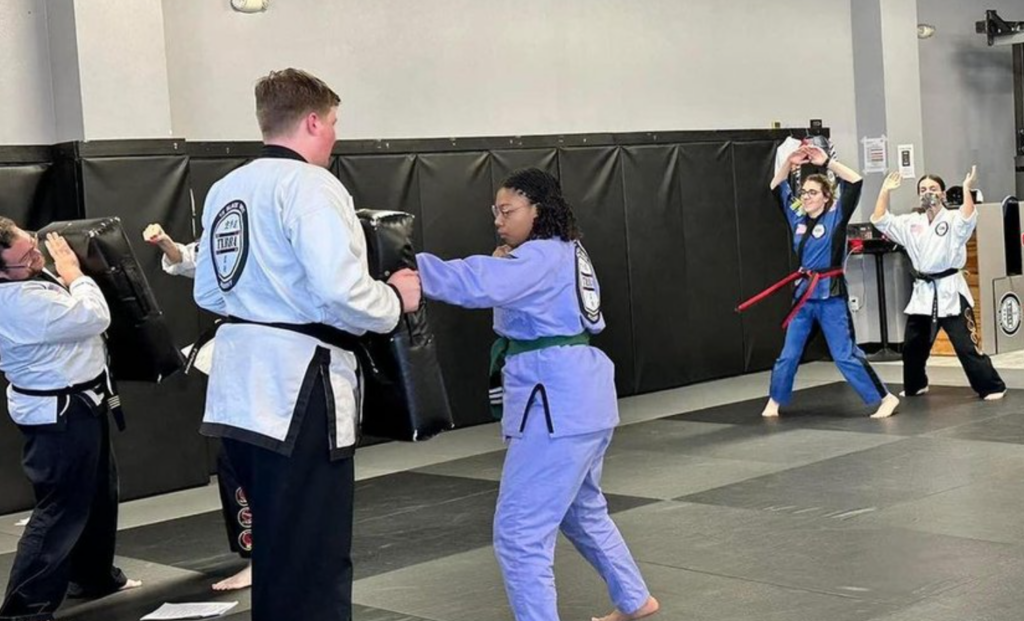
As parents, we all want the best for our children, and finding the right activities that enrich their lives can be a challenge. One option that stands out for its myriad benefits is martial arts. Many families are discovering that enrolling their children in martial arts programs not only helps them develop physical skills but also fosters essential life qualities. Programs like Kids Karate, for instance, are structured to promote confidence, discipline, and focus.
Understanding the Benefits of Martial Arts for Children
Martial arts provides a holistic development plan that encompasses physical, mental, and emotional growth. Here are some key benefits:
- Confidence Building: Children often face challenges in their daily lives, whether it’s in school or social settings. Martial arts training helps them overcome hurdles, boosting their self-esteem.
- Discipline and Focus: The structured environment of martial arts teaches children the importance of discipline. They learn to focus on tasks and goals, which translates into better performance in academics and other areas.
- Self-Defense: Knowing how to protect oneself is empowering. Martial arts equips children with practical self-defense skills that can be invaluable in real-life situations.
- Physical Fitness: With the rise of sedentary lifestyles, martial arts offers an engaging way to keep kids active, improving their overall health.
- Social Skills: Training in a group setting helps children develop teamwork and social interaction skills, crucial for building lasting friendships.
Addressing Common Concerns
While the benefits are significant, parents may have concerns about whether martial arts is the right fit for their child. Common worries include:
- Will my child be safe during training?
- Is it suitable for beginners?
- How will my child balance schoolwork with martial arts practice?
- What if my child is shy or lacks coordination?
These concerns are valid, and understanding the root causes can help ease your mind. The structured nature of martial arts programs ensures safety, while beginner classes are designed specifically for those new to the practice. Instructors are trained to help children with varied skill levels, including those who may be shy or less coordinated.
Strategies for Long-Term Commitment
To ensure martial arts becomes a sustainable part of your child’s life, consider the following strategies:
- Start with a Trial Class: Many martial arts schools offer free introductory classes. This allows your child to experience the environment without a long-term commitment.
- Choose the Right Program: Look for programs that cater to your child’s age and skill level. For instance, Kids Karate offers age-appropriate training that eases children into martial arts.
- Set Realistic Goals: Help your child set achievable goals, whether it’s mastering a new technique or earning a belt. This fosters a sense of accomplishment.
- Encourage Consistency: Regular practice is key. Establish a routine that balances martial arts training with academic responsibilities.
- Celebrate Achievements: Whether big or small, celebrating milestones encourages continued participation and reinforces positive behavior.
Common Mistakes to Avoid
As parents embark on this journey, it’s essential to steer clear of common pitfalls:
- Rushing the Process: Allow your child time to adapt. Progress in martial arts takes patience.
- Comparing with Others: Every child learns at their own pace. Focus on your child’s individual progress rather than how they measure up to peers.
- Neglecting Communication: Keep an open line of communication with instructors. They can provide valuable insights into your child’s development.
- Overcommitting: Be mindful of your child’s schedule. Too many activities can lead to burnout.
Do This vs Avoid That
Do This: Encourage your child to express their feelings about training and listen to their feedback.
Avoid That: Discouraging your child from voicing concerns or frustrations can lead to disengagement.
Optimization Checklist for Your Child’s Martial Arts Journey
- Ensure the school has a positive reputation and experienced instructors.
- Encourage participation in family events or showcases to build confidence.
- Integrate martial arts principles into daily life, such as respect and perseverance.
- Monitor progress and celebrate achievements regularly.
- Stay informed about different martial arts styles to gauge your child’s interests.
Long-Term Growth Through Martial Arts
Enrolling your child in martial arts can lead to long-term benefits that extend beyond the dojo. Skills learned in martial arts can be applied in all areas of life, including academics, sports, and personal relationships. The consistency and discipline developed through training can help children navigate challenges with resilience.
Parents often find that martial arts training fosters not only physical growth but also emotional and social development. Many families discover that a well-structured martial arts program provides the guidance they seek for their children. This is why many students and parents choose programs like Kids Karate or Adult Karate.
Conclusion
Martial arts can serve as a lasting development plan for your child, offering them invaluable skills and experiences that shape their character. By addressing concerns, implementing strategies, and avoiding common mistakes, parents can ensure that their child’s journey in martial arts is rewarding and fulfilling. The best way to know if martial arts is a fit for your child is to experience a class together. Why not take the first step today?