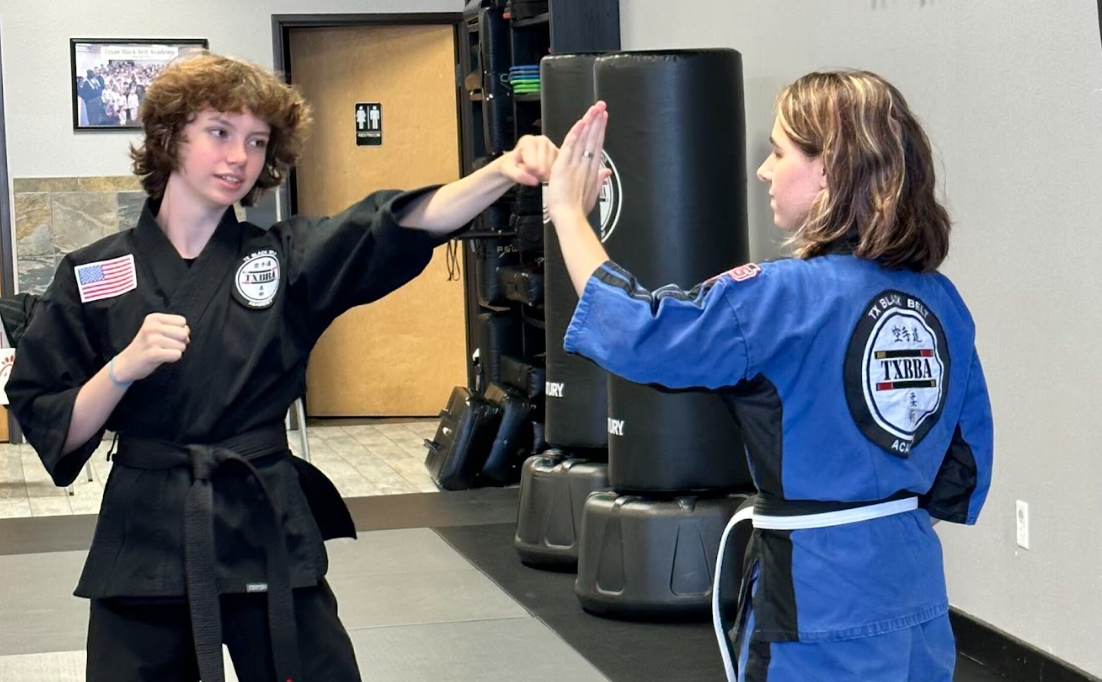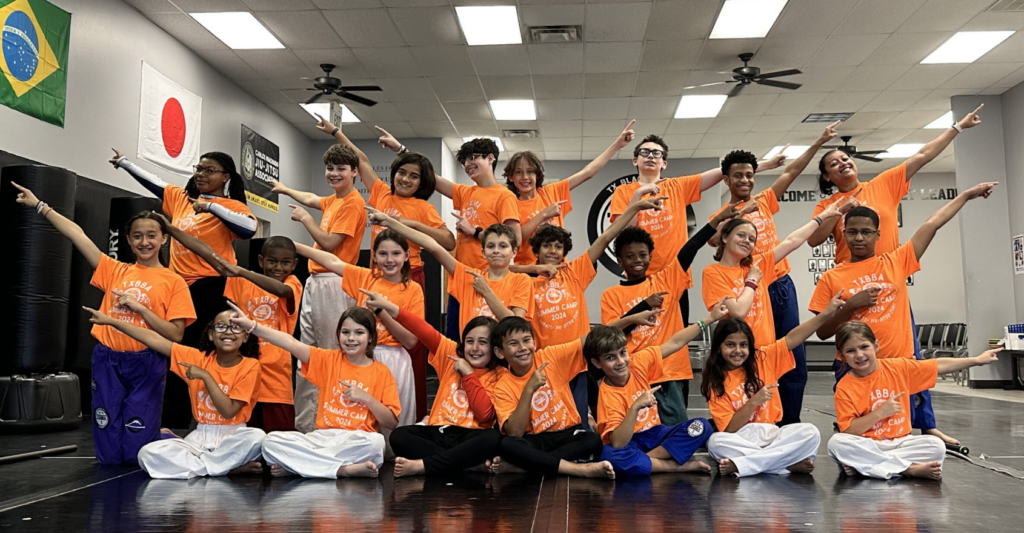
Martial arts is often seen as a way to learn self-defense or get fit, but it can also play a significant role in helping individuals manage ADHD and impulsiveness. For parents considering options for their children or adults looking for ways to improve focus and discipline, martial arts can offer structured programs that cater to various needs. Here, we will explore how martial arts can be particularly beneficial for those dealing with ADHD.
Understanding the Challenges of ADHD
Attention-deficit/hyperactivity disorder (ADHD) can present various challenges in daily life, impacting focus, behavior, and overall well-being. Individuals with ADHD may struggle with:
- Maintaining attention in tasks or conversations
- Controlling impulsive behaviors, which can lead to accidents or social challenges
- Managing time effectively, often resulting in procrastination
- Experiencing heightened anxiety or feelings of overwhelm
- Struggling with social interactions and peer relationships
These challenges can stem from a combination of neurobiological factors and environmental influences. Finding effective strategies to cope can be crucial for personal growth and development. This is where martial arts can provide a substantial benefit.
How Martial Arts Can Help
Participating in martial arts can offer structured programs that address many of the challenges associated with ADHD. Here are seven ways martial arts can help manage symptoms:
- Enhanced Focus: Martial arts training requires concentration and attention to detail. Practicing forms and techniques helps individuals hone their focus, which can translate into improved attention in other areas of life.
- Discipline and Structure: The structured environment of martial arts classes instills discipline, helping individuals learn the importance of following rules and routines. This can be particularly beneficial for those who struggle with impulsivity.
- Physical Activity: Regular physical activity is known to reduce symptoms of ADHD. Martial arts provides an engaging way to exercise, which can help manage energy levels and improve mood.
- Self-Control: Through martial arts, students learn to control their bodies and emotions. Techniques such as breathing exercises and meditation can promote calmness and self-regulation.
- Social Skills: Training in a group setting fosters social interaction. This environment allows individuals to practice communication and teamwork, enhancing their ability to connect with peers.
- Confidence Building: Achieving goals in martial arts, whether it’s earning a new belt or mastering a technique, boosts self-esteem. Increased confidence can lead to reduced anxiety and improved social interactions.
- Goal-Oriented Mindset: Martial arts teaches the importance of setting and achieving goals, helping individuals understand the value of patience and perseverance, both of which are essential for managing ADHD.
Strategies for Getting Started
If you or someone you know is considering martial arts as a way to manage ADHD, here are some strategies to get started:
- Research Local Schools: Look for schools that offer a variety of programs, such as Kids Karate, Adult Karate, or Brazilian Jiu Jitsu. A school with experience in working with individuals who have ADHD can be particularly beneficial.
- Visit Classes: Many schools offer trial classes. Observing or participating in a class can provide insight into the school’s environment and teaching style.
- Communicate with Instructors: Don’t hesitate to discuss specific needs with potential instructors. A good instructor will be open to addressing concerns and adapting techniques to suit individual students.
- Start with Beginner Classes: Many people start by trying a beginner-friendly class, which allows for gradual introduction to martial arts principles without overwhelming the student.
- Set Goals Together: Work with the instructor to set achievable goals for the student. This can help maintain motivation and ensure that progress is monitored.
Common Mistakes to Avoid
When considering martial arts for ADHD, it’s important to avoid common pitfalls:
- Choosing a program without understanding its structure and teaching methods.
- Overlooking the importance of instructor experience with ADHD.
- Expecting immediate results without recognizing that progress takes time.
- Neglecting the need for consistent attendance and practice.
- Ignoring the importance of open communication with instructors about any challenges faced.
Do This vs Avoid That
Do This: Attend a trial class to understand the environment and teaching style.
Avoid That: Committing to a long-term program without first gauging fit and comfort level.
Optimization Checklist
- Research schools with strong reputations in martial arts training.
- Inquire about programs specifically designed for those with ADHD.
- Observe classes to see how instructors engage with students.
- Communicate openly about any specific needs or concerns.
- Ensure that the training environment is supportive and encouraging.
Long-Term Growth Through Martial Arts
Martial arts is not just about physical prowess; it’s also about personal growth. The skills learned through training can lead to long-term benefits that extend beyond the dojo. With consistent practice, individuals can develop better focus, improved self-regulation, and enhanced interpersonal skills. This is why many students and parents choose structured programs like this to ensure they are on the right path to personal development.
Many families find that training in the right environment makes a lasting difference in their lives. The values instilled through martial arts—respect, perseverance, and self-discipline—can positively shape interactions in various aspects of life, from school to home and beyond.
In conclusion, martial arts offers a multifaceted approach to managing ADHD and impulsiveness. Whether through the development of focus, discipline, or social skills, the structured nature of martial arts can provide a supportive pathway for individuals seeking to improve their lives. The best way to know is to experience a class for yourself. Don’t hesitate to take that first step on the journey toward personal growth.