In a world where personal safety is a growing concern, many women are turning to self-defense training as a means of empowerment and protection. Whether it’s to build confidence, learn practical skills, or simply to feel more secure in daily life, self-defense programs can offer a structured and supportive environment. Understanding the fundamentals of women’s self-defense can be the first step toward personal growth and safety.
Understanding the Need for Self-Defense
Many individuals, especially women, face various challenges regarding personal safety. The reasons for considering self-defense training include:
- Feeling vulnerable or unsafe in certain environments.
- Desiring to build self-confidence and assertiveness.
- Experiencing or fearing bullying or harassment.
- Aiming to improve physical fitness and health.
- Seeking practical self-defense skills for real-life scenarios.
These concerns are valid and highlight the importance of being prepared and educated. The root cause of many safety issues often stems from a lack of awareness and preparedness. By investing time in self-defense training, individuals can gain the tools and knowledge necessary to navigate challenging situations effectively.
Strategies for Effective Self-Defense Training
When considering self-defense, it’s essential to select a program that fits your needs. Here are a few strategies to help you get started:
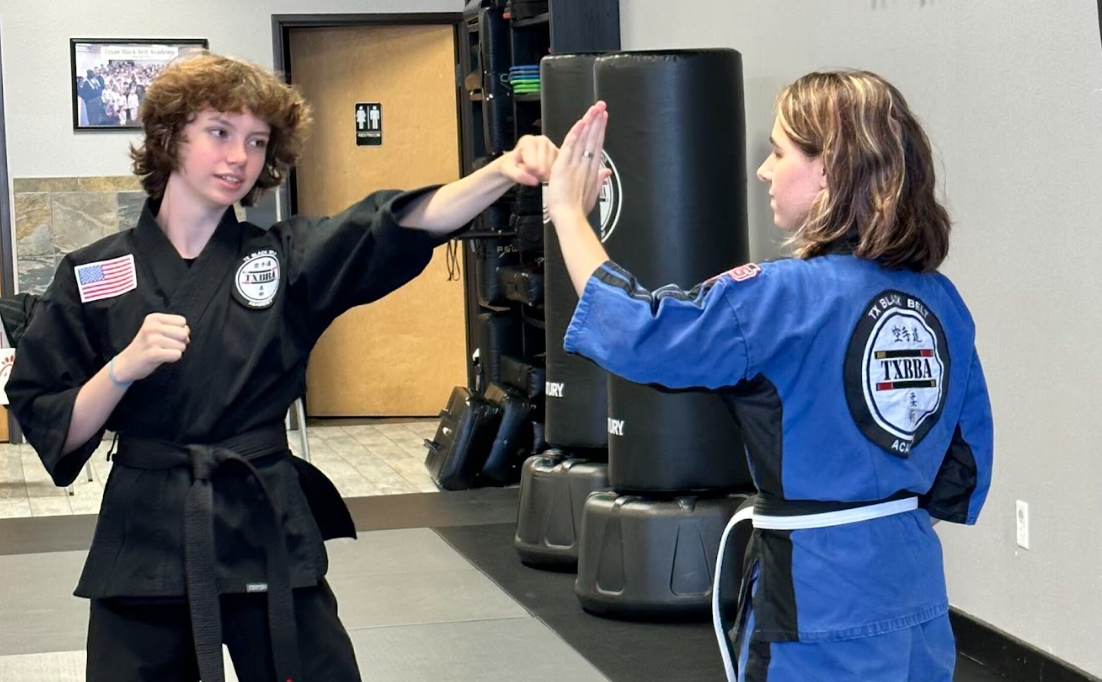
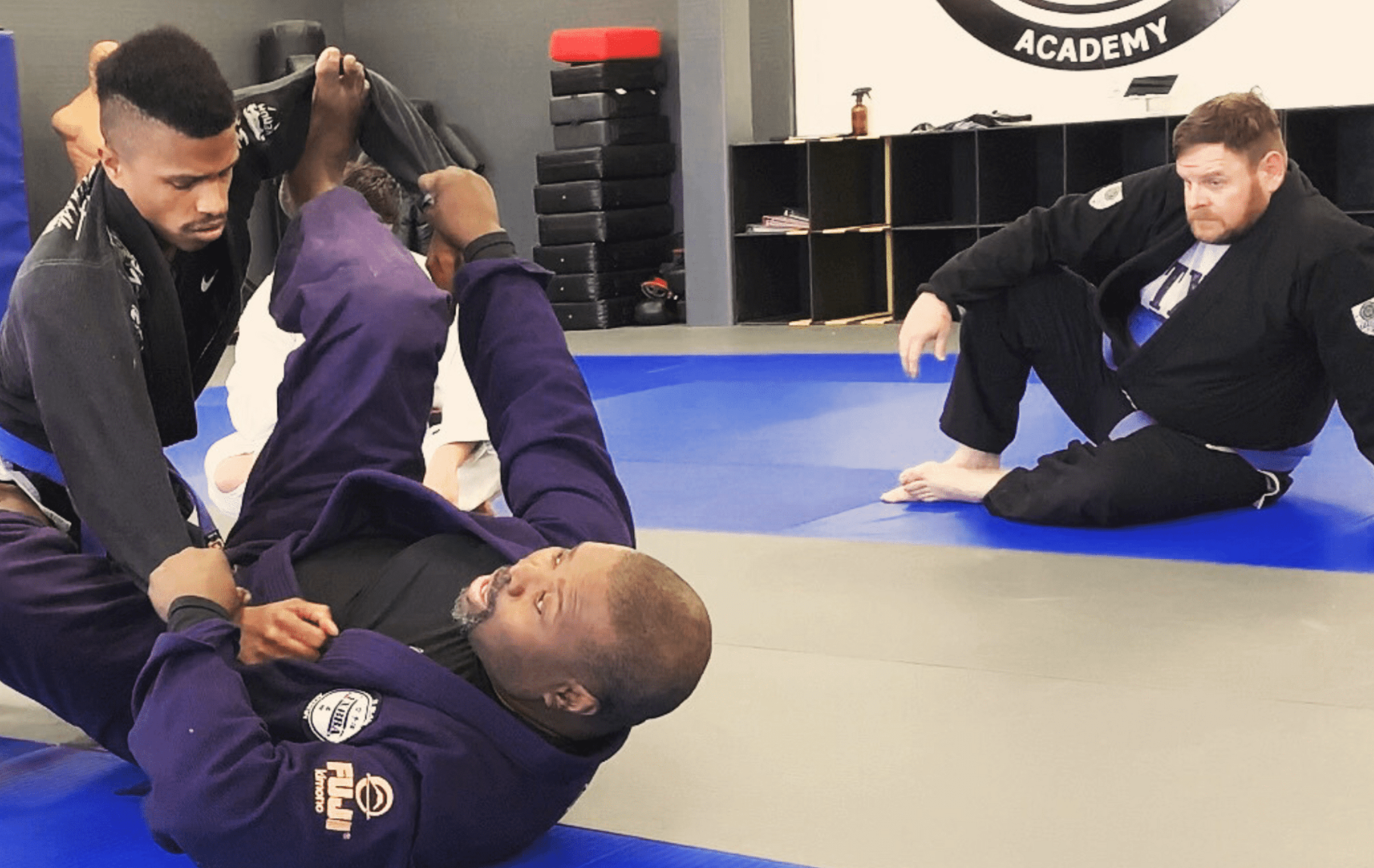
- Research Local Programs: Look for self-defense classes specifically geared toward women. Programs like Adult Karate or Brazilian Jiu Jitsu (BJJ) can be excellent choices for building both physical skills and confidence.
- Attend a Beginner Class: Many schools offer beginner-friendly classes designed to introduce the fundamentals in a safe environment. This is a great way to gauge your interest and comfort level.
- Focus on Awareness and Prevention: Self-defense is not just about physical techniques. Understanding situational awareness and how to avoid potential threats is crucial.
- Practice Regularly: Consistency is key in developing skills. Regular practice enhances muscle memory, making it easier to react in real situations.
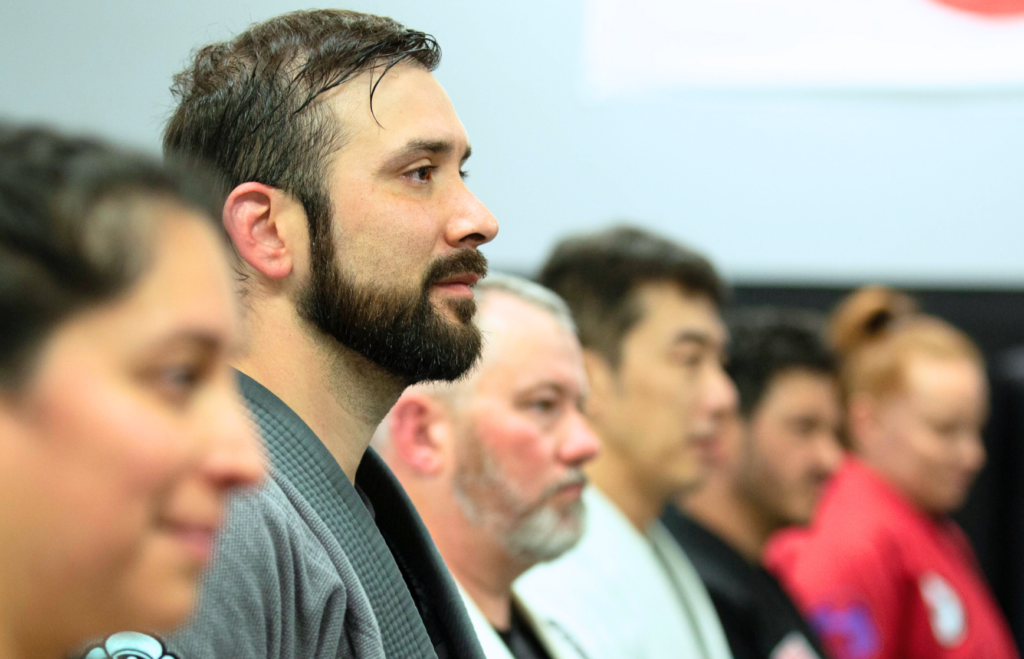
- Engage with the Community: Many self-defense programs foster a supportive community. Engaging with fellow participants can enhance your experience and provide encouragement.
Common Mistakes to Avoid
As you embark on your self-defense journey, it’s important to be aware of common pitfalls:
- Skipping the basics: Always start with foundational techniques to build confidence before moving on to advanced skills.
- Neglecting mental preparation: Self-defense is as much about mindset as it is about physical skills. Work on mental resilience.
- Overlooking personal safety: Always prioritize safety when practicing techniques, ensuring you’re in a secure environment.
- Failing to ask questions: Don’t hesitate to seek clarification from instructors. Understanding the “why” behind techniques can enhance your learning.
- Being inconsistent: Regular practice is crucial. Make self-defense training a consistent part of your routine.
Do This vs Avoid That
Do This: Engage in regular training sessions to build confidence and skills.
Avoid That: Don’t limit yourself to only physical techniques; focus on awareness and prevention as well.
Optimization Checklist for Self-Defense Training
- Research and select a program that fits your needs.
- Attend a trial class to assess your comfort level.
- Practice techniques regularly to build muscle memory.
- Engage with fellow students for support and motivation.
- Continuously educate yourself on personal safety and awareness.
Long-Term Growth Through Self-Defense
Investing in self-defense training can lead to long-term personal growth. As you develop skills, you will likely notice an increase in self-confidence, improved physical fitness, and a greater sense of empowerment. Programs like Kids Karate and Adult Karate not only teach self-defense techniques but also instill valuable life skills such as discipline, focus, and resilience.
Many families find that training in the right environment makes a lasting difference. A well-structured martial arts program can provide the consistency and guidance most people are looking for. This is why many students and parents choose structured programs like these, as they foster a positive atmosphere for learning and personal development.
If you’re considering self-defense training, the best way to know if it’s right for you is to experience a class firsthand. Many schools offer introductory courses, allowing you to explore different styles and techniques in a supportive environment.
In conclusion, women’s self-defense training is not just about learning how to defend oneself but also about building confidence, fitness, and a sense of community. By choosing a structured program that focuses on both physical and mental preparedness, you can empower yourself and enhance your personal safety. So why wait? Take the first step today and discover the benefits of self-defense training.