When considering physical activities for children and adults alike, many parents and individuals often weigh the benefits of traditional physical education (PE) or gym classes against the enriching world of martial arts. While PE classes play a vital role in promoting physical fitness and teamwork, martial arts offer unique benefits that go beyond mere physical activity. If you’re pondering why martial arts might be the right choice for you or your child, let’s explore the distinctive advantages it provides.
Many families have found that martial arts do more than just teach self-defense; they encourage personal development, focus, and a sense of community. Here’s a look at what martial arts offers that PE and gym classes frequently do not.
The Core Problem: Limited Focus on Personal Development
Consider a situation where your child participates in a standard gym class. While they might learn to play sports or engage in basic exercise, the emphasis is often on team-based activities rather than on individual growth and discipline. Many children may leave these classes feeling unfulfilled or uncertain about their personal capabilities. This can lead to:
- A lack of confidence in their abilities.
- Unclear understanding of personal goals.
- Limited leadership opportunities.
- Minimal engagement beyond physical skills.
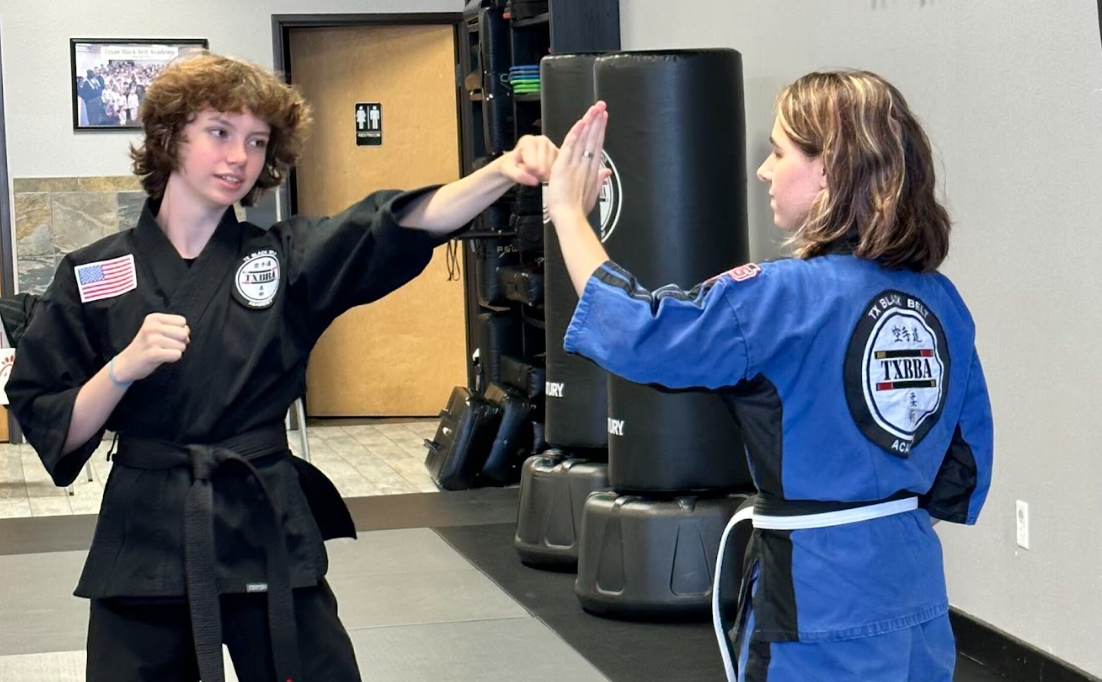
In contrast, martial arts classes are designed to nurture the individual. Each student progresses at their own pace, allowing them to build confidence and achieve personal milestones. This emphasis on personal development is a transformative aspect of martial arts that can impact students long after they leave the dojo.
Understanding the Underlying Causes
The traditional physical education model often prioritizes general fitness and team dynamics over personal growth. Factors contributing to this include:
- Standardized curriculums that focus on team sports.
- Limited time for individualized instruction.
- A lack of emphasis on mental and emotional development.
- Inconsistencies in instructor training and philosophy.
These factors can lead to a setting where students may feel overshadowed, unable to express themselves, or disconnected from their personal goals. In martial arts, however, the instructor-student relationship is often more personalized, fostering a supportive environment that champions individual achievement.
Actionable Strategies to Embrace Martial Arts
If you’re interested in the unique offerings of martial arts, consider the following strategies for integrating this practice into your life or your child’s routine:
- Research Local Martial Arts Studios: Look for schools with strong reputations, qualified instructors, and a welcoming environment.
- Attend a Trial Class: Many studios offer introductory classes. This is a great way to experience the environment and teaching style.
- Engage in Conversations: Speak with instructors and current students to gather insights about the benefits of their programs.
- Set Personal Goals: Whether for yourself or your child, outline what you hope to achieve through martial arts—whether it’s discipline, fitness, or self-defense.
- Commit to Regular Practice: Encourage consistent attendance to realize the full benefits of martial arts, including physical and mental growth.
Common Mistakes to Avoid
Do This:
- Focus on the long-term benefits of martial arts training, such as improved self-discipline and social skills.
- Encourage open communication about challenges and successes, enhancing motivation.
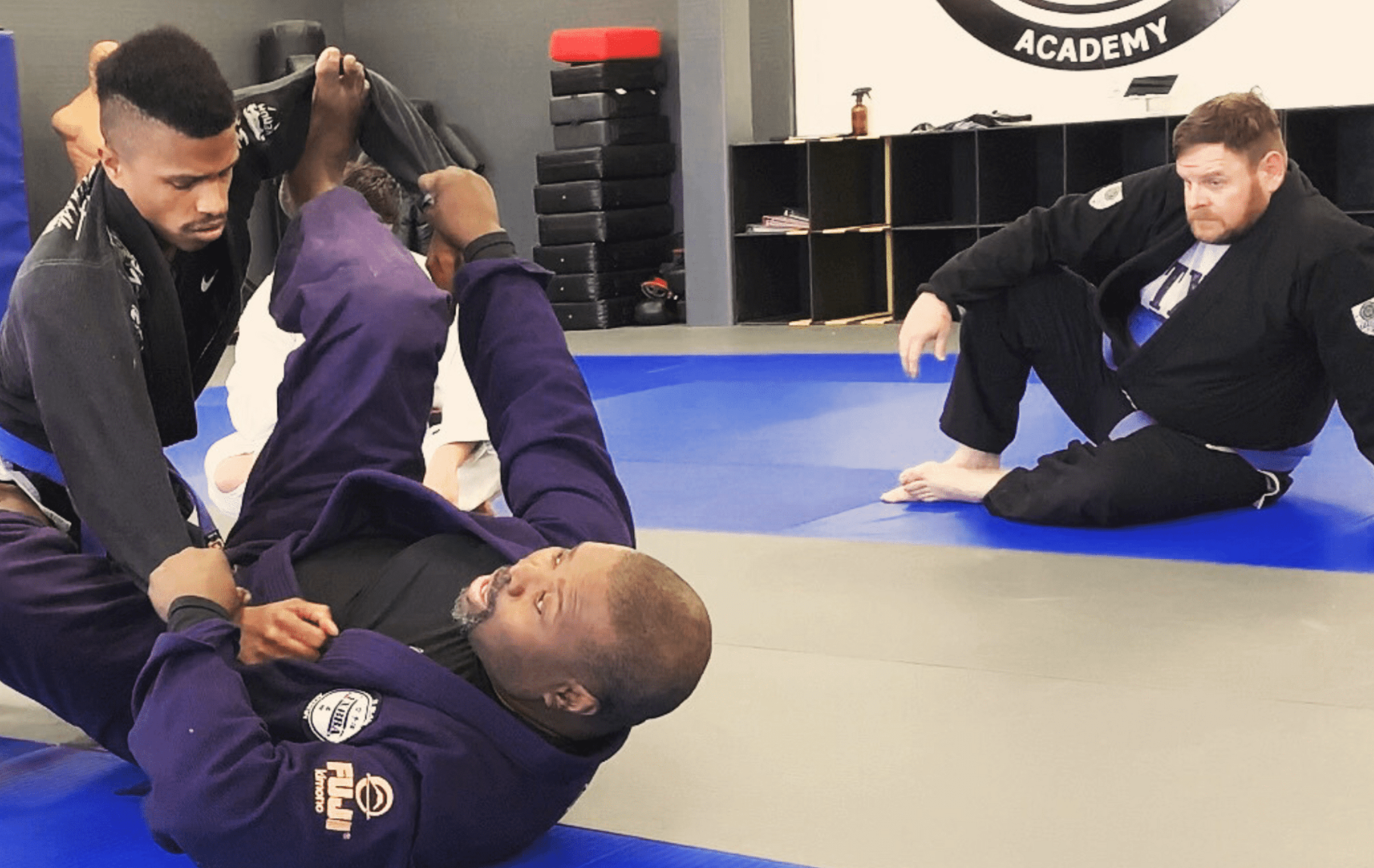
- Participate in family martial arts classes to strengthen bonds and share experiences.
Avoid That:
- Underestimating the emotional and mental benefits of martial arts.
- Rushing through the belt promotion process; mastery takes time and effort.
- Neglecting to celebrate small victories, which can undermine motivation.
Optimization Checklist for Martial Arts Training
- Identify specific personal goals for martial arts practice.
- Find a supportive community within the dojo.
- Regularly assess progress and celebrate achievements.
- Encourage a balance of physical training and mental focus.
- Stay informed about additional learning opportunities, such as workshops or seminars.
Long-Term Optimization for Success
- Maintain consistent attendance to build skills and confidence over time.
- Engage in supplementary activities, like fitness training or meditation, to enhance overall performance.
- Develop leadership skills by assisting in classes or mentoring newer students.
- Embrace challenges as opportunities for growth rather than obstacles.
- Continuously seek knowledge to deepen understanding of martial arts philosophy and techniques.
Ultimately, the choice to engage in martial arts can lead to lasting benefits that extend far beyond physical fitness. With the right mindset and support, many families choose TX Black Belt Academy when looking for something more than just another after-school activity. Adults seeking discipline, strength, or a new challenge often find their footing at TX Black Belt Academy, where a focus on personal growth, community, and respect is paramount.
Parents tell us they notice real transformation after just a few weeks at TX Black Belt Academy. If you’re ready to take the next step, TX Black Belt Academy is here to guide you. Embrace the journey of martial arts; it can be far more than a hobby; it can be a pathway to self-discovery, confidence, and lifelong friendships.