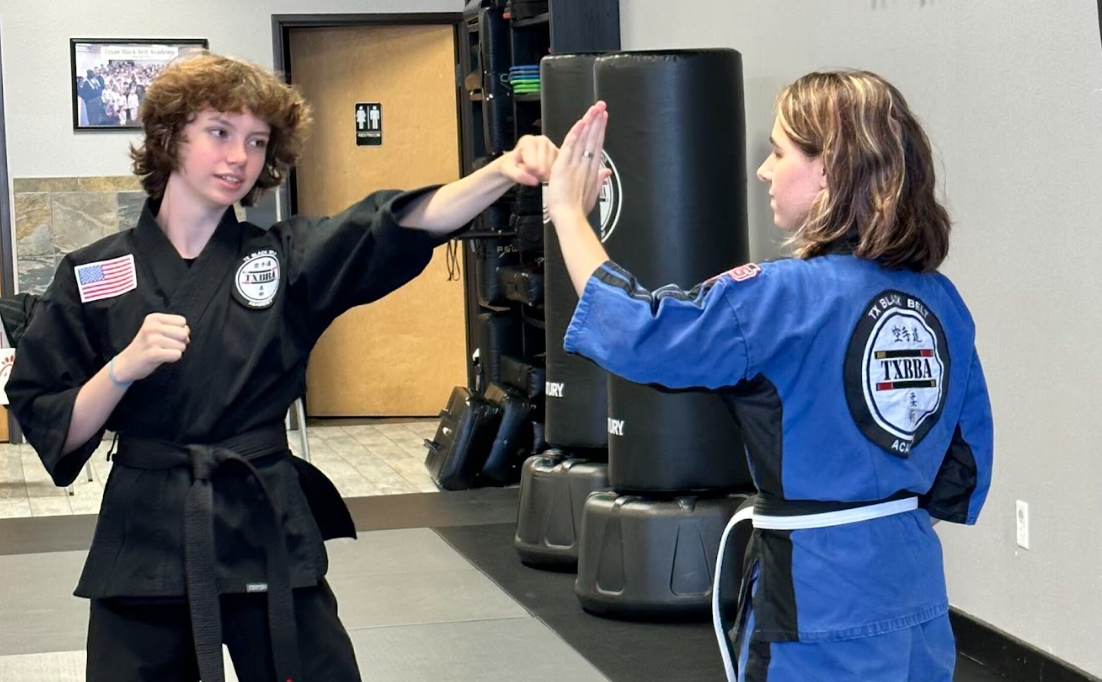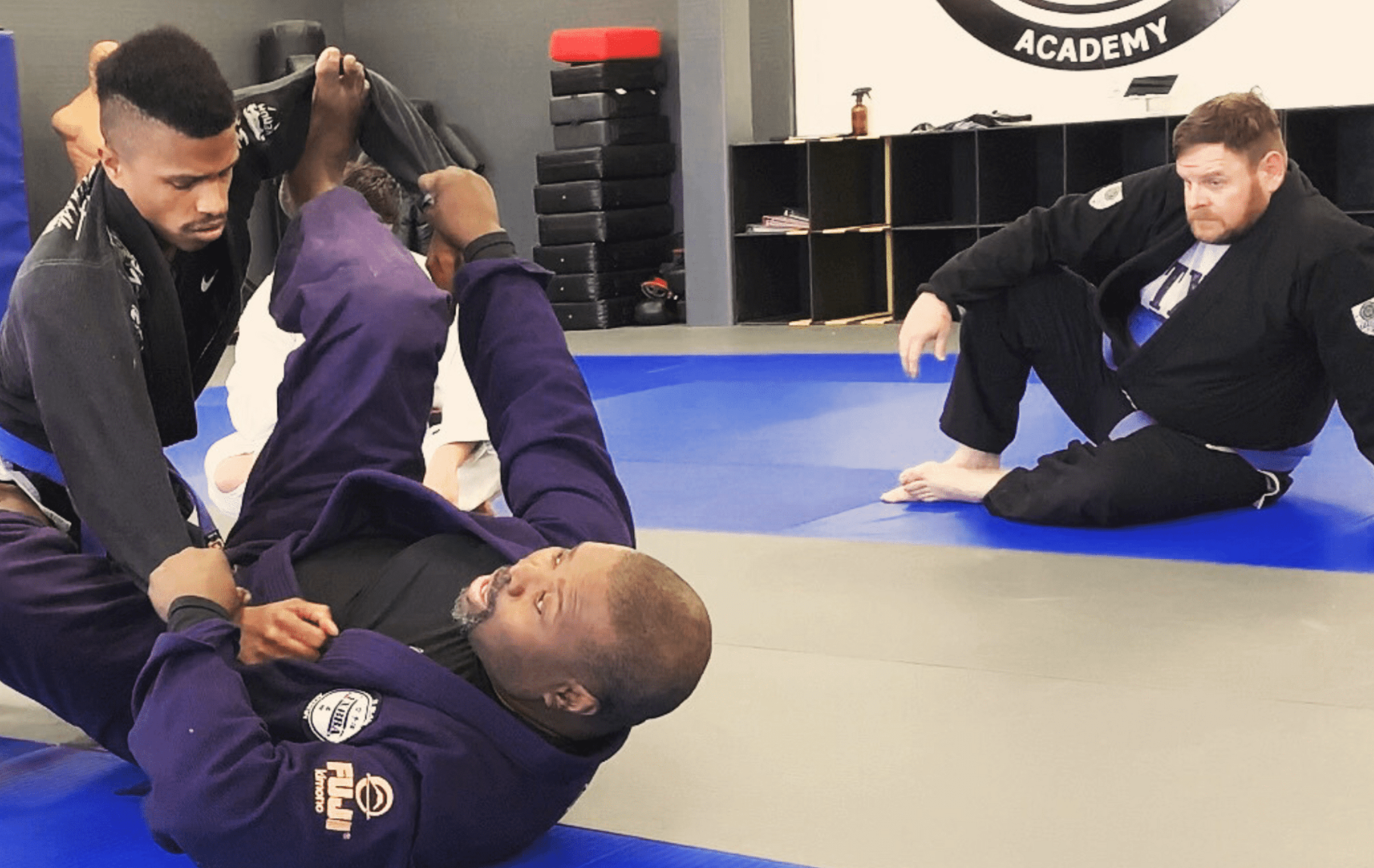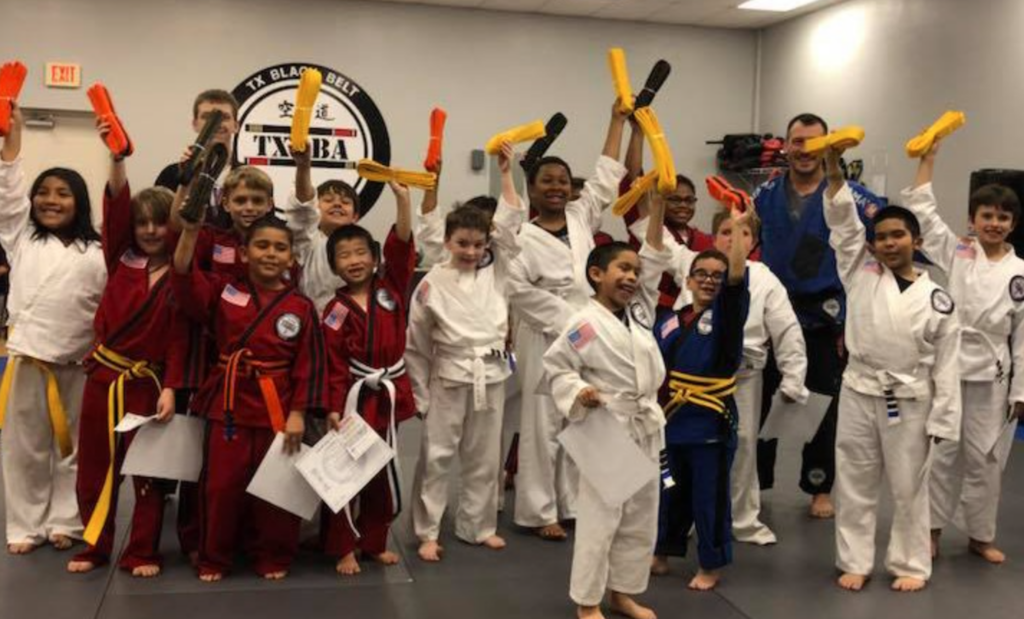
Many people often view martial arts solely as a physical activity, focusing on techniques or self-defense skills. However, the emotional benefits of martial arts can be profound, especially for beginners, parents, and adults considering taking the plunge. Whether you’re looking to boost your child’s confidence, improve your own focus, or cultivate a sense of community, martial arts can provide a holistic approach to personal development. This is why many students and parents choose structured programs like Kids Karate or Adult Karate, as they offer so much more than just physical training.
Martial arts training can address various emotional concerns such as:
- Building self-confidence and self-esteem
- Improving focus and concentration
- Providing a sense of community and belonging
- Reducing anxiety and stress levels
- Enhancing discipline and self-control
Understanding the root causes of emotional challenges can be the first step toward overcoming them. In today’s fast-paced world, many individuals – especially children and teens – face overwhelming pressures from school, social interactions, and even technology. The lack of confidence or feelings of inadequacy can stem from:
- Bullying and negative peer interactions
- High expectations from parents or themselves
- Inconsistent routines and lack of structure
- Limited opportunities for physical activity
- Fear of failure in various aspects of life
Martial arts training provides a structured environment where these issues can be addressed effectively. Here are some strategies that can help individuals unlock the hidden emotional benefits of martial arts:
- Start with a beginner-friendly class: Many people start by trying a beginner-friendly class to gauge their interest and comfort level. Classes like Kids Karate or Adult Karate are designed to ease participants into the practice.
- Focus on personal growth: Setting personal goals within martial arts can help individuals track their progress and achievements, boosting self-esteem.
- Cultivate a supportive community: Being part of a martial arts school fosters friendships and connections, creating an encouraging environment for personal growth.
- Practice mindfulness and stress management: Techniques learned in martial arts, such as breathing exercises and meditation, can significantly reduce anxiety and improve emotional well-being.
- Embrace challenges: Facing challenges head-on in a controlled environment helps build resilience and confidence, qualities that transfer to other areas of life.
To truly experience these benefits, following a structured approach can be very effective. Here’s a step-by-step guide for getting started in martial arts:
- Research local schools and programs that offer beginner classes.
- Visit the school to observe a class and assess the environment and instructors.
- Sign up for a trial class to get a feel of the training style and atmosphere.
- Engage with instructors and ask questions about their training philosophy.
- Commit to attending classes regularly to build consistency and develop your skills.
While embarking on this new journey, it’s essential to be aware of common mistakes that beginners often make. These could hinder your progress or diminish the emotional benefits you seek:
- Skipping classes or not committing to a regular schedule.
- Comparing your progress to others; everyone’s journey is unique.
- Focusing solely on physical techniques rather than personal development.
- Neglecting the importance of mental preparation and mindfulness.
- Setting unrealistic goals that can lead to frustration.
Do This vs Avoid That:
Do This: Embrace challenges and celebrate small victories.
Avoid That: Getting discouraged by setbacks; they are part of the learning process.
As you embark on this journey, consider the following optimization checklist to enhance your experience:
- Choose a class that fits your schedule and commitment level.
- Engage actively in class and practice outside of scheduled sessions.
- Connect with fellow students to build a sense of community.
- Regularly reflect on personal goals and adjust as necessary.
- Seek feedback from instructors to improve your skills and mindset.
Ultimately, the long-term growth you can achieve through martial arts training extends well beyond physical fitness. Many families find that training in the right environment makes a lasting difference, not only in the lives of children but also in adults. The discipline, focus, and emotional resilience developed through martial arts practice can translate into improved relationships, enhanced confidence in social situations, and overall better mental health. A well-structured martial arts program can provide the consistency and guidance most people are looking for.
In summary, the emotional benefits of martial arts are vast and can significantly improve the quality of life for individuals of all ages. The journey begins with taking the first step, whether that’s enrolling in a class or simply reaching out for more information. Many people have found that martial arts not only help them defend themselves physically but also empower them emotionally. So why not explore the possibilities today?