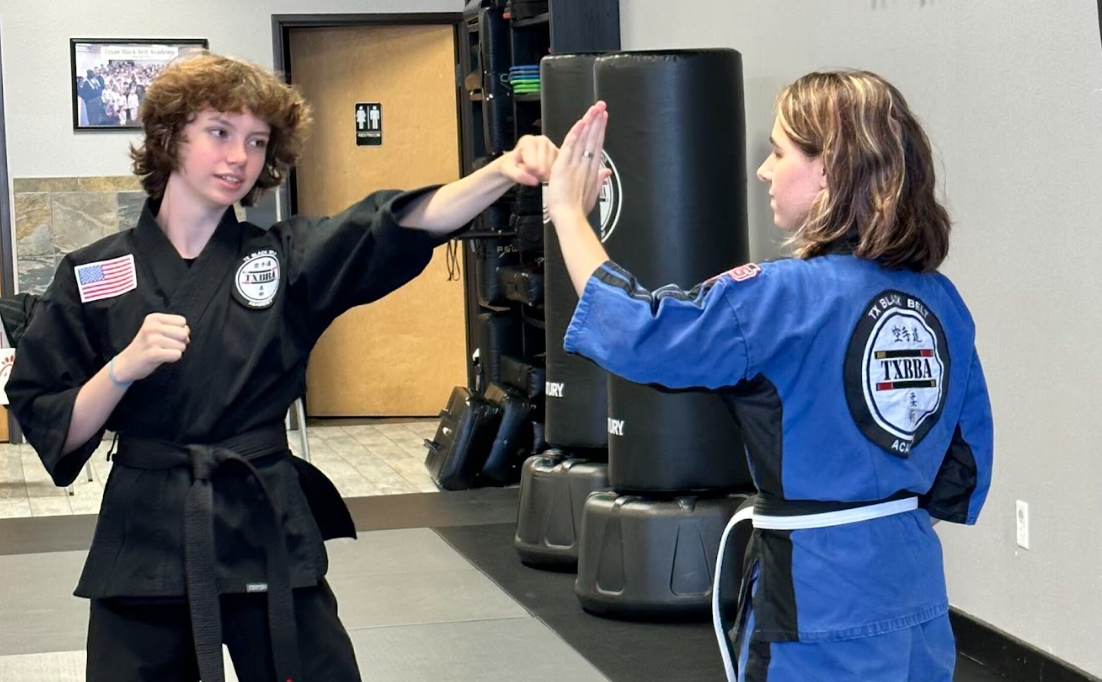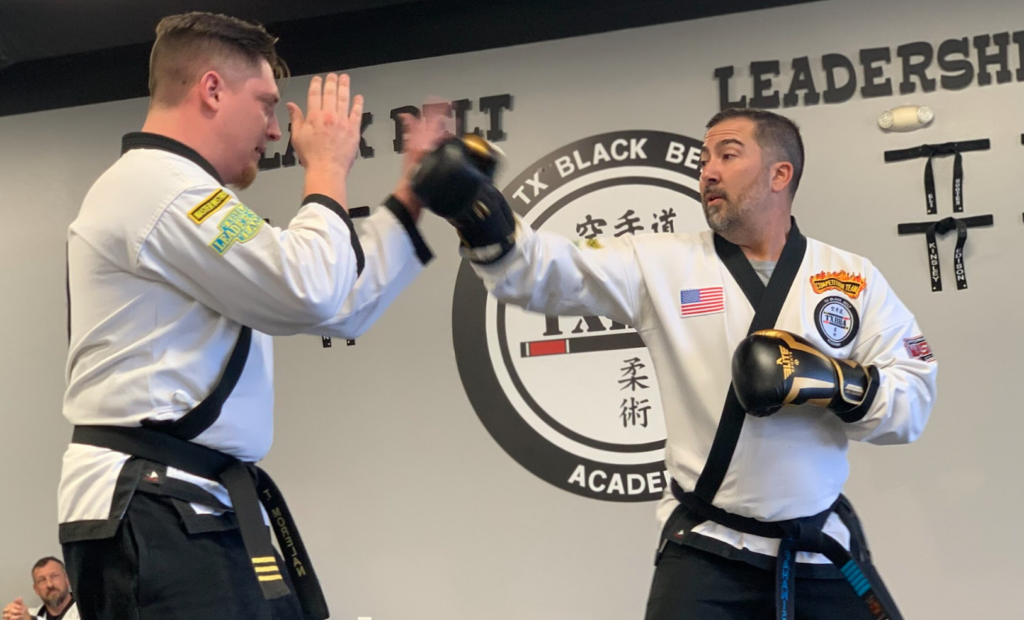
In the world of martial arts, the pursuit of victory is often celebrated, but losing is a vital part of the journey that can lead to profound personal growth. Many beginners, whether they are parents looking for activities for their children or adults seeking a new hobby, may fear failure. The truth is, embracing the lessons that come from losing can be one of the best things that happen in your martial arts journey. Let’s explore why this mindset is essential and how it can transform your experience.
The Importance of Loss in Learning
Martial arts training is not solely about physical prowess; it’s also a mental and emotional journey. Losing can be an uncomfortable experience, but it opens the door to valuable lessons that success often cannot teach. Here are some reasons why losing can be beneficial:
- It fosters resilience and determination.
- It encourages self-reflection and personal growth.
- It helps identify areas for improvement.
- It builds character and sportsmanship.
- It enhances your understanding of strategy and technique.
Understanding the Root of the Fear of Losing
Many people hesitate to try martial arts due to the fear of losing or not performing well. This fear can stem from various sources:
- Past negative experiences in competitive environments.
- Concerns about judgment from peers or instructors.
- Societal pressure to succeed.
- Misconceptions that martial arts is only for the highly skilled.
Recognizing that losing is part of the learning process is crucial. Many martial arts schools emphasize a supportive community where everyone is encouraged to grow, regardless of their starting point. This is why many students and parents choose structured programs like this—they prioritize personal development over mere competition.
Strategies for Embracing Loss in Martial Arts
To turn the experience of losing into a positive force in your martial arts journey, consider these strategies:
- Adopt a Growth Mindset: Focus on the process of learning rather than the outcome of winning or losing. This shift in perspective helps you appreciate every experience.
- Analyze Your Performance: After a loss, take time to reflect on what went well and what didn’t. This self-analysis is key to improving your skills.
- Seek Feedback: Don’t hesitate to ask your instructor or peers for constructive criticism. This feedback can provide insights that you might overlook.
- Set Personal Goals: Instead of aiming solely for victory, set personal milestones that are achievable. This could be improving a specific technique or increasing your stamina.
- Celebrate Small Wins: Acknowledge the progress you make along the way, no matter how small. This helps maintain motivation and a positive outlook.
Step-by-Step Guide to Learning from Loss
Experiencing a loss can be disheartening, but following this simple guide can help you turn it into a learning opportunity:
- Take a Break: Allow yourself a moment to process the loss. It’s okay to feel disappointed.
- Reflect: Write down your thoughts about the experience. What did you learn? What could you do differently next time?
- Discuss: Talk to your instructor or training partners about your experience. They can provide valuable insights and support.
- Practice: Focus on specific areas that need improvement. This could be a technique, strategy, or even your mental approach.
- Re-engage: Get back on the mat and apply what you’ve learned. Practice with a fresh perspective and renewed determination.
Common Mistakes to Avoid
While it’s important to learn from losses, many individuals make common mistakes that hinder their growth:
- Dwelling on the loss instead of focusing on improvement.
- Comparing themselves to others instead of focusing on personal progress.
- Allowing fear of failure to prevent them from participating in classes or competitions.
- Ignoring the emotional aspect of losing, which can lead to burnout or discouragement.
Do This vs. Avoid That
Do This: Embrace the experience of losing as a stepping stone to personal growth.
Avoid That: Letting fear of failure stop you from trying new techniques or participating in classes.
Optimization Checklist for Martial Arts Success
- Set realistic, measurable goals for your training.
- Engage with your instructors and peers for support and feedback.
- Practice consistently to build confidence and skill.
- Reflect regularly on your progress and areas for improvement.
- Stay open to learning from every experience, whether winning or losing.
Long-Term Growth Through Martial Arts
Martial arts is a lifelong journey that offers continuous opportunities for growth. By accepting that losing is a natural part of this process, you set yourself up for long-term success. Many families find that training in the right environment makes a lasting difference in character development, confidence, and discipline. Programs like Kids Karate and Adult Karate are designed to ease beginners into the practice, ensuring that everyone feels supported along the way.
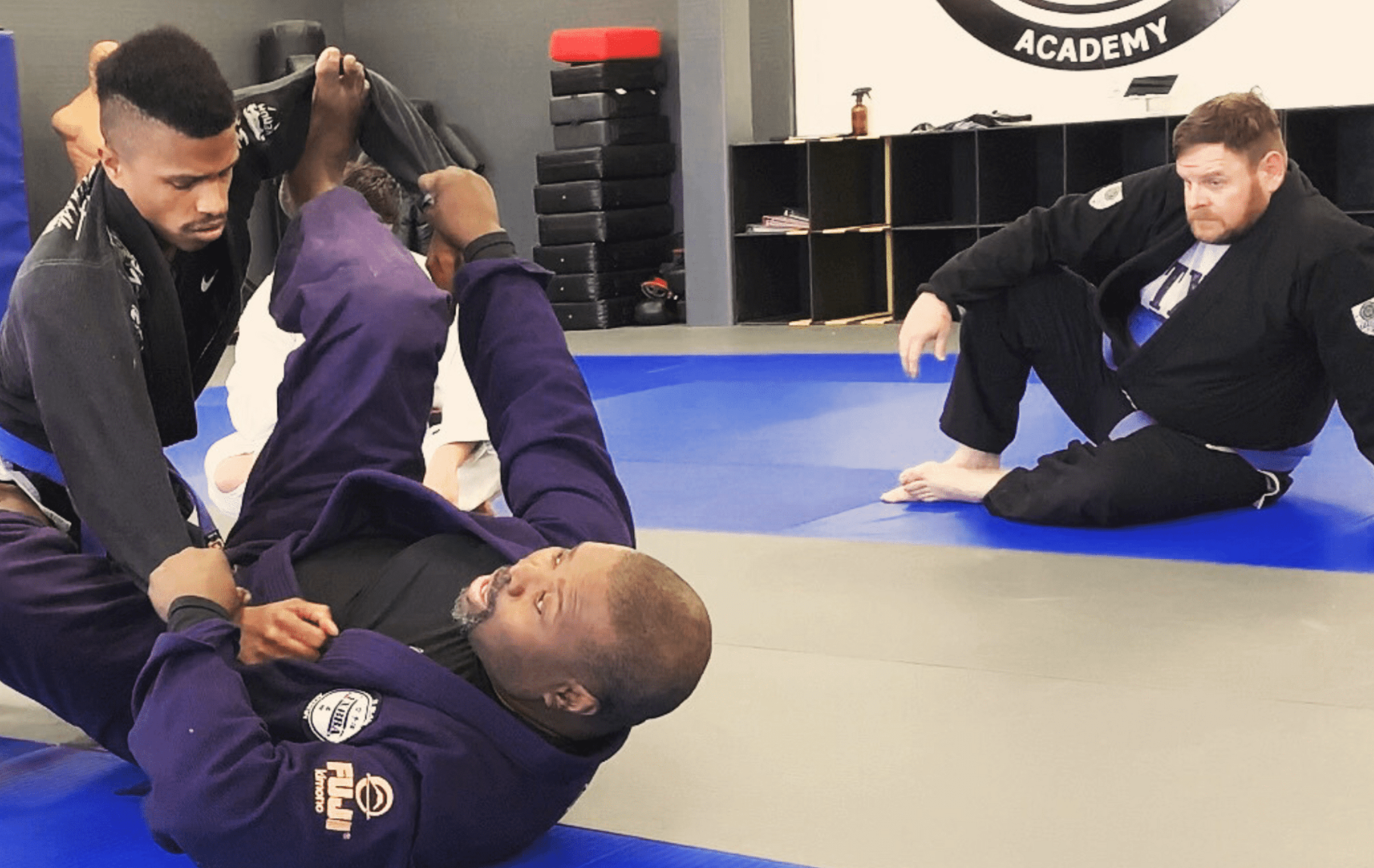
Furthermore, exploring disciplines like Brazilian Jiu Jitsu (BJJ) or Kickboxing can provide additional avenues for personal development. Each class offers a unique set of challenges and learning experiences that can help reinforce the idea that every setback can lead to greater strength and skill.
In summary, while the fear of losing can be daunting, it’s essential to recognize the growth that comes from these experiences. Embracing loss in martial arts can teach resilience, strategy, and self-awareness, setting the stage for both personal and martial arts mastery. The best way to know is to experience a class; you might just find that losing is one of the best things that can happen to you.