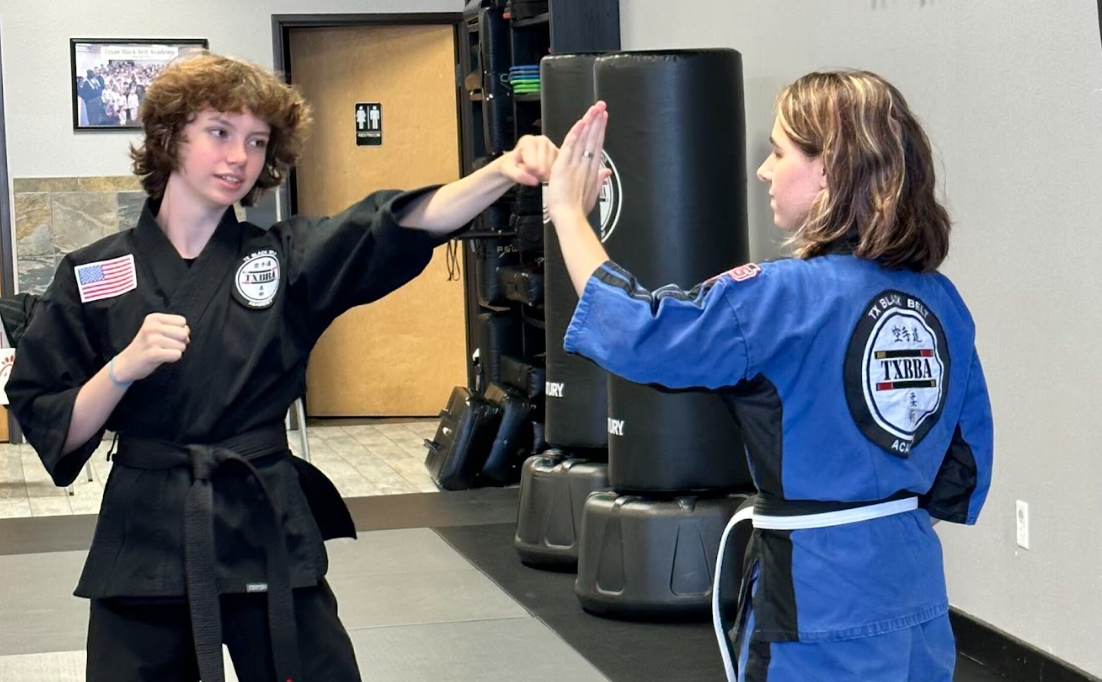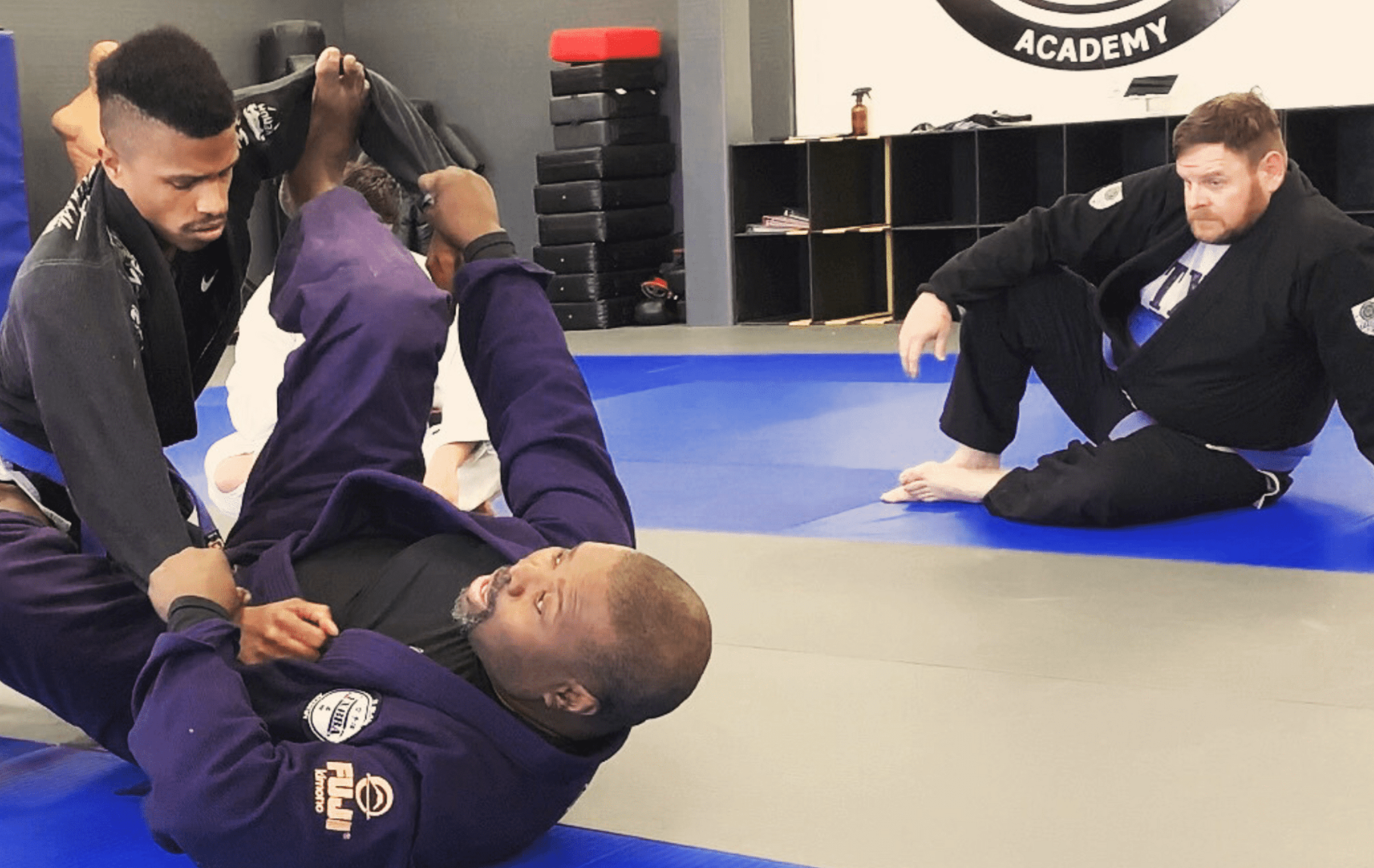
Choosing the right after-school activity for your child can be a challenging decision. Parents often look for programs that not only keep their children engaged but also contribute positively to their development. While there are numerous options available, martial arts stands out for several compelling reasons. Whether you’re considering Kids Karate or Brazilian Jiu Jitsu, the benefits of martial arts extend far beyond the dojo. Here, we explore seven reasons why martial arts is an exceptional choice compared to other after-school activities.
1. Confidence Building
Many children struggle with self-esteem, especially in social settings. Martial arts training encourages students to set and achieve personal goals, whether it’s mastering a new technique or earning a belt. This process fosters a sense of accomplishment, helping kids build their confidence levels. As they progress, they learn to believe in their capabilities, which can translate to other areas of life, such as school and friendships.
2. Discipline and Focus
Martial arts requires a level of discipline that many other activities do not. Students learn to respect their instructors, their peers, and themselves. The structured environment helps instill a sense of focus and attention to detail. This discipline often spills over into academic performance, as children learn the importance of commitment and hard work. Many families find that training in the right environment makes a lasting difference in their child’s ability to concentrate.
3. Physical Fitness
In a world where screen time often outweighs physical activity, martial arts offers an excellent way for kids to stay fit. Classes are designed to improve strength, flexibility, and endurance. Unlike traditional sports that may focus on competition, martial arts emphasizes skill development in a fun, engaging way. Programs like Kickboxing or MMA provide a full-body workout, ensuring that children are not only physically active but also learning essential self-defense skills.
4. Social Skills Development
Joining a martial arts class allows children to interact with peers in a positive setting. They learn to work together, support one another, and develop friendships based on shared goals and interests. This collaborative environment nurtures social skills that are vital for personal development. The camaraderie found in classes like Adult Karate or Kids Karate encourages students to communicate effectively and work as a team.
5. Safety and Self-Defense
One of the primary concerns for parents is their children’s safety. Martial arts equip students with the skills needed to defend themselves in potentially dangerous situations. This training not only teaches self-defense techniques but also emphasizes the importance of avoiding conflict and resolving issues peacefully. Knowing how to protect themselves can boost a child’s confidence, making them feel safer in various environments.
6. Personal Growth
Martial arts is not just about fighting; it’s also about personal development. Students learn valuable life skills such as perseverance, respect, and humility. They are taught to set personal goals and strive to achieve them, fostering a growth mindset. This approach prepares children for future challenges, both in and out of the dojo. A well-structured program can provide the consistency and guidance most people are looking for in their personal development journey.
7. Family Involvement
Many martial arts schools encourage family participation, making it a unique bonding experience. Parents can train alongside their children in classes designed for all ages. This shared experience not only strengthens family ties but also allows parents to understand the values instilled through training. Programs like Brazilian Jiu Jitsu and Kickboxing often offer family classes, promoting a healthy lifestyle for the whole family.
Common Concerns About Martial Arts
- Is my child too young to start?
- What if my child is shy or introverted?
- Are the classes safe?
- Will my child be bullied in class?
Many people start by trying a beginner-friendly class, which is often designed to ease newcomers into the practice. Programs like Kids Karate are specifically tailored for younger students, ensuring a supportive and safe environment.
Strategies for Choosing the Right Martial Arts Program
- Identify your child’s interests: Discuss what they are looking for in an activity.
- Visit local schools: Observe classes and meet instructors to gauge their teaching style.
- Consider class structure: Look for programs that emphasize personal growth and discipline.
- Ask about safety measures: Ensure the school has protocols in place to protect students.
- Trial classes: Many schools offer free introductory classes, providing a risk-free way to evaluate the program.
Do This vs Avoid That
Do This: Encourage your child to express their feelings about martial arts.
Avoid That: Pressuring them into a program they don’t want to join.
Optimization Checklist for Parents
- Research local martial arts schools and their offerings.
- Ask about the instructor’s qualifications and experience.
- Ensure the program is age-appropriate and beginner-friendly.
- Look for schools that promote a positive and inclusive environment.
- Check for reviews or testimonials from other parents and students.
Long-Term Growth Through Martial Arts
Investing in martial arts can yield long-term benefits for your child. As they progress through various levels, they’ll continue to build not only physical skills but also mental resilience. The lessons learned in martial arts extend beyond the classroom, equipping them with tools to navigate life’s challenges. This is why many students and parents choose structured programs like these to foster continuous growth and development.
In conclusion, martial arts offers a comprehensive package that addresses physical, emotional, and social development. The unique benefits of confidence building, discipline, fitness, and safety make it an appealing option for after-school activities. With structured programs available for both kids and adults, it’s a journey worth considering. The best way to know is to experience a class for yourself or your child. Why not start today?